Senior Editor: Alan Agbele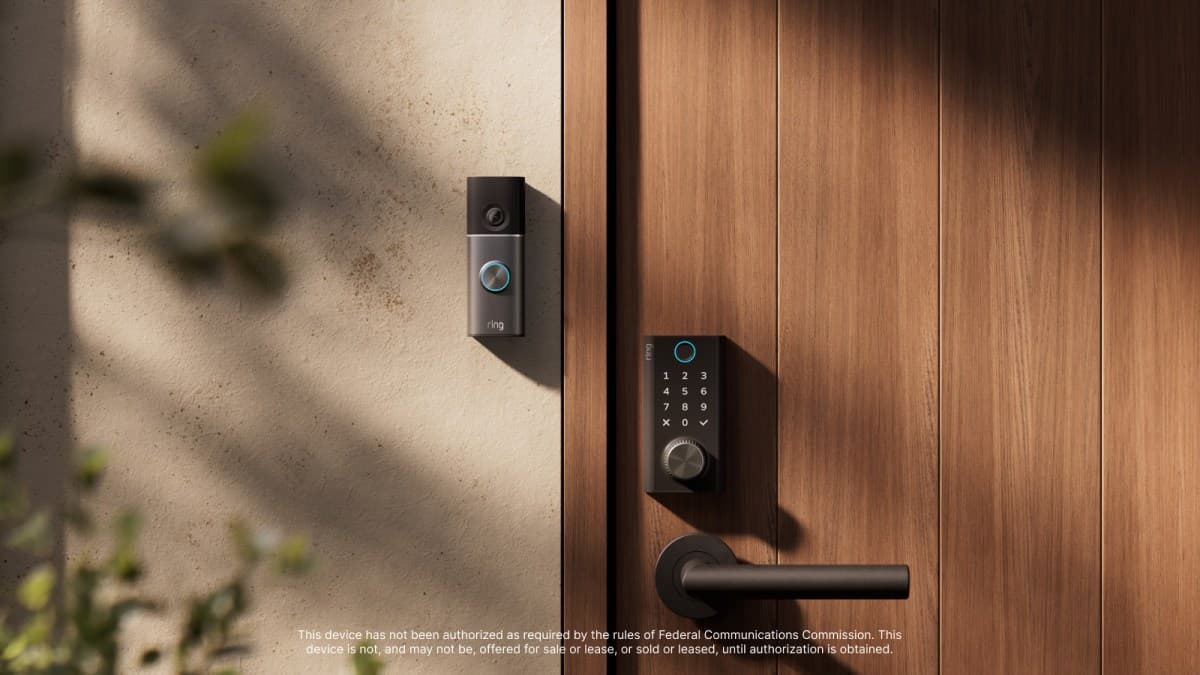
Ring, the Amazon-owned home security brand known for its video doorbells, is moving into the smart lock category with a model that includes an unusual backup: a hand crank that opens the deadbolt when the battery dies. The device, Ring's first smart lock, aims to solve one of the biggest frustrations with connected locks: being locked out when the power fails.
A Mechanical Solution to a Digital Problem
Most smart locks rely on a backup keyhole or a temporary external power source to handle battery outages. Ring’s design instead uses a built-in hand crank that, when turned, rotates the deadbolt directly. This eliminates the need for a physical key while providing a reliable, low-tech fallback. The lock also supports standard keyless entry via PIN codes and Bluetooth, but the crank is the standout feature.
Why This Matters
Ring’s entry into the smart lock market with a manual backup could shift consumer expectations for reliability. Traditional smart locks from August, Yale and Schlage often require a physical key or a jump pack when batteries fail. Ring’s hand crank offers a simpler, more accessible emergency option that may appeal to renters and homeowners who want fewer keys. For Amazon, this lock strengthens its home automation ecosystem, potentially drawing more users into Ring’s subscription plans for video storage and security monitoring. The long-term question, however, is whether the crank’s mechanical components will hold up under years of regular use in varied climates.
New Pressure on an Established Market
The smart lock segment has grown steadily, with major players competing on features like fingerprint sensors, geofencing and smart home compatibility. Ring’s addition of a manual crank introduces a novel selling point that directly addresses a common point of failure. Competitors may need to explore similar mechanical backups or risk losing customers who prioritize emergency access. Ring’s brand recognition and Amazon’s distribution network give it an immediate advantage, but the lock’s pricing and installation details will determine its market impact.