Editor: Porcia Akua Holmes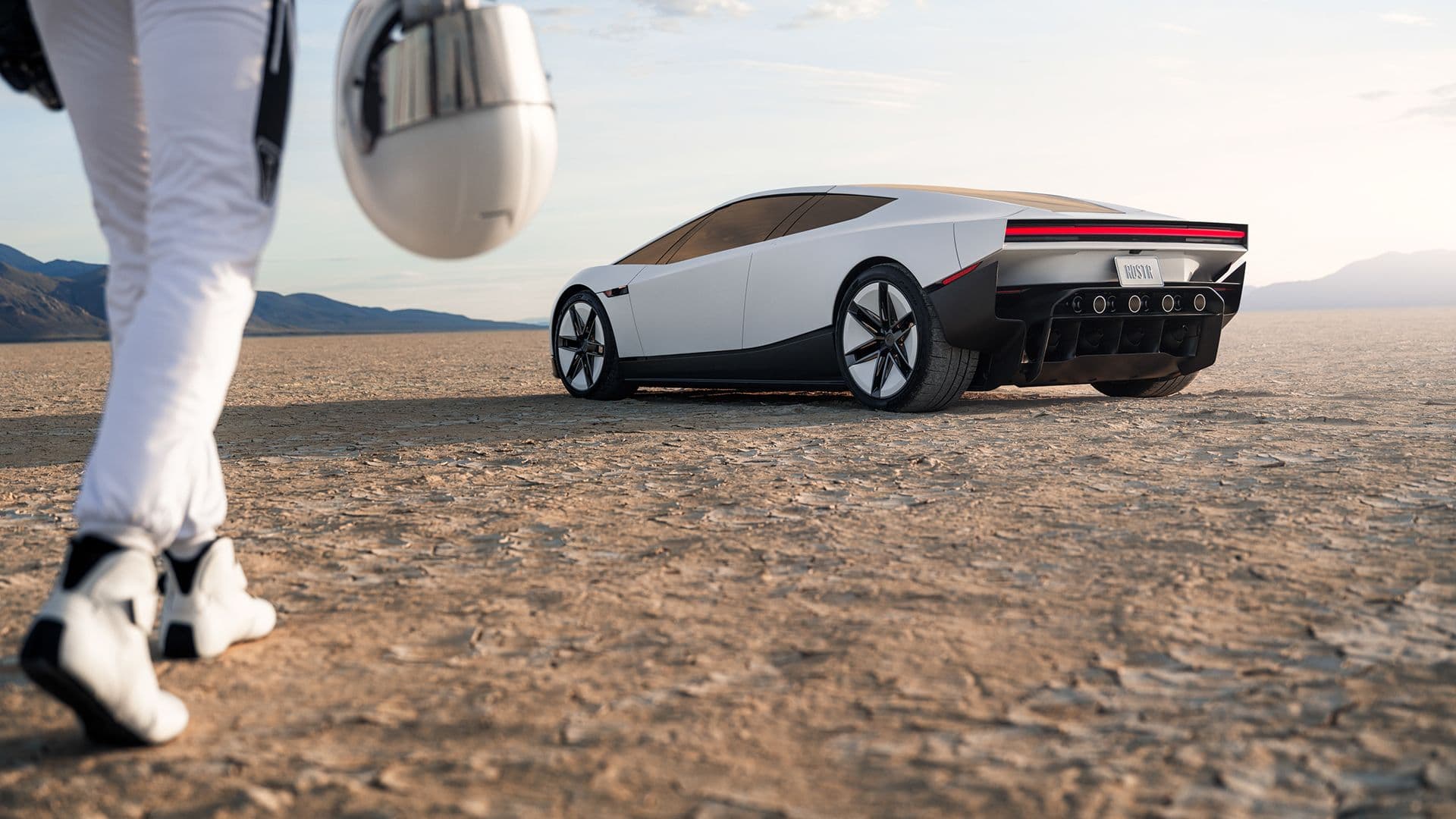
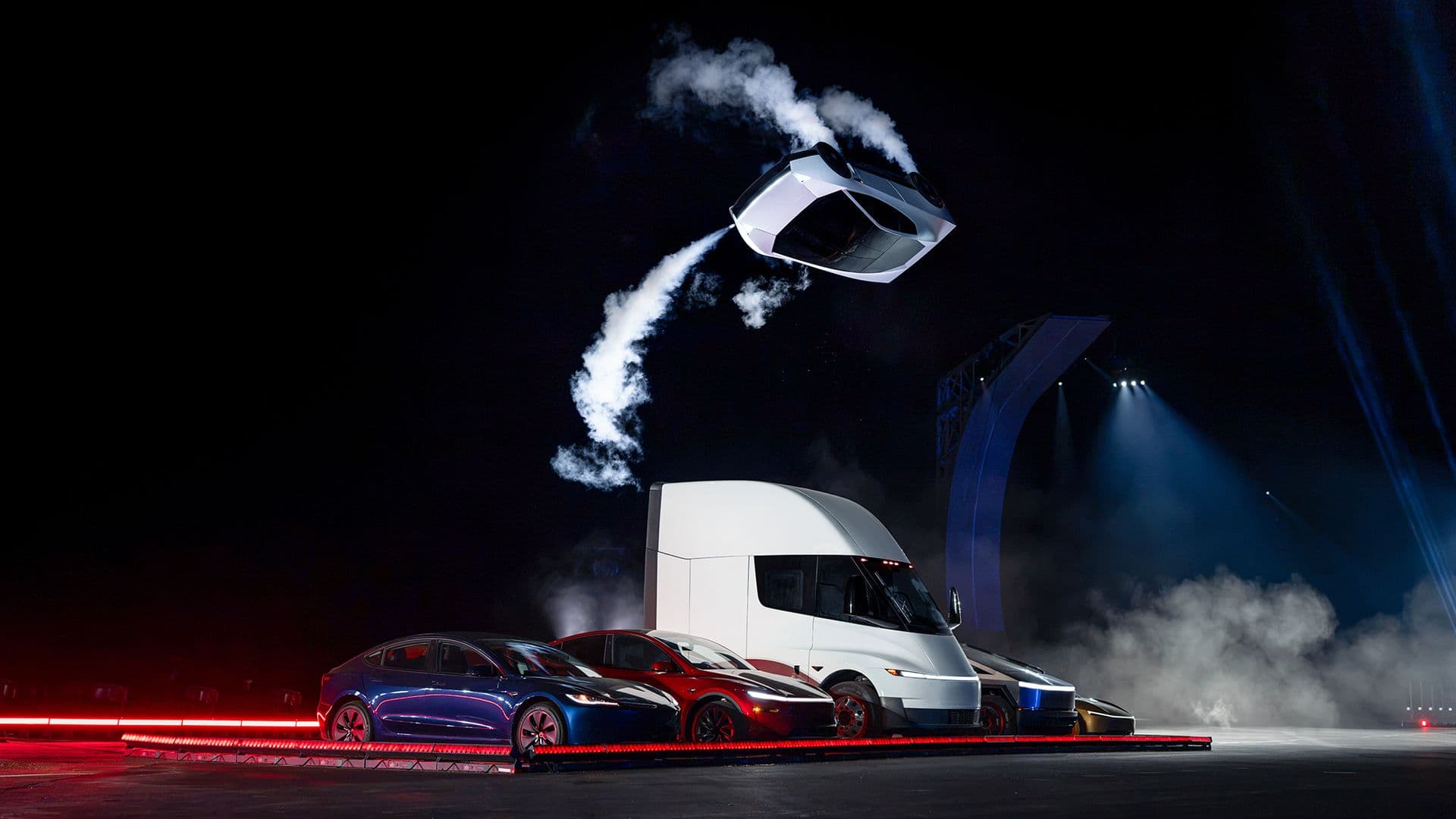
Tesla has finally unveiled its long-awaited Roadster, but the reveal at SpaceX's Rocket Test and Development Center in McGregor, Texas, was less about electric vehicles and more about defying gravity. The car uses cold-gas thrusters to briefly lift off the ground, spin and land softly, a spectacle that left many wondering what this means for the future of EVs.
A Decade of Anticipation Ends With a Bang
After nearly ten years of delays and design changes, Tesla has transformed the Roadster from a sleek electric sports car into an angular, space-age machine. The original concept promised a 600-mile range and stunning performance. The production version delivers around 300 miles on a charge and acceleration that pushes the limits of human endurance.
The headline feature, however, is the ability to fly, albeit briefly. Large jets of compressed gas force the vehicle airborne, while separate thrusters enable spins and controlled landings. Tesla Vice President of Engineering Lars Moravy described one maneuver as a kickflip.
Why This Matters
The flying Roadster is a technological showcase, but its practical value for the EV industry is questionable. The Performance model may be limited to private roads or race circuits, and the Rocket model is available by invitation only. This exclusivity means the car will not contribute to mass electrification or address mainstream concerns like charging infrastructure or battery range.
Instead, the stunt appears designed to generate hype and potentially pave the way for a Tesla and SpaceX merger. Gene Munster of Deepwater Asset Management called it an engineering flex with no commercial value beyond embarrassing traditional car makers. Such spectacles risk diverting attention from the core challenges facing electric vehicles.
What Tesla Didn't Say
Amid the excitement, Tesla made no mention of innovative battery technology, rapid charging or next-generation software. These are the areas that truly move the EV industry forward. The Roadster's removable T-panels also mean it is not a true roadster in the traditional sense.
Industry watchers had hoped for breakthroughs that could trickle down to more affordable models. Instead, the event focused on a halo car that few will ever own or drive. This approach may boost Tesla's image as an innovator, but it does little to accelerate the transition to sustainable transportation.
What You Need to Know
The Roadster's reliance on SpaceX technology underscores the growing convergence of Tesla and SpaceX. Elon Musk has long hinted at synergies between the two companies. This event may be a step toward a merger, but it also raises questions about Tesla's focus.
The Road Ahead for Tesla
Tesla remains a leader in electric vehicles, but the flying Roadster does not address the pressing need for affordable, long-range EVs. Competitors are advancing in battery technology and charging networks. Tesla's resources might be better spent on these areas rather than on publicity stunts.
The Roadster will undoubtedly turn heads and set track records. Its impact on the broader EV market, however, is likely to be minimal. For Tesla to truly move the industry forward, it needs to deliver innovations that benefit all drivers, not just a select few.