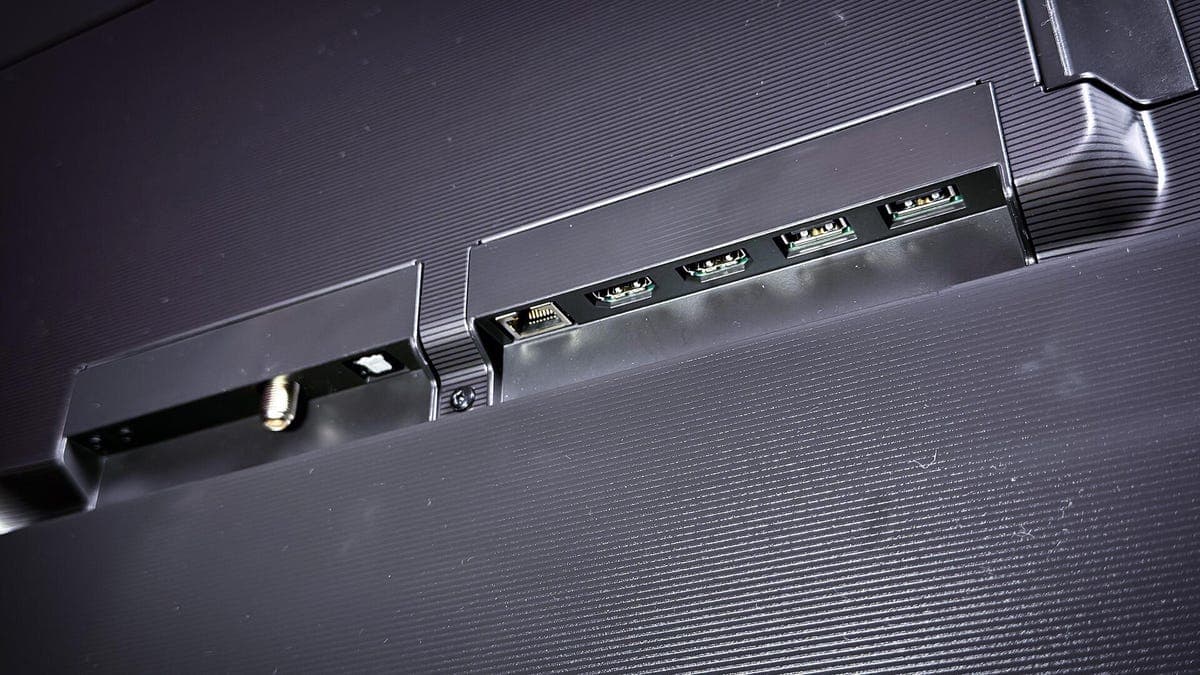
Most smart TV owners never touch the RS-232 port on the back of their set. But that small serial connector can transform a television into a powerful automation hub. The port, long used for professional diagnostics and commercial displays, offers a direct way to control a television from external systems. It is a hidden feature that many consumers overlook.
What RS-232 Offers
RS-232 is a decades-old serial communication standard. It sends commands over a simple two-wire interface. On a smart TV, the port listens for text-based commands to power on, change inputs, adjust volume or even launch apps. This is not a wireless solution. It requires a physical cable and a controller such as a home automation hub, a Raspberry Pi or a dedicated serial device.
The key advantage is reliability. RF remote signals can be blocked or interfere with other devices. A wired RS-232 link never drops. It also allows two-way communication, so the TV can confirm it received a command. For home automation enthusiasts, this opens stable integration with systems like Home Assistant, Crestron or Control4.
Practical Applications
With RS-232, a TV can respond to scheduled events. It can turn on for a morning news stream and shut off at bedtime. It can switch to a security camera feed when motion is detected. In a media room, RS-232 enables synchronized control of the TV, projector, audio system and lighting. The system can run without cloud dependency, which appeals to privacy-conscious users.
Setting it up requires a serial cable and some basic programming. Many smart TVs support a standard command set. Manufacturer documentation lists the exact codes for each function. Tools like PuTTY or Terminal can send test commands to verify the connection.
Why This Matters
RS-232 capability directly affects homeowners and tech enthusiasts who want reliable, offline automation. It removes reliance on infrared repeaters and cloud services. The port is present on many mid-range and premium TVs, yet rarely advertised. Knowing about RS-232 unlocks stable control that does not degrade over time. For anyone building a smart home, this feature adds professional-grade integration without extra hardware costs. It answers a practical question: how to make a smart TV behave exactly as desired, every time.