Editor: Porcia Akua Holmes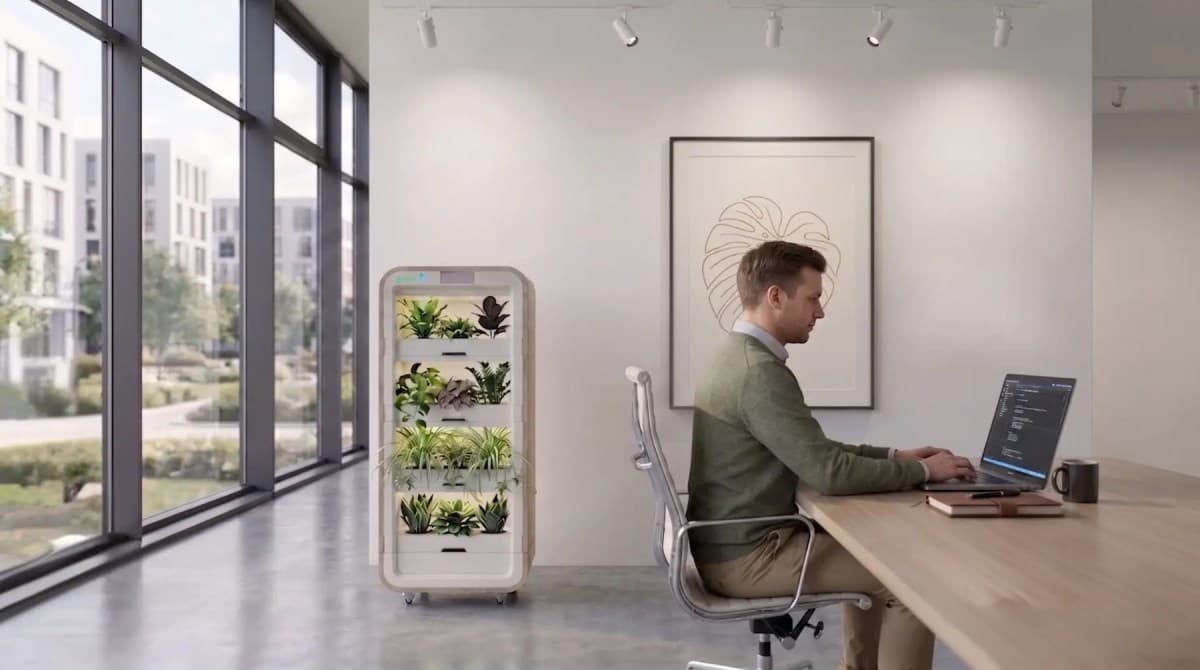
Indoor air quality in offices has long been a persistent health and productivity problem. Now a startup called Greenairy is betting that the solution involves living walls of greenery augmented with smart technology. The company’s smart plant towers are designed to function as natural air purifiers in commercial workspaces, blending horticulture with automation.
How the Plant Towers Work
Greenairy's design uses a vertical stack of planters filled with species known for their ability to filter volatile organic compounds and carbon dioxide. An embedded microcontroller manages water delivery and lighting schedules, reducing the maintenance burden on office staff. Sensors in each tower transmit environmental data to a cloud dashboard, allowing facility managers to see real-time air quality metrics alongside plant health status.
Why This Matters
The shift toward hybrid work has put new pressure on employers to make office environments healthier and more inviting. Greenairy’s approach addresses two pain points at once: it actively cleans air using biological processes and it introduces biophilic elements that studies show reduce stress and improve cognitive function. For facility managers, the main benefit is a passive system that does not require the filter replacements or energy consumption of mechanical HEPA purifiers. The long term cost for plant replacement and water use, however, remains unproven at scale. If the company can deliver consistent air quality improvement with minimal upkeep, it could carve a distinct niche in the workplace wellness market.
Market Context and Competition
Traditional air purifiers dominate the commercial HVAC market but they do little for aesthetics or occupant wellbeing. Companies such as Aero and Molekule have introduced plant based air cleaning systems before with mixed commercial traction. Greenairy differentiates by emphasizing full automation and remote monitoring, which larger corporate clients typically require. The towers also double as architectural features, potentially appealing to companies designing green certified offices. Early pilot installations will be critical to validating claims about pollutant removal rates and unit cost efficiency.
What It Means for Office Workers
For employees, the immediate benefit is perceptible: cleaner air and visible greenery. Studies consistently link indoor plants to improved mood and concentration. If Greenairy scales production and brings down unit costs, the towers could become a standard fixture in open plan offices. The real test, however, will come when the novelty fades and the system must prove it can survive the dry, cycling air of commercial buildings without becoming a new maintenance burden.