Senior Editor: Alan Agbele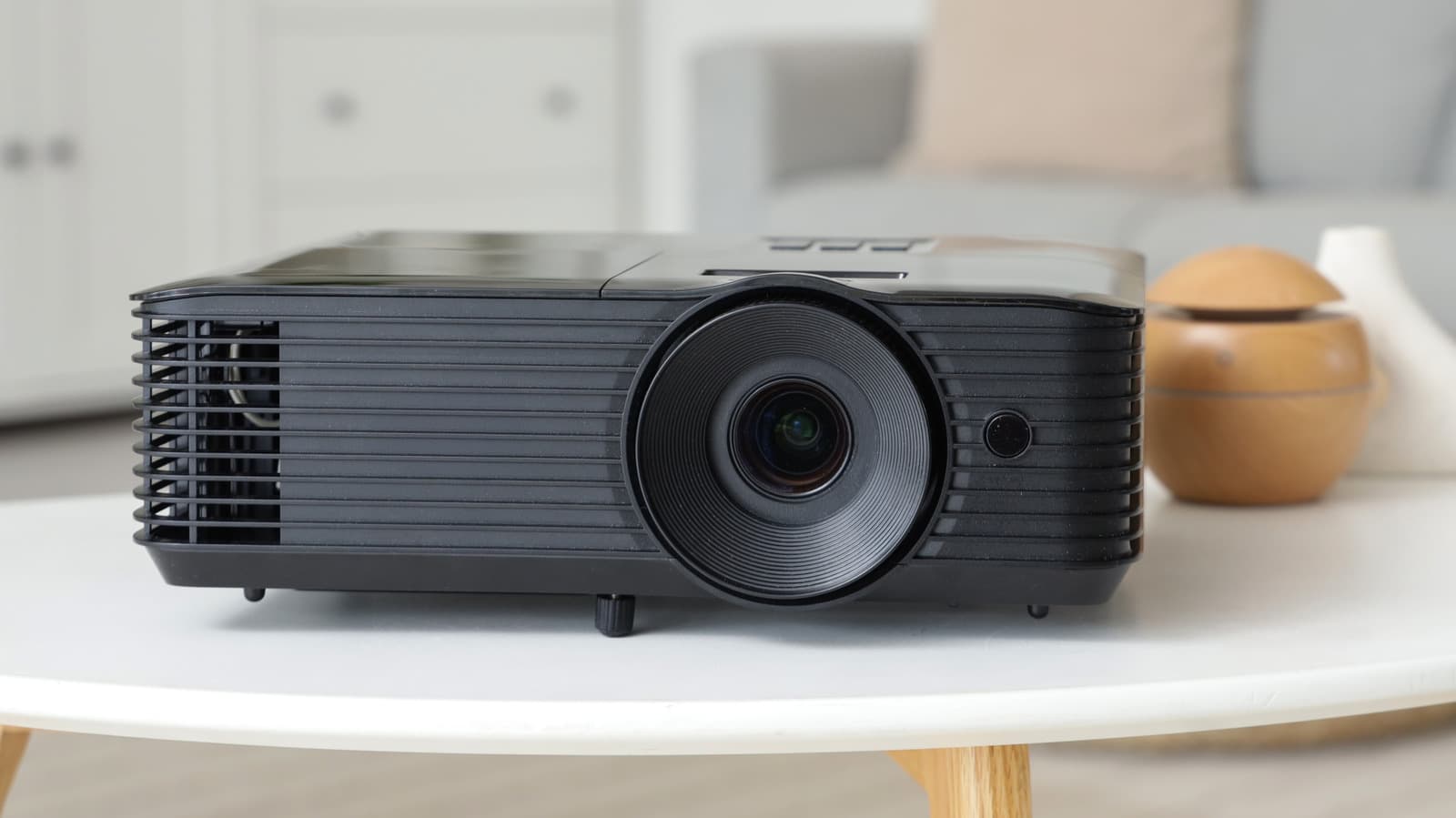
For home theater enthusiasts graduating from traditional TVs, the mounting decision presents the first major technical challenge. The question "Where should you mount your home projector?" typically reduces to two options: ceiling or wall placement. Each choice carries distinct tradeoffs in image quality, room dynamics and installation complexity.
Ceiling Mounts: The Traditional Choice
Ceiling mounting positions the projectr overhead, out of walking paths and furniture. It provides the most direct light path, minimizing keystone correction and preserving image sharpness. Ceiling mounts work best in rooms with high ceilings and consistent floor plans.
Wall Mounts: Flexibility for Living Spaces
Wall mounting suits multipurpose rooms such as living rooms or dens. It allows the projector to be placed at seated eye level, simplifying image alignment and access. Wall mounts are easier to install without attic access and can work with shelves or cabinets. However, they may limit screen size if the room is shallow.
Why This Matters
The projector mounting choice directly afects long-term viewing quality and room usability. A ceiling mount in a low-ceiling room can feel intrusive while a wall mount in a dedicated theater may force compromised angles. As 4K and laser projectors become mainstream, optimal placement becomes even more critical to preserve high dynamic range and sharpness. Consumers should evaluate their room dimensions, ceiling hieght and use case before committing to a mount. The right decision avoids future rework and maximizes the projector's potential.