Senior Editor: Alan Agbele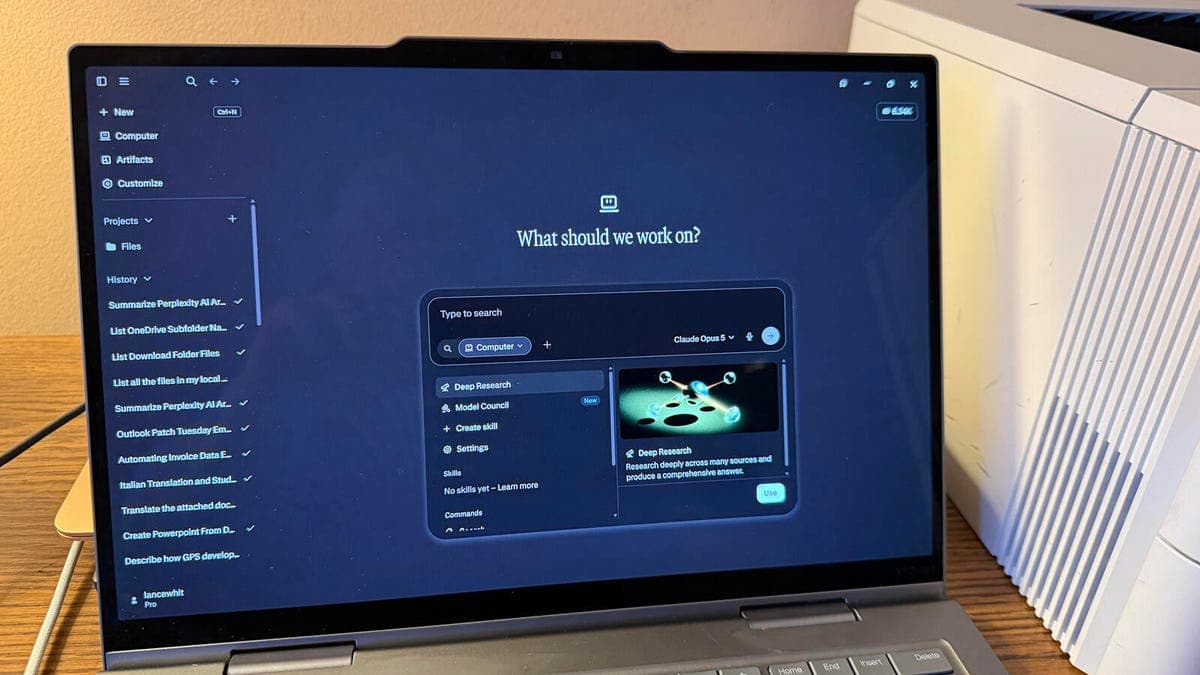
Perplexity has introduced a dedicated device called the Portable Computer that runs artificial intelligence models entirely on local hardware. The shift from cloud-based AI processing to on-device execution promises faster response times, stronger data security and lower operational costs. However, the system comes with specific hardware requirements that may limit its immediate reach.
How the Portable Computer Works
The Portable Computer functions as a dedicated AI co-processor or standalone machine. It processes queries, generates text and answers questions without sending data to remote servers. Perplexity likely optimized its own models for efficient on-device inference, balancing capability with local resource constraints. The device connects to a host system via a standard interface, offloading AI workloads from the main processor.
Strict Requirements and Limitations
The Portable Computer demands significant local hardware resources, likely including a powerful GPU, ample RAM and a fast storage subsystem. This restricts its use to high-end desktop or laptop systems. Users with older or less capable machines may not be able to run the agent effectively. Additionally, local models may not match the scale of cloud-based counterparts for complex tasks such as large-scale data analysis or multi-modal reasoning. The strict hardware requirements create a barrier to entry for many potential users.
Why This Matters
This development marks a significant move toward decentralizing AI processing. For consumers, it means greater control over their data and reduced reliance on internet connectivity for AI tasks. For the industry, it challenges the assumption that powerful AI must live in the cloud. If Perplexity's Portable Computer succeeds, it could accelerate the adoption of on-device AI across applications from personal assistants to autonomous systems. The strict hardware requirements, however, may slow mainstream adoption until hardware catches up. The product also puts pressure on cloud-centric AI providers to justify their costs and latency.
Broader Industry Context
Several companies are exploring local AI execution, including Apple with on-device models and startups creating edge AI chips. Perplexity's move as a software company into hardware-adjacent territory signals confidence in the local AI market. The success of the Portable Computer will depend on how well it balances performance with accessibility. If the device delivers on its promises, it could set a new standard for privacy-focused, low-latency AI experiences.