Senior Editor: Alan Agbele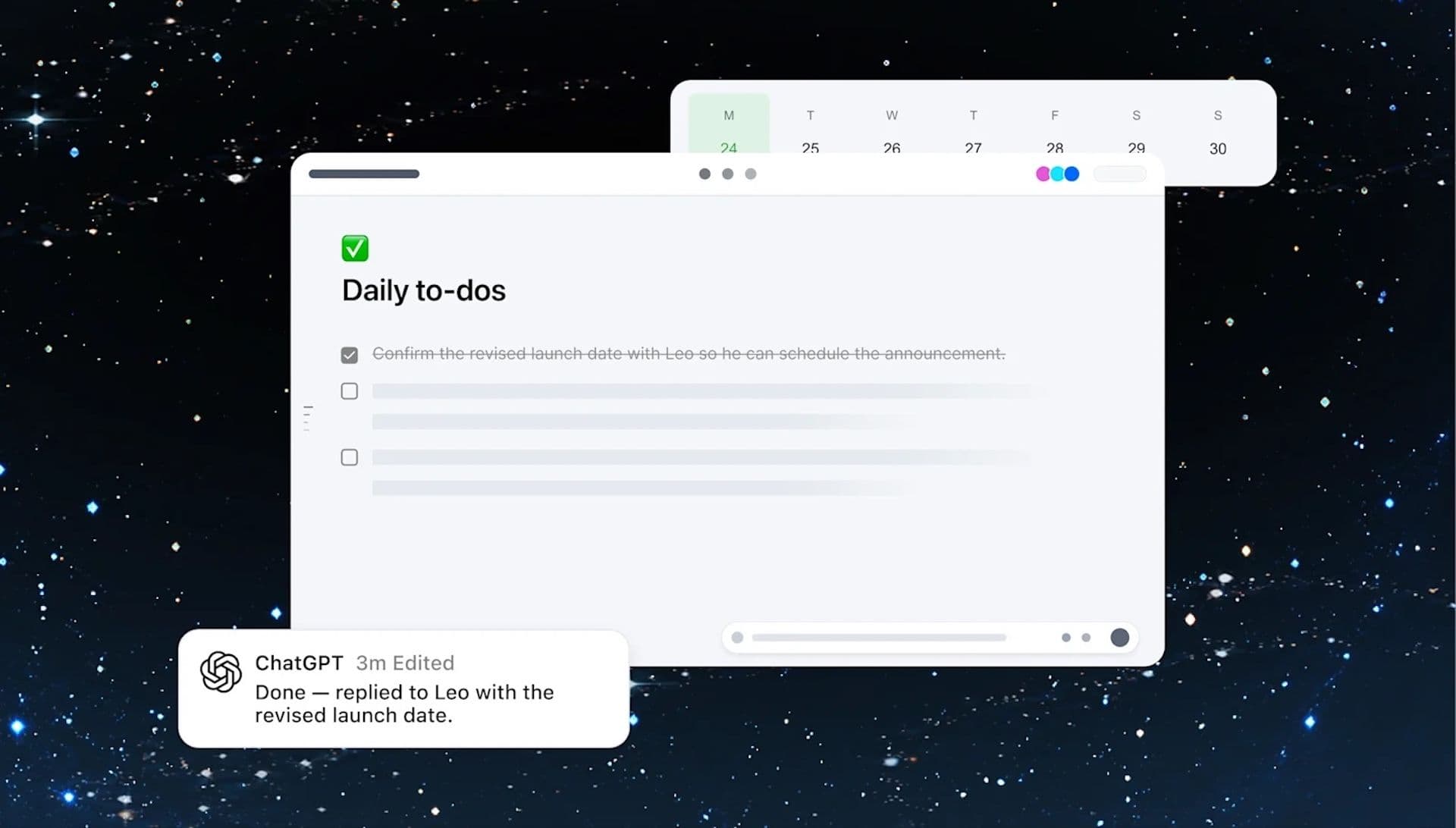
OpenAI has launched a new ChatGPT interface called Spaces, replacing the outgoing Library tab for Pro, Business and Enterprise users. The change transforms how users interact with generative AI and agentic AI, placing documents, colleagues and AI tools in a single shared environment.
The Shift From Library to Spaces
The company defines Spaces as a home for the pages and files users create, upload and share in ChatGPT, including spreadsheets and presentations. Within Spaces, multiple colleagues can collaborate alongside ChatGPT, as well as with other OpenAI tools such as Codex and the newly announced always-on Dots. Each user has their own ChatGPT and, where applicable, Dot to interact with, so they can call on AI to make edits or keep data up to date.
Spaces is available across desktop, mobile and web for Pro, Business and Enterprise users. The Library tab, which previously stored chat history and files, is being phased out in favor of this more structured environment.
Why This Matters
Spaces represents a fundamental shift in how knowledge workers interact with AI. Instead of treating ChatGPT as a standalone chat tool, OpenAI is embedding it directly into the workflow as a persistent collaborator. For Pro, Business and Enterprise subscribers, this means less time copying data between applications and more time acting on AI-generated insights. The introduction of Pages also points toward a future where documents become living artifacts that update themselves without human intervention. While OpenAI has not set out to replace Google Workspace or Microsoft 365, Spaces challenges those platforms by offering a native AI layer that competitors have not yet matched. The risk for businesses is that locking data into OpenAI's ecosystem could increase vendor dependence, but the productivity gains may outweigh that concern.
The Competitive Landscape
While OpenAI has not positioned Spaces as a direct alternative to Google Workspace, the features overlap significantly. Google Workspace offers collaborative documents with AI assistance through Duet AI, but Spaces integrates AI more deeply by allowing the same AI agent to interact across documents, calendars and communications. Pages, in particular, create a live document that pulls in data from external sources automatically. This could appeal to teams that rely on real-time information, such as project managers and sales teams. However, Spaces is currently limited to Pro, Business and Enterprise users, leaving free and Plus users on the older system. The expansion of Spaces to lower tiers will likely determine how quickly the feature gains adoption.