Editor: Porcia Akua Holmes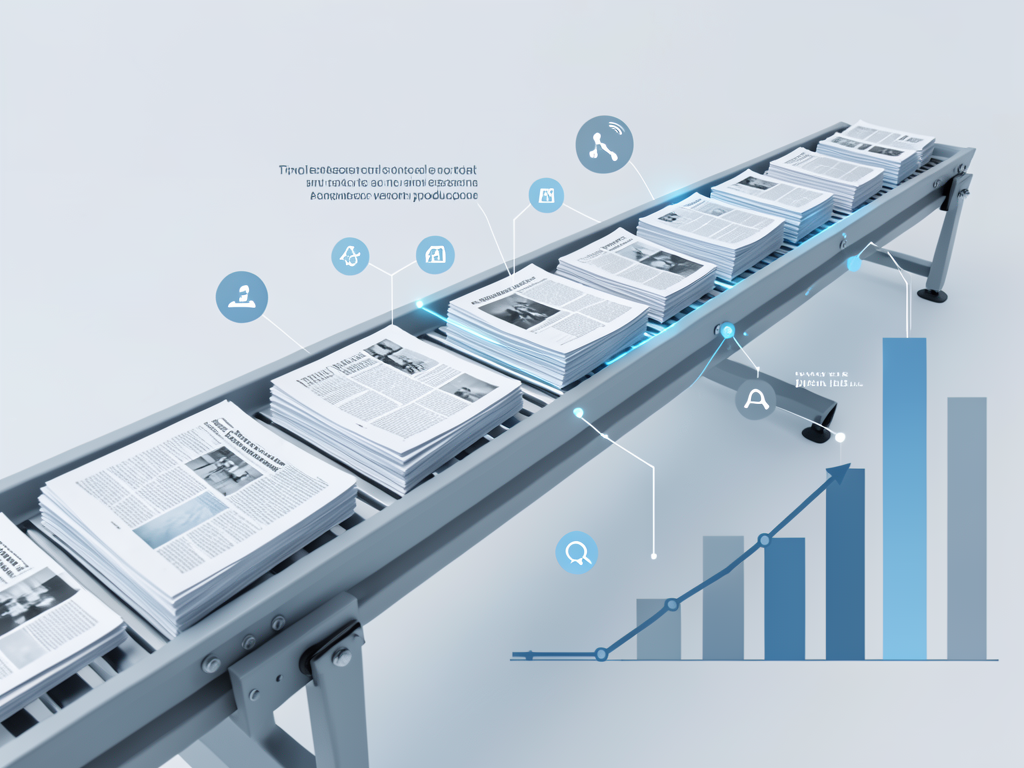
The claim that a single academic has produced 258 research papers in the first half of 2026 is extraordinary by any standard. Whether the figure is accurate or not, the number attributed to Nicholas Polson has become a flashpoint in an ongoing debate about the credibility of scholarly publishing in an era of rapid automation.
A Number That Defies Conventions
Academic publishing has long operated on a model where a researcher might produce a handful of papers per year. Elite scholars occasionally exceed a dozen. Arguing for 258 papers in roughly six months implies a new paper almost every day, a pace that even the most productive teams would struggle to sustain.
Nicholas Polson, a statistician with a background in quantitative research, has built a reputation over decades of conventional publication. The reported figure, if taken at face value, would place him in a league entirely separate from his peers. Yet the very implausibility of the number has prompted observers to ask whether something systemic is changing behind the scenes.
What Could Explain the Surge
Several forces could theoretically account for such an output spike. The most plausible explanations revolve around the democratization of AI tools that can draft, edit and format manuscripts with minimal human effort. These tools lower the barrier to producing technical content, but they also blur the line between genuine research and automated generation.
Each factor alone would be insufficient to explain 258 papers, but combined they paint a portrait of an academic system adapting to new technological pressures. The question is whether that adaptation strengthens science or undermines it.
Why This Matters
The stakes extend far beyond one researcher's CV. If automated tools enable mass production of low-quality papers, journals will struggle to separate legitimate findings from noise. Editors, reviewers and readers already face a deluge of submissions, and a surge in volume could overwhelm the peer review system entirely.
For early-career academics, the situation is dire. Those without access to advanced AI tools or large collaborative teams may find themselves at a competitive disadvantage. The publish-or-perish model, already criticized for incentivizing shortcuts, could become more unforgiving as expectations of output rise artificially.
Funding agencies and university administrators, however, are beginning to take notice. Some institutions have adopted policies requiring researchers to disclose AI assistance, and a growing number of journals now screen for automated text. These measures, though early, signal a recognition that the integrity of scientific record is at risk.
Sorting Signal From Noise
The scientific community must decide whether tools like ChatGPT and arXiv are accelerants for discovery or enablers of fabrication. The answer likely lies in how these tools are governed, not in whether they are used. Clear rules around authorship, data transparency and verification could preserve the value of peer review while allowing innovation to flourish.
Nicholas Polson's reported output, whether real or apocryphal, serves as a warning of what happens when the incentives for quantity outpace the safeguards for quality. The conversation it has started is overdue, and the decisions made in response will shape research for years to come.