Editor: Porcia Akua Holmes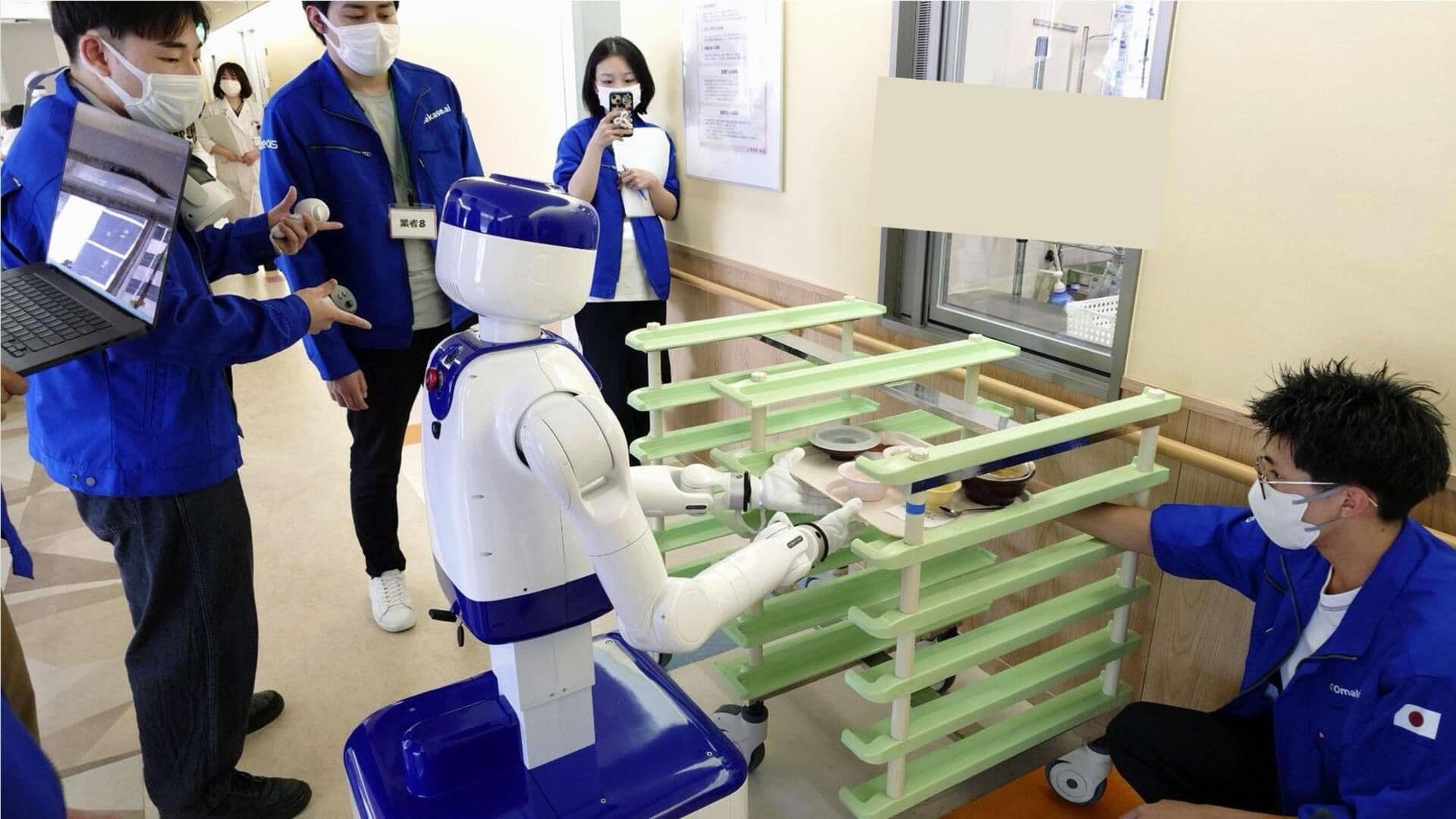
Japan has set a nation-defining target: deploy 10 million AI-powered robots in workplaces before 2040. The move is a direct response to a population projected to fall by almost 11 million people, creating a labor vacuum that automation must fill.
The Demographic Squeeze
The Japanese government's plan rests on stark numbers. By 2040, United Nations estimates place the nation's population at 119.6 million in 2030, dropping to 119.6 million in that year, but further projections show a slide to 119.6 million by 2040. The median age is expected to hit 54 years, with over 35% of residents aged 65 or older. Fewer than 11% of the population will be children. This leaves hospitals, factories and logistics hubs desperately seeking workers.
Japan has long relied on automation, but the scale of this initiative is unprecedented. The government is betting that robots can replace not just manual labor but also roles requiring judgment and interaction.
Robots Enter the Workplace
Startups are moving quickly to turn this vision into reality. Zeals, a Tokyo-based company, recently unveiled the D1, a wheeled humanoid robot priced from 5 million yen (about $32,000). The 129-centimeter-tall machine recognizes faces, has two arms that each lift up to 5 kilograms, and is designed for indoor tasks like guiding visitors and clearing tables.
Meanwhile, Kakuichi, a Nagano-based steel and energy systems firm, is integrating a Chinese-built humanoid named Miyazawa Noah into its workforce starting April 2027. Play Robotics, a humanoid research company, is assisting with installation and training. The robot will rotate through manufacturing, sales and other departments to learn real-world tasks.
The Japanese push extends beyond raw hardware. Masahiro Shimizu, CEO of Zeals, emphasized that collecting training data is critical. He said, "It is important to gather training data and ensure that it is actually useful in real-world settings." Kakuichi's CEO, Riu Tanaka, added that developing a robot also means fostering employees who can utilize it effectively.
The Insurance Frontier
As robots become more autonomous, insurers are preparing for new liabilities. Mitsui Sumitomo Insurance has partnered with Zeals to offer policies tailored to D1 users. The insurer acknowledges that these machines carry risks, both physical and cyber.
Masaki Oshiro, a manager at Mitsui Sumitomo's Tokyo East Branch, said, "There are risks of causing harm to people or property, as well as concerns about data breaches in cyber-attacks." In July, the insurer acquired shares in a Japanese firm developing physical AI, which allows robots to learn tasks on their own. That investment signals that even insurers are unsure how these systems will behave at scale.
Why This Matters
The success of Japan's robot experiment will have global implications. If robots can reliably fill jobs in a rapidly aging society, other nations facing demographic decline may follow suit. But the path is riddled with uncertainty. Will robots be truly autonomous or require constant supervision? Can they handle unpredictable environments? What happens when a robot causes injury or a security breach?
The economic stakes are enormous. Japan's GDP growth increasingly depends on productivity gains from automation. Yet the performance and impact of these robots remain unproven. The insurer's cautious investments underscore that even optimists see potential failure modes. The next decade will reveal whether Japan's bold bet on machines pays off or becomes a cautionary tale for the world.
Via Japan Today