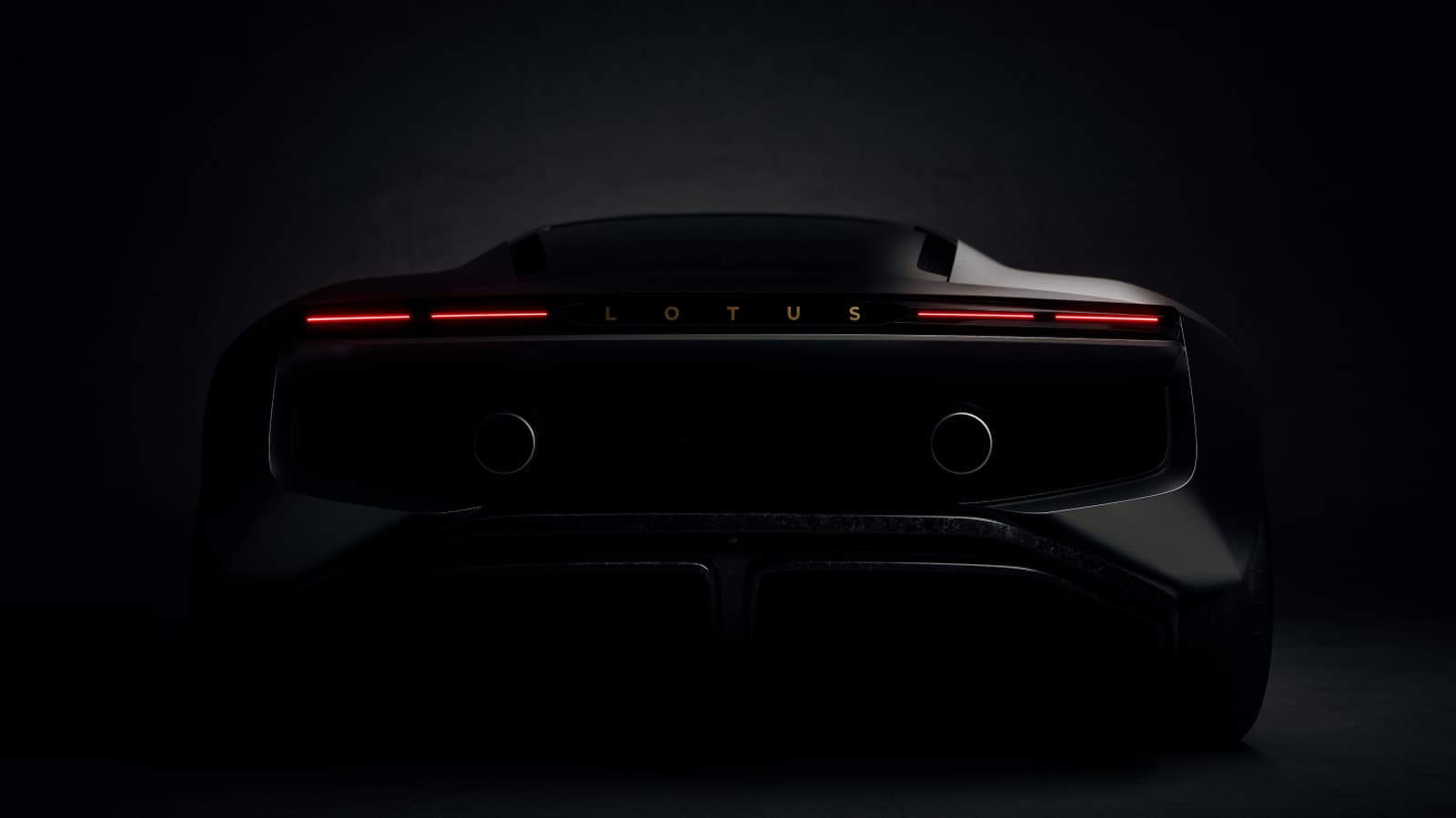
Lotus is abandoning its all-electric future. The British sports car maker will reintroduce combustion engines in its lineup, reversing a strategy announced just a few years ago.
The company said it will offer hybrids and traditional internal combustion models alongside electric vehicles. This pivot comes as global EV demand softens and automakers reassess ambitious electrification timelines.
A Sudden Shift in Direction
Lotus previously committed to becoming an EV-only brand by 2028. That plan now appears dead. CEO Feng Qingfeng cited customer demand for flexibility and the need to maintain combustion expertise as reasons for the change.
The decision marks yet another strategic U-turn for the UK-based carmaker. Lotus has struggled with profitability and ownership changes in recent years. Its current parent company, Geely, has pushed for a broader product approach.
Why This Matters
For car buyers, Lotus's move means more powertrain choices but also signals uncertainty in the EV transition. Consumers who prefer combustion engines may find Lotus models easier to buy and maintain. The shift also affects Lotus's brand identity, which has long centered on lightweight, performance-focused cars.
The broader automotive industry is watching closely. Lotus's reversal adds to a growing list of manufacturers hedging their bets on electrification. Mercedes-Benz, General Motors and Ford have also slowed EV investment or delayed production targets.
Industry Context
Analysts say Lotus's decision reflects real world challenges. Charging infrastructure remains patchy in many markets. Battery costs are high. And consumer adoption is uneven, especially for performance EVs that sacrifice range for speed.
Lotus plans to launch a hybrid version of its Emira sports car and a combustion option for its Eletre SUV. The company will also continue developing pure EVs but no longer treats them as the only path forward.
The shift comes with risks. Lotus must now manage two engineering lines internally. That could strain resources at a company with limited volume. But failing to offer combustion engines could have meant losing sales in the Middle East, Southeast Asia and parts of Europe where EV uptake lags.
The first combustion renewed models are expected within two years. Lotus has not provided exact dates or pricing.