Editor: Porcia Akua Holmes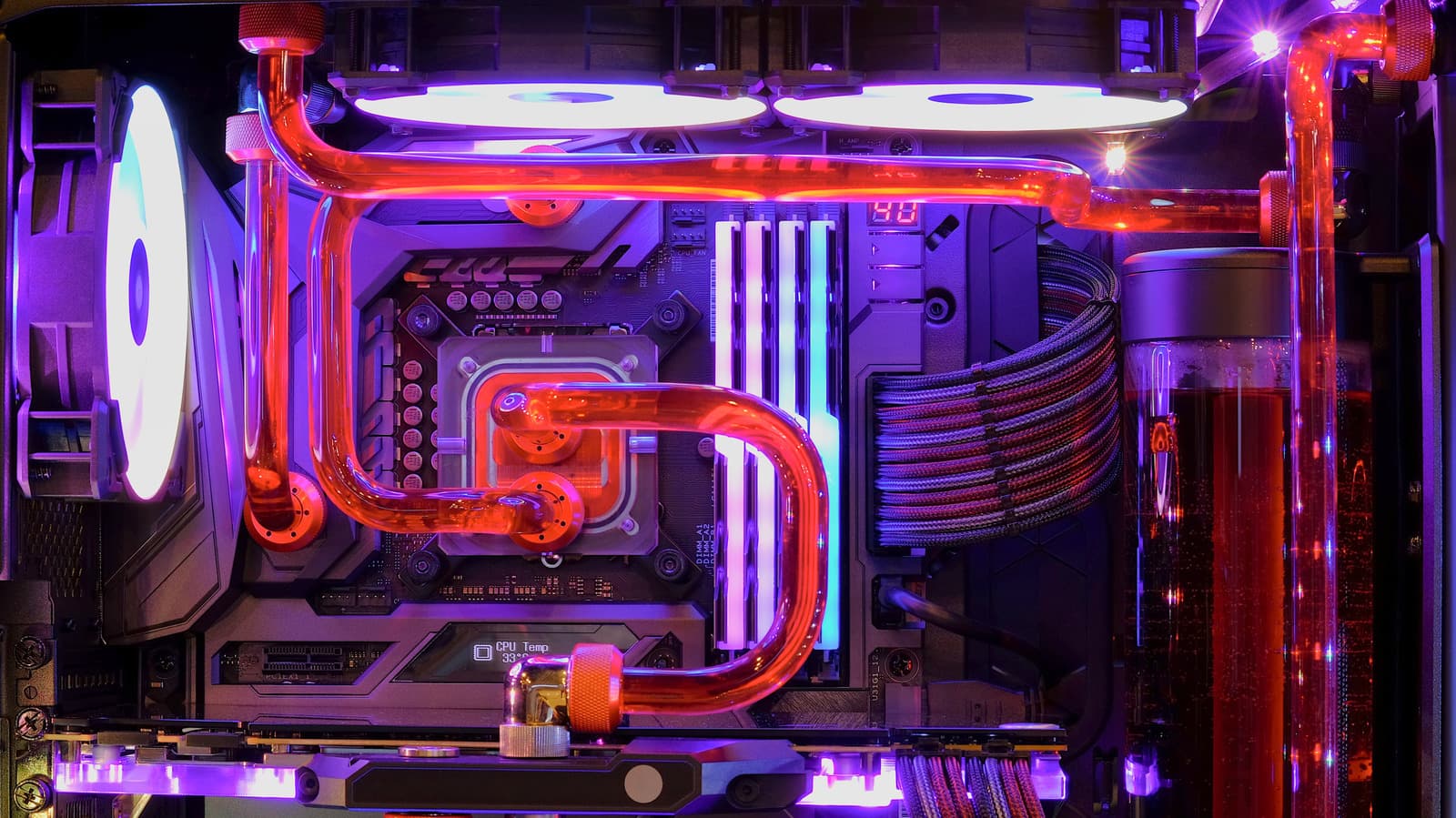
Once a question whispered among enthusiasts — How Does A Liquid Cooled PC Actually Work — the answer has become increasingly relevant as modern processors push thermal limits. High-performance gaming and professional workloads now generate enough heat to overwhelm traditional air coolers, driving a surge in liquid cooling adoption among mainstream users.
How Liquid Cooling Mirrors Air Conditioning
The principle behind liquid cooling is straightforward: a liquid absorbs heat at the source and releases it elsewhere. A water block mounts directly to the CPU or GPU, using a metal base plate to draw heat into the coolant. The heated liquid then flows to a radiator, where fans push air across thin fins to cool it down before it recirculates. This cycle is the same mechanism found in home air conditioning systems and automotive radiators.
Why This Matters
The shift toward liquid cooling is not a luxury for PC builders but a practical response to rising thermal demands. Modern CPUs and GPUs can exceed 90 degrees Celsius under load, forcing air coolers to run loud and inefficient fans at maximum speed. Liquid cooling keeps temperatures 10 to 20 degrees lower in many configurations, allowing processors to maintain higher boost clocks for longer periods. For gamers, content creators and data scientists running intensive simulations, this translates directly to smoother performance and fewer thermal throttling events. As chip power consumption continues to climb, the viability of air cooling shrinks, making liquid-based solutions a near requirement for top-tier builds.
Closed Loops vs Custom Loops
Consumers today face two main paths. All-in-one liquid coolers arrive preassembled and sealed, requiring no maintenance beyond occasional dusting. They are easy to install and carry low risk of leaks. Custom loops, on the other hand, let users select every component and can cover multiple GPUs, the motherboard and even RAM. These setups deliver superior cooling and quieter operation but demand careful planning, regular fluid changes and a higher budget. Most first-time liquid cooling adopters start with an all-in-one unit before considering a custom loop.
The Bottom Line
Liquid cooling has moved from a niche enthusiast upgrade to a mainstream necessity as processors grow hotter. Understanding the basic cycle of heat absorption, transport and dissipation helps users evaluate whether the investment in a liquid cooled PC is worth it for their workloads. The technology itself is not new, but its application in personal computing continues to evolve with better pump designs, larger radiators and smarter fan control.