Editor: Porcia Akua Holmes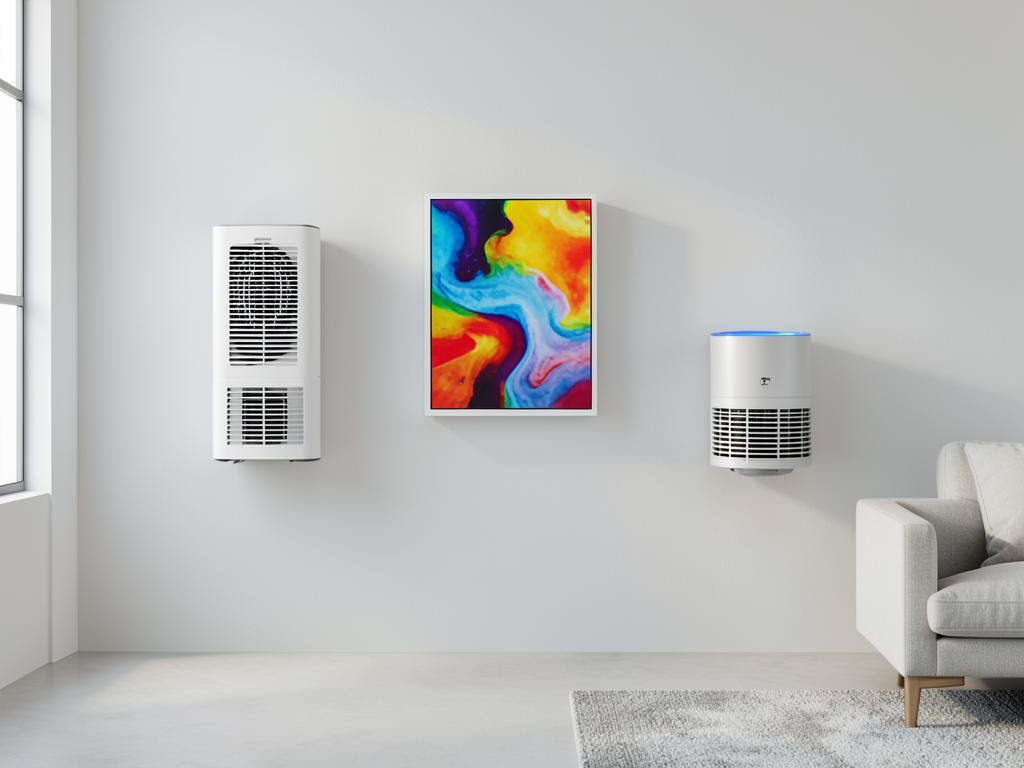
Consumers shopping for an air purifier in 2026 face a new kind of choice: a machine that cleans the air and also warms a room, cools it or hangs on a wall like a painting. Brands including BlueAir, Rabbit Air and Dreame are leading this shift, pushing traditional single-purpose devices into multiuse territory.
Why Manufacturers Are Combining Functions
The move to multiuse designs comes from two pressures: shrinking home spaces and consumer demand for fewer plugged-in devices. A single appliance that purifies and provides climate control appeals to apartment dwellers and those seeking minimalist setups. Dreame, best known for robotic vacuums, has entered the purifier market with a model that also heats and circulates air. Rabbit Air, a longtime player, offers units designed to hang flush against a wall as customizable art pieces. BlueAir has added fan and heater capabilities to some of its premium purifiers.
How the Devices Differ
Each brand takes a distinct approach to combining air purification with secondary functions. The key differences are:
Performance Trade-Offs Buyers Should Consider
Combining multiple functions in one chassis often forces compromises. A purifier that also heats may have less airflow for filtering, or a fan may be noisier during high-speed operation. Buyers should check whether the primary air cleaning capability meets their room size and filtration needs before focusing on the extra features. WIRED's testing of these multiuse models found that while the core purification remains effective, the added functions deliver adequate but not market-leading performance on their own.
Why This Matters
The hybrid purifier trend signals a broader shift in home appliance design toward function stacking. Consumers and retailers must now judge devices on multiple criteria. For homeowners with limited space, a unit that handles air cleaning and climate control could replace two appliances. For regulators and reviewers, the challenge becomes evaluating composite products fairly without favoring one feature over another. As more brands follow BlueAir, Rabbit Air and Dreame, the definition of an air purifier will continue to expand.