Senior Editor: Alan Agbele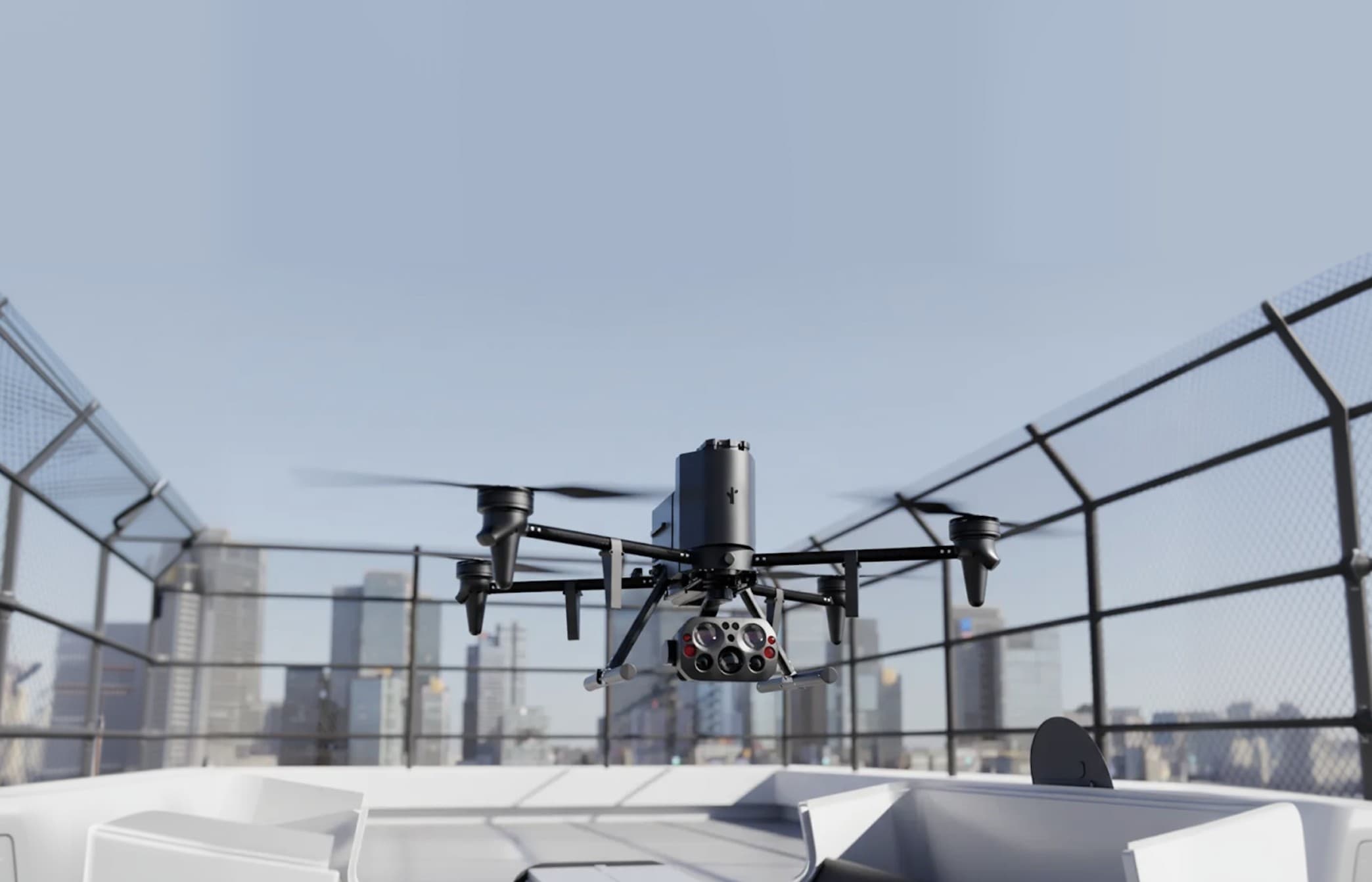
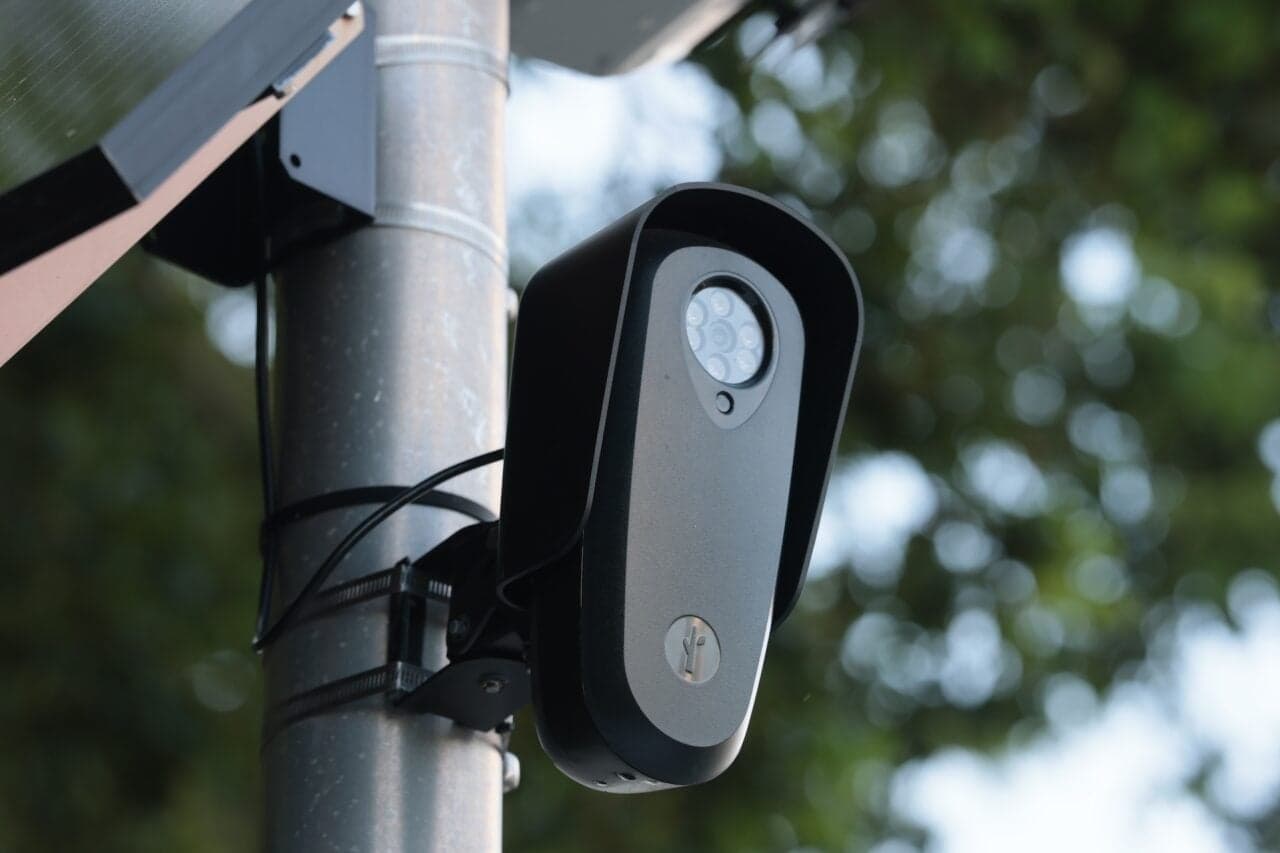
Flock Safety, the company behind thousands of neighborhood surveillance cameras, is now deploying drones to monitor areas its ground-based systems cannot cover. The expansion signals a major shift in private surveillance technology, moving from fixed posts to airborne patrols that can track movement in real time.
The Drone Expansion
Flock Safety's future is full of spying drones, according to internal company documents and product announcements. The new drones are designed to patrol areas where ground cameras are ineffective, such as large parking lots, construction sites and open fields. The company claims the system helps law enforcement and property owners respond faster to incidents.
Where vandals can cause damage unnoticed, Flock Safety's drones offer persistent aerial monitoring. The drones can automatically detect suspicious activity and relay video feeds to clients. The system builds on the company's license-plate recognition technology, but adds the ability to track people and vehicles in motion.
Why This Matters
The reach of Flock Safety's drone program extends beyond individual neighborhoods. Every recorded flight creates a digital footprint of movement patterns in public spaces. Critics argue that this normalizes constant aerial surveillance without a warrant or public vote.
Residents in areas with Flock Safety drones may be tracked repeatedly without their knowledge. Unlike police drones, which often require a warrant for persistent monitoring, private drones operate under looser rules. This gap in regulation means Flock Safety can sell surveillance data directly to law enforcement agencies, creating a pipeline that bypasses traditional oversight.
The company, however, defends its approach. It says drones are only active when triggered by motion and do not record continuously. But privacy advocates point out that even selective recording can reveal sensitive information such as a person's daily schedule or social connections. Without updated federal rules, private drone surveillance will likely expand further, making Flock Safety's model a test case for the industry.
Regulatory Gaps and Local Pushback
Federal Aviation Administration rules limit where and how drones can fly, but they do not address data collection by private companies. Local governments have started to push back. Some cities have restricted Flock Safety's cameras; similar battles over drones are beginning.
Civil liberties groups have sued to stop warrantless drone surveillance by police, but private operators like Flock Safety have faced fewer challenges. The company's marketing slogan suggests that where vandals can strike, drones can intervene. But for many residents, the cure may feel as invasive as the crime.