Editor: Porcia Akua Holmes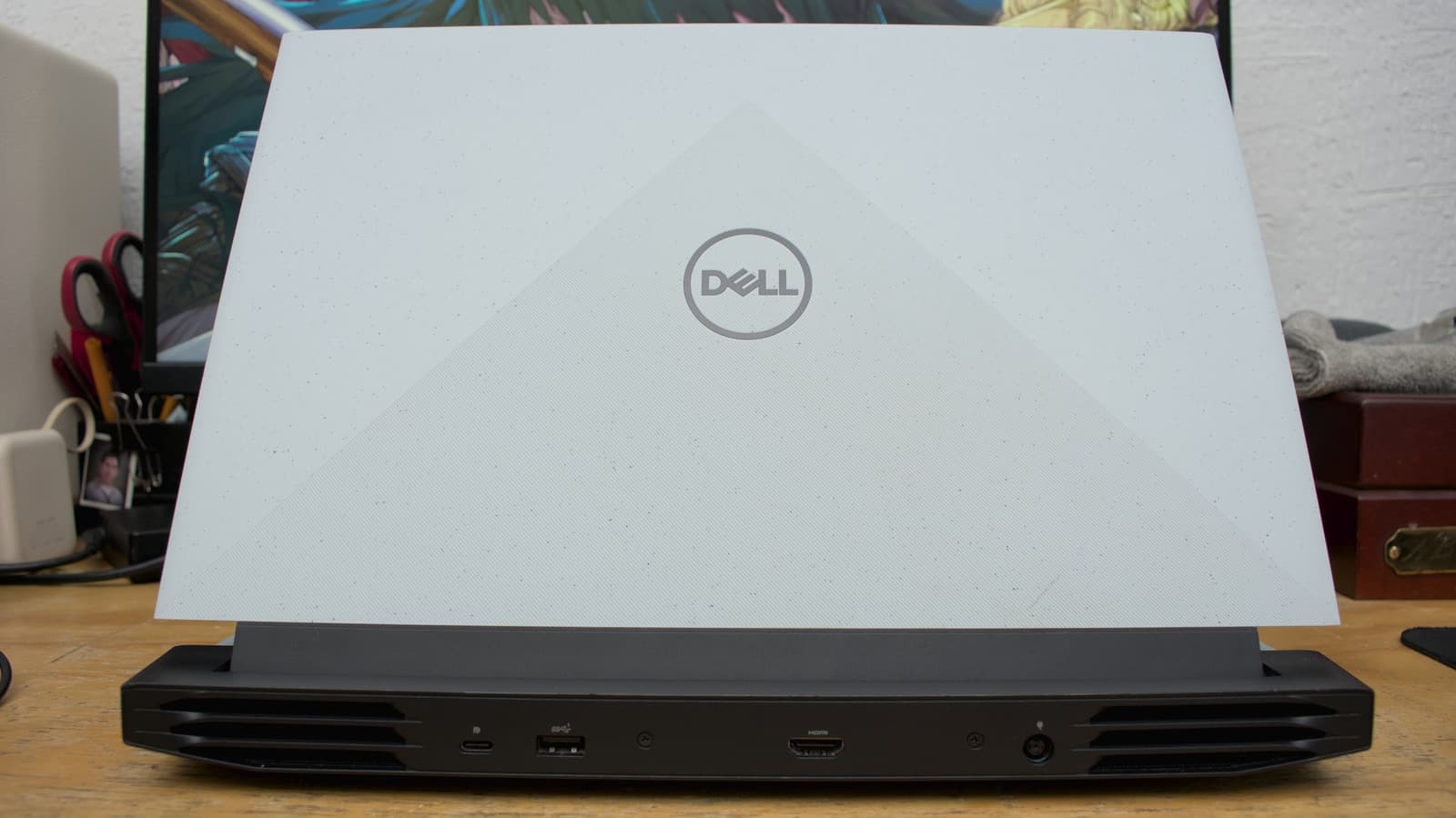
Dell laptops remain a common choice for work and school, prized for their balance of performance and price. Yet an increasing number of owners report encountering the same hardware faults months after purchase, raising questions about quality control across the company's product lines.
Recurring Hardware Complaints
User forums and repair shops point to three categories of failure that affect Dell laptops more frequently than competing brands. Each issue stems from decisions around material choice or component placement.
Why Quality Control Remains a Concern
Dell has long competed by offering strong specifications at competitive prices. The trade-off often appears in non-core components such as hinges, batteries and cooling fans. Competitors like Lenovo and Apple, on the other hand, invest more in chassis rigidity and thermal design, which helps their machines last longer.
Industry teardowns show that Dell laptops use fewer metal reinforcements and more glued-in batteries compared to rivals. This approach lowers manufacturing cost but complicates repairs and shortens the device's usable life. Consumer reports indicate that these issues are not limited to budget models. The premium Dell XPS series, for example, has received criticism for hinge failures that require full display assembly replacement.
Why This Matters
The pattern of early hardware failure has real financial consequences for Dell laptop owners. Repair costs for a swollen battery or broken hinge can approach half the original purchase price. For businesses managing fleets of Dell machines, the higher failure rate means increased downtime and support expenses. As more consumers keep laptops for four to five years, durability becomes a deciding factor. If Dell does not address these recurring weaknesses, it risks losing market share to brands that offer better long-term reliability. The company's next generation of designs will need to prioritize robust construction without significantly raising prices.