Editor: Porcia Akua Holmes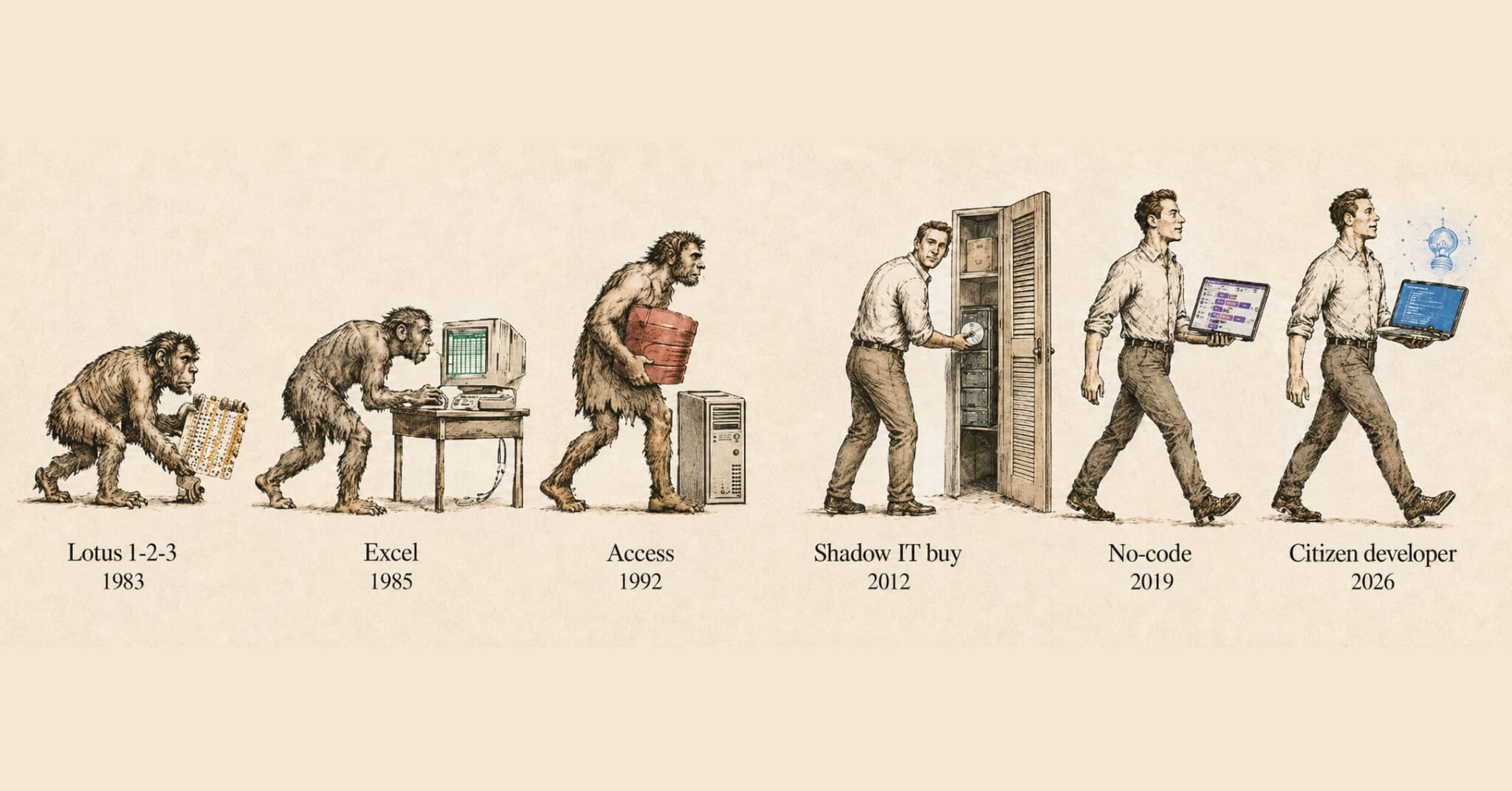
The term 'Citizen Devs' has moved from industry jargon to a working reality. With the rise of generative AI coding assistants and drag-and-drop development platforms, people without formal programming training are now building functional applications that once required dedicated engineering teams. This shift is redefining the boundaries of software development and forcing companies to reconsider who holds the title of engineer.
The New Developer Toolchain
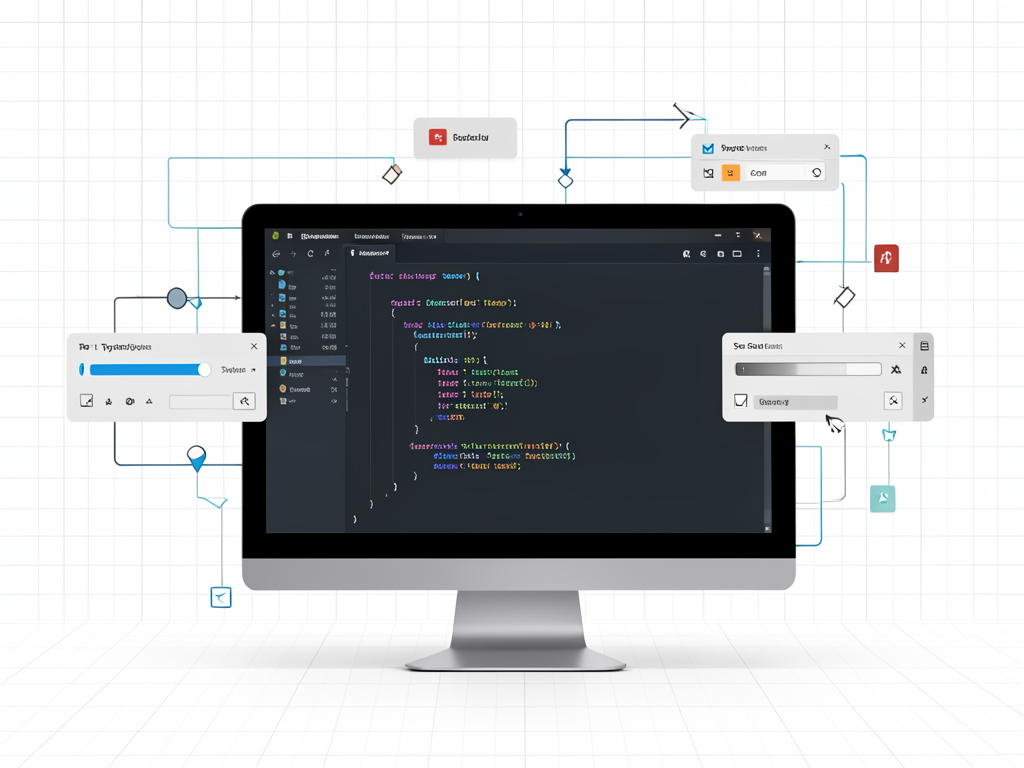
Platforms such as Microsoft Power Apps, Retool and OpenAI's ChatGPT have lowered the barrier to entry dramatically. A marketer can now assemble a customer dashboard in hours. An operations manager can script a warehouse inventory tracker without writing a single line of raw code. The tools abstract away complexity, but they still produce real, deployable software.
These environments share common features that make them accessible to non-engineers:
The result is a development cycle where everyone can participate. Professional engineers, however, still handle the core architecture and security reviews. The citizen developer typically builds on top of existing infrastructure rather than replacing it.
Quality and Security Trade-offs
The democratization of software creation brings clear efficiency gains, but it also creates new failure modes. Applications built by non-engineers often lack testing, version control and compliance documentation. A single poorly constructed automation can expose sensitive data or break downstream systems.
IT leaders are responding by establishing shadow IT policies that require citizen-built apps to pass automated scans before deployment. Some companies have created internal review boards staffed by professional developers who validate code generated by business users. The goal is to capture the speed of grassroots innovation without sacrificing enterprise security standards.
At the same time, the line between professional and amateur engineering is blurring. A 2024 survey from Gartner found that more than 60 percent of large organizations now have active citizen development initiatives. These programs often include training modules that teach basic software logic and data handling, effectively turning every employee into a part-time engineer.
Why This Matters
The rise of Citizen Devs signals a fundamental shift in how software gets made and who makes it. Traditional engineering roles are evolving from builders into architects and reviewers. For companies, the ability to harness this new workforce determines competitive advantage. For individual professionals, the imperative is clear: coding literacy is becoming a baseline expectation across departments, not just in the engineering org. The companies that adapt fastest will be the ones that treat everyone as a potential developer while maintaining the discipline that keeps software reliable.