Editor: Porcia Akua Holmes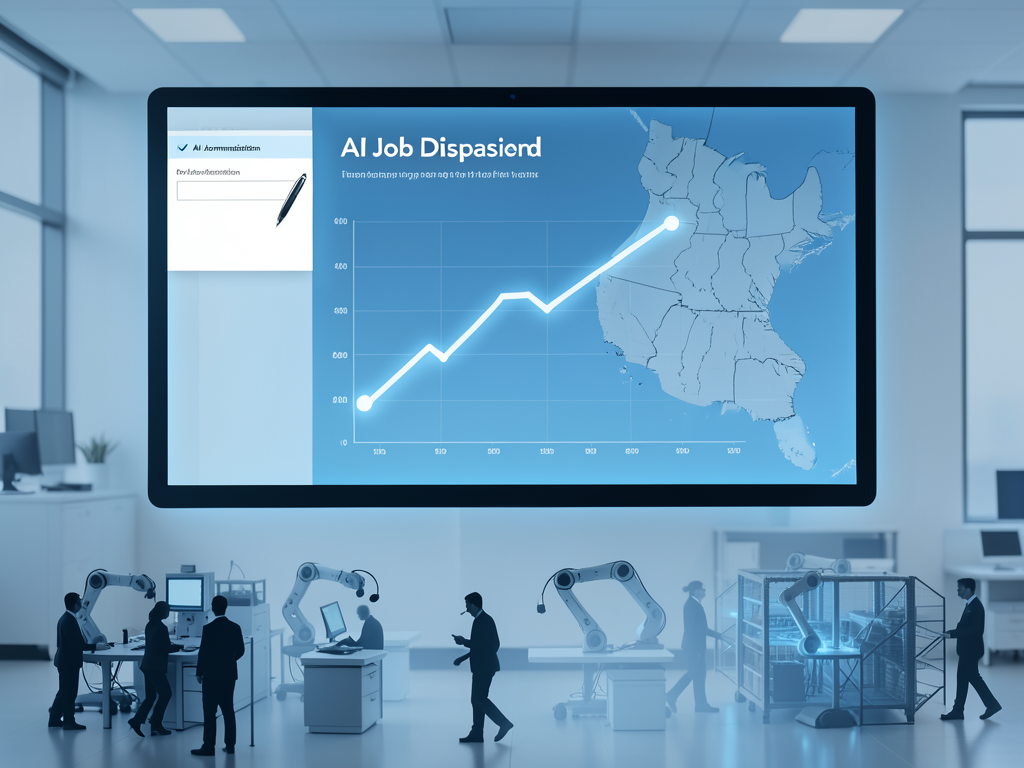
California became the first state to deploy a public tool that tracks job losses explicitly tied to artificial intelligence. Governor Gavin Newsom and the Employment Development Department unveiled the tracker to collect employer reports of workforce reductions linked to automation and AI adoption. The system aims to produce real-time data on how AI reshapes the state’s labor market.
Tracking Mechanism
Employers covered by California’s Worker Adjustment and Retraining Notification Act must already file notices for mass layoffs. The new tracker adds a field that asks companies to indicate whether AI or automation contributed to the job cuts. That data is then compiled into a publicly accessible dashboard.
The Employment Development Department will update the dashboard quarterly. Early reports are expected to highlight sectors such as manufacturing, retail and customer service, where AI tools have begun replacing routine tasks.
Why This Matters
Without systematic data, policymakers and workers have struggled to gauge AI’s true effect on employment. The California tracker offers a concrete baseline. Labor unions and workforce training organizations can use the numbers to push for reskilling programs. Employers, however, may face new scrutiny when they claim AI drove layoffs.
The tracker also puts pressure on other states to create similar reporting systems. Federal agencies have not yet standardized AI job loss data. California’s move could become a template for national policy.
Broader Context
AI adoption has accelerated across industries, but job displacement estimates remain largely speculative. While some economists predict net job creation, others warn of structural unemployment. The California tracker shifts the conversation from theory to evidence.
By requiring employers to self-report, California creates an incentive for companies to be transparent about their AI strategies. The data will also help researchers study which demographics and regions are most affected.
The tracker represents a rare instance of state government proactively monitoring a technology’s labor impact. Whether it leads to strong worker protections or simply becomes a data repository remains to be seen. For now, California has set a marker that other jurisdictions may follow.