Senior Editor: Alan Agbele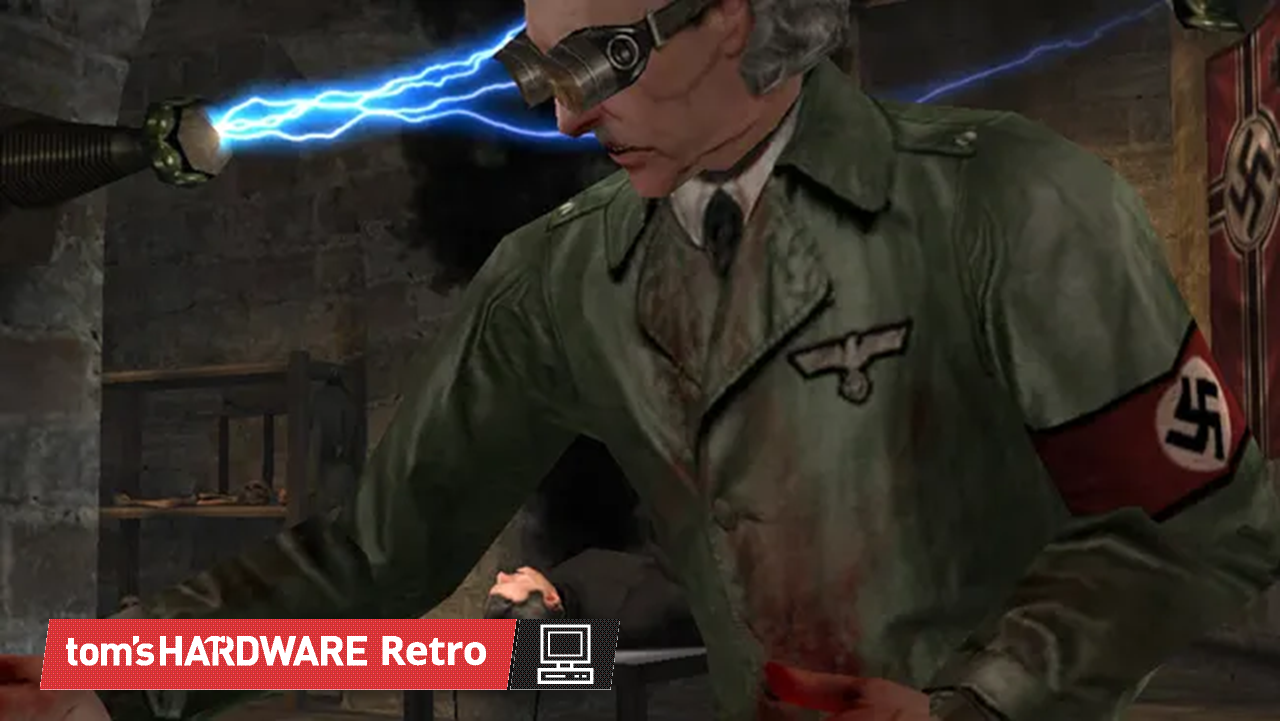
After 24 years of censorship, Return to Castle Wolfenstein is finally available uncut in Germany. The announcement came quietly from Bethesda Deutschland during a flurry of QuakeCon news, closing one of the longest-running censorship sagas in PC gaming. The original 2001 release had been heavily modified to comply with German laws restricting Nazi symbolism.
The Long Road to an Uncensored Release
Built on id Tech 3, the engine behind Quake III Arena, Return to Castle Wolfenstein showcased cutting-edge graphics for its era. But for German players, the experience was always incomplete. The original version replaced swastikas with iron crosses, renamed Heinrich Himmler to the fictional Heinrich Höller, and changed all references to the Third Reich to the equally fictional Wolf Clan. The uncut release, announced during QuakeCon, finally removes these alterations.
How German Law Shaped the Game
Germany's strict regulations on Nazi symbolism in video games meant that even a game centered on fighting Nazis required significant edits. The censorship spanned nearly every aspect of the game's visual and narrative presentation. Below are some of the most notable changes made in the original German version:
Why This Matters
This uncut release signals a significant shift in Germany's approach to video game content. For decades, games were treated differently from films and books under the law, leading to a patchwork of altered versions. The restoration of Return to Castle Wolfenstein's original image suggests that regulators now view games as legitimate cultural products worthy of the same protections. This change could open the door for other classic titles still trapped in censored form, such as older Wolfenstein entries or other games with historical themes. For German gamers, it means finally experiencing the game as its creators intended, with all its provocative context intact.
The uncut update is available now for existing owners of Return to Castle Wolfenstein on PC. The move also reinforces the legacy of the Wolfenstein franchise, which has always been defined by its unapologetic stance against the imagery of the Nazi regime. As technology from NVIDIA's GeForce 3 era fades into memory, this cultural milestone ensures that the game's impact remains undiminished.