Senior Editor: Alan Agbele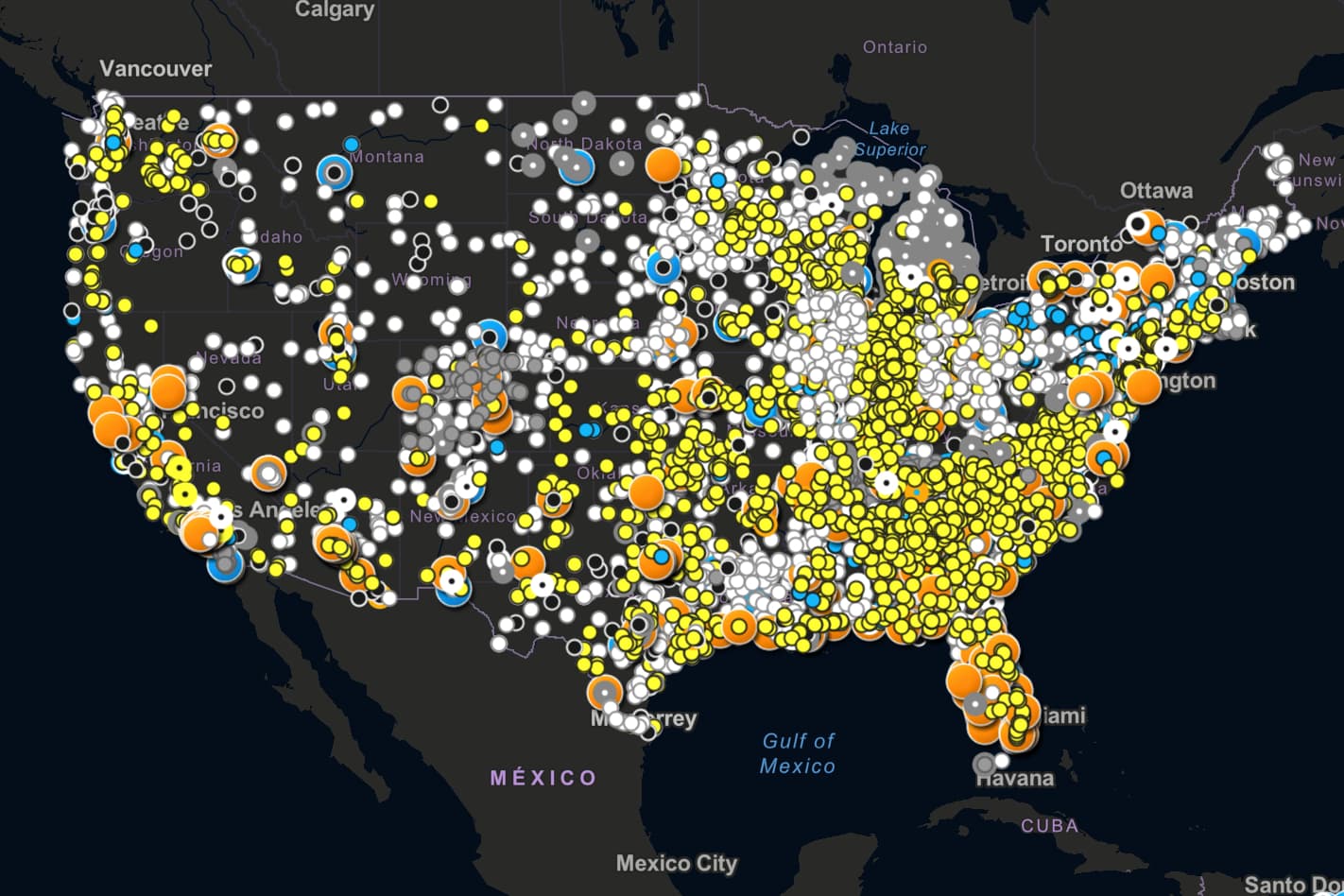
Automated license plate readers from Flock Safety now monitor thousands of neighborhoods across the United States, capturing the location of every passing vehicle. Yet most residents remain unaware of the cameras' precise positions, fueling debate over surveillance transparency.
A Growing Network of License Plate Readers
Flock Safety has deployed its solar-powered cameras across more than 5,000 communities since launching in 2017. Law enforcement agencies pay annual subscription fees for access to real-time alerts and searchable plate histories. The company says its technology helps solve violent crimes and locate missing people, but privacy advocates warn it creates a permanent record of everyone's movements.
Public Access Varies Widely
No federal law mandates disclosure of automated license plate reader locations. State policies differ sharply. California and Vermont require agencies to publish camera inventories. Texas and Florida treat those records as law enforcement sensitive, making them difficult to obtain through public records requests.
Several nonprofit groups compile unofficial maps by submitting Freedom of Information Act requests and collecting tips from local activists. These crowdsourced resources provide the best available picture of where Flock cameras operate, though coverage remains incomplete.
Privacy Concerns Intensify
Civil liberties organizations argue that mass vehicle tracking erodes anonymity in public spaces. Without court oversight, critics say law enforcement can effectively monitor anyone's travel patterns retroactively. A 2023 investigation by the Electronic Frontier Foundation found that some police departments shared Flook data with immigration enforcement agencies, raising further legal questions.
Proponents counter that the systems only capture plates, not drivers or passengers, and that data automatically expires. The company itself prohibits third-party sharing of its feed but cannot control how subscribing departments store or distribute the information.
Why This Matters
The spread of Flock cameras represents a shift toward continuous automated surveillance paid for by municipalities. Without uniform transparency rules, residents cannot fully assess the scale of monitoring in their own neighborhoods. New legislation in several states aims to close this gap by requiring impact assessments and public notice before deployment. For now, the burden falls on individuals to seek out information wherever they live.