Editor: Porcia Akua Holmes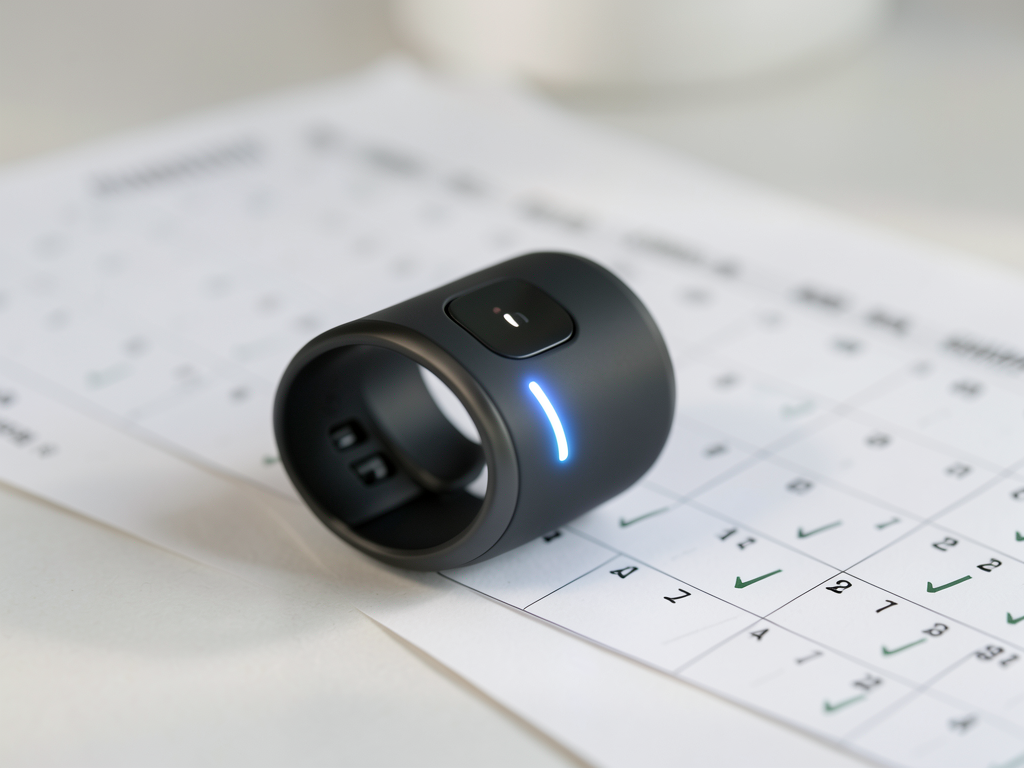
The wearable industry is shifting its focus from incremental feature updates to a singular priority: battery endurance. As users grow tired of daily charging, a cohort of devices now offers battery life measured in weeks rather than hours, reshaping how consumers evaluate activity trackers and smartwatches.
The Battery Endurance Trend
For years, wearable makers competed on display size, sensor counts and software integration. Battery life often took a back seat, with many flagship smartwatches lasting only a day or two. That equation is changing. A growing number of devices, particularly fitness bands and hybrid watches, now advertise battery endurance that rivals basic activity trackers from a decade ago.
This change is not accidental. Component makers have improved the efficiency of processors and sensors, while manufacturers have chosen to prioritize larger cells over ultra thin designs. The result is a new category of Wearable Gadgets With Unusually Long Battery Life that appeal to users who travel, sleep track or simply dislike charging gadgets.
Why This Matters
For consumers, longer battery life means wearables can serve as continuous health monitors without frequent interruptions for charging. This shift has practical consequences: users can wear devices during sleep for accurate rest analysis, rely on GPS for extended outdoor activities and reduce the daily device maintenance burden. For manufacturers, the focus on endurance may slow the upgrade cycle, as devices that last become harder to replace with incremental updates. The market now faces a tension between adding new features and maintaining multiweek battery performance.
Consumer Priorities in Transition
Buyers are increasingly factoring battery life into purchase decisions, sometimes above brand loyalty or ecosystem integration. According to recent surveys, more than 60 percent of wearable owners consider charging frequency a top frustration. Manufacturers that solve this problem gain a clear advantage over rivals that continue to emphasize thinness and always-on displays at the cost of endurance.
What to Expect Next
The trend toward longer battery life will likely accelerate as energy harvesting and low power communication technologies mature. Future devices may combine solar charging, ultra efficient Bluetooth and AI driven power management to push battery cycles even further.
As the wearable market matures, battery endurance stands out as the feature that may define the next generation of devices. The early adopters who once tolerated daily charging are now demanding more, and manufacturers are listening.