Senior Editor: Alan Agbele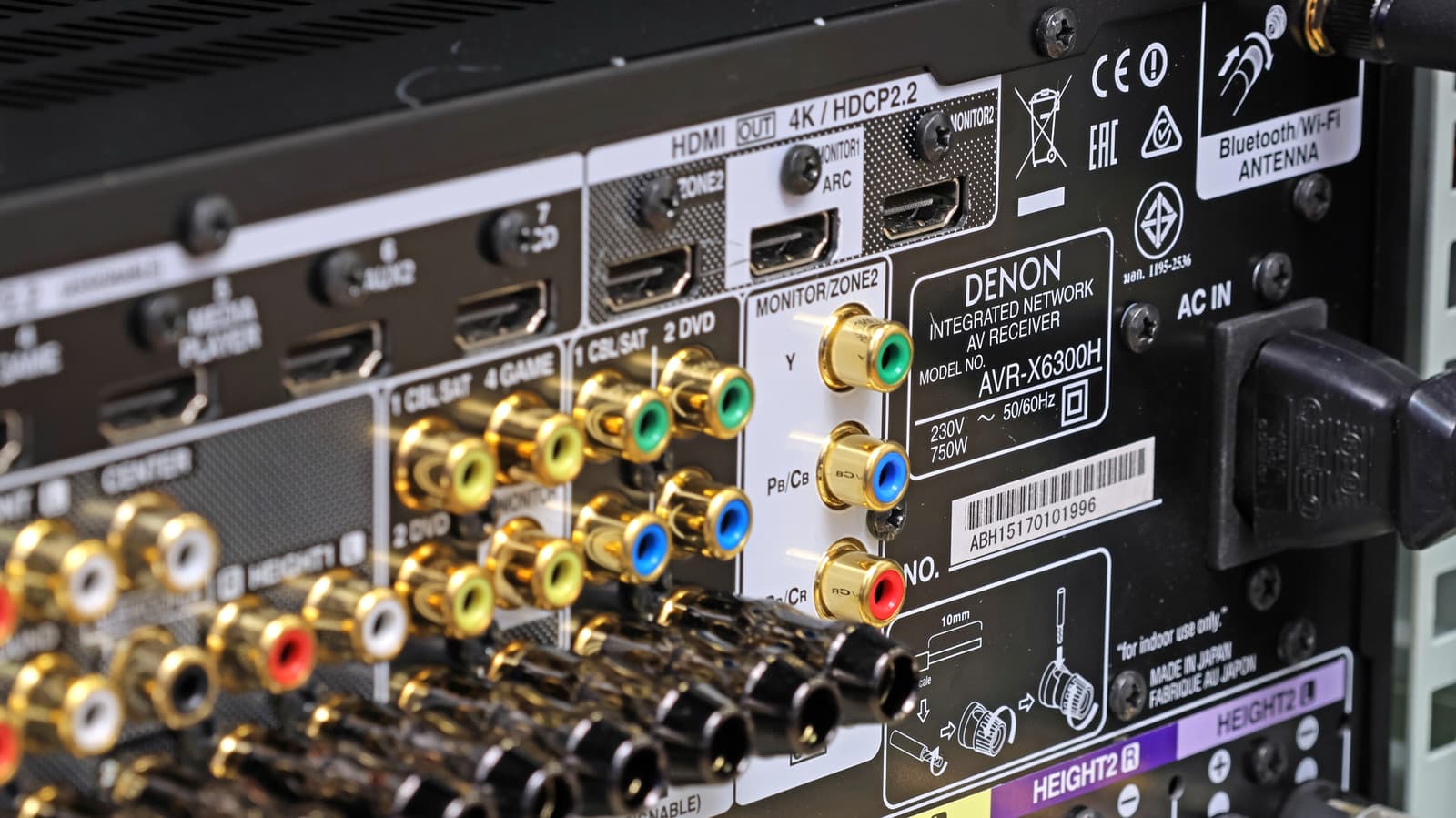
AV receivers have quietly evolved far beyond their traditional role as audio signal routers. Today's models pack capabilities that many owners never fully explore, including multi-room audio distribution, built-in streaming services and sophisticated sound tailoring tools.
Multi-Room Audio Without Extra Hardware
Multiple zones have become a standard feature on midrange and higher AV receivers. A single unit can power speakers in two or three separate rooms with independent source selection. One zone might play a vinyl record while another streams a podcast from a phone.
Streaming and Voice Control
Built-in network connectivity transforms the receiver into a smart speaker of sorts. Spotify Connect, Tidal, and Deezer integration lets users start playback directly from music apps. AirPlay 2 and Chromecast expand compatibility for iPhone and Android users. Voice assistants such as Alexa and Google Assistant are integrated into many current models for hands-free control.
Room Calibration and Custom Sound
Automatic room calibration systems such as Audyssey, Dirac Live, and YPAO measure speaker placement and room acoustics using the included microphone. These systems apply digital filters to correct for reflections, standing waves, and seating position. The result is tailored playback that optimizes sound for the specific space rather than relying on generic factory settings. Users can save multiple calibration profiles for different listening modes such as movies, music, and late-night low volume.
Why This Matters
These features effectively reposition the AV receiver as the central nerve center of home entertainment. For consumers, the practical impact is significant. A single device can replace a separate streaming box, a multi-room music system, and a separate smart speaker hub. The expansion into streaming and calibration means that even a modest receiver purchase delivers dramatically more value than the same investment from a decade ago. The trend pushes buyers toward fewer, more capable components rather than stacks of single-purpose boxes. This consolidation simplifies setups and reduces cable clutter.
The shift also pressures competing categories. Soundbars, wireless speakers, and streaming dongles now face a more capable rival that sits at the heart of wired home theater systems. Manufacturers who prioritize these smart receiver features gain a competitive edge as buyers seek integration over complexity.
What You Need to Know
Before choosing a receiver, look for native support for your preferred streaming services and voice assistant. Check that multi-zone outputs match your room layout. Room calibration is not a gimmick. It measurably improves sound quality in untreated rooms. These features make the modern AV receiver a smarter long-term investment than a collection of standalone devices.