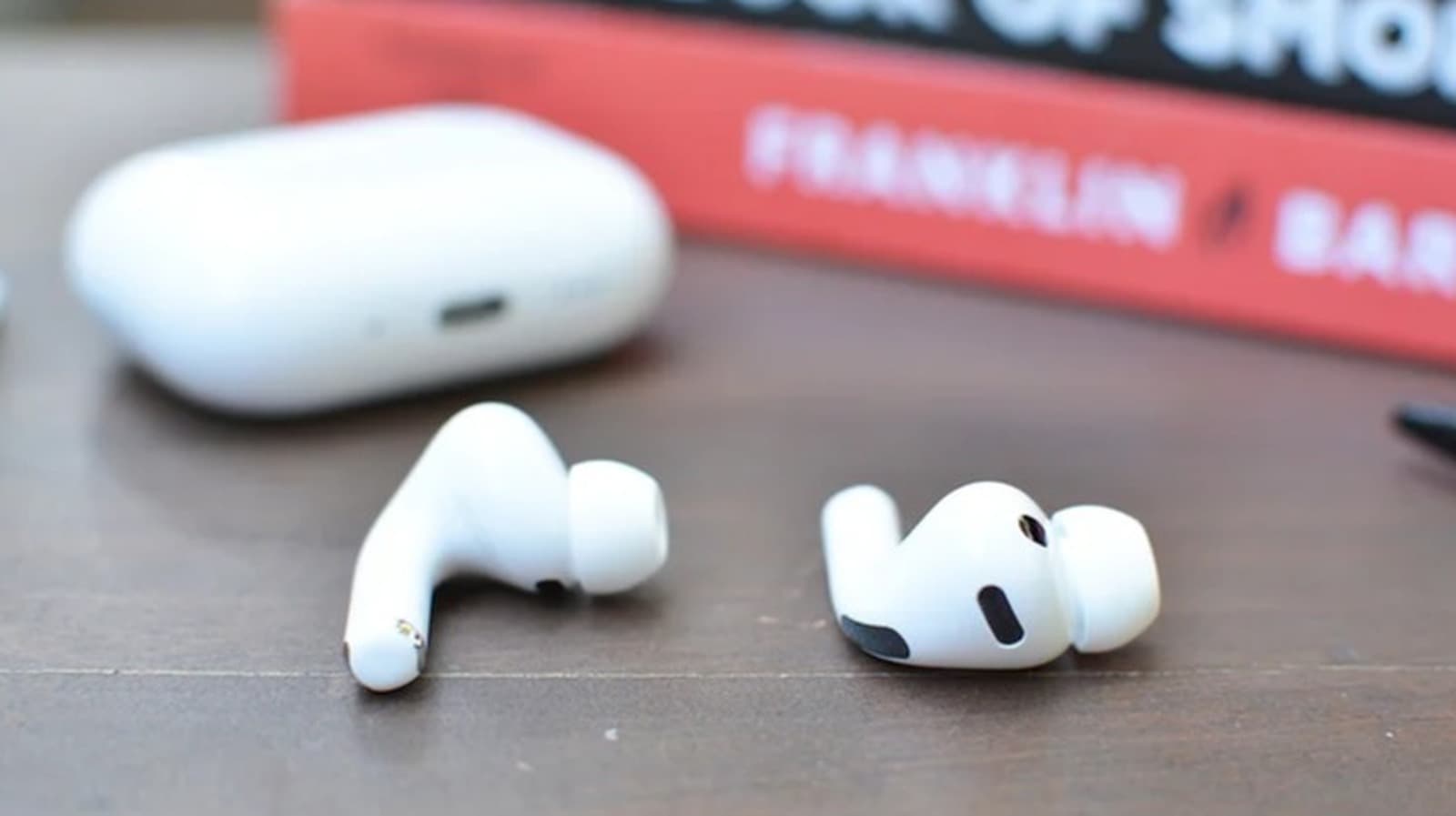
Apple is reportedly developing AirPods with built-in cameras. The feature could let users control the earbuds with hand gestures and enable visual AI tasks. But it also opens a troubling new front in the debate over always-on sensors in everyday devices.
According to Bloomberg, the cameras would be small infrared sensors similar to those in Face ID. They would not take photos or video. Instead, they would detect hand movements and surrounding objects to trigger actions like adjusting volume or answering calls.
That sounds convenient. But the prospect of cameras in earbuds worries privacy experts. Unlike phones or laptops, AirPods are always in or near ears. They could be recording or scanning the environment without clear user awareness.
What the Cameras Would Do
The cameras are meant to enhance Apple’s spatial audio and gesture control systems. A user could wave a hand to silence a call or point at a speaker to focus audio. The sensors would also help AirPods understand room layout for immersive sound.
Apple has filed patents describing camera-equipped earbuds that track eye movements and facial expressions. The company sees this as a step toward augmented reality without a headset. But each new sensor adds a potential privacy risk.
Why This Matters
The shift matters because it changes how we think about wearable privacy. Today, smartwatches track health data. Smart speakers listen for wake words. Camera-equipped earbuds would add a visual dimension to that always-on sensing.
Most people do not expect their earbuds to see. That mismatch between expectation and capability could erode trust. Even if Apple processes data on-device, the presence of small cameras in a widely worn device expands the surveillance surface.
Regulators may take interest. The European Union already probes tech companies over privacy. Camera-equipped AirPods could invite new scrutiny, especially if they operate without a clear visual indicator.
Unanswered Questions
Apple has not confirmed the project. If it moves forward, the company will need to design a clear physical indicator — like a glowing light — to show when the cameras are active. It will also need robust consent mechanisms.
Users will face a choice. The convenience of hands-free control versus the discomfort of being seen. For many, that trade-off may not feel worth it.
The broader trend is clear. Wearables are gaining sensors. The next frontier is visual. Whether society accepts cameras in earbuds will depend on how much trust remains in the companies that put them there.