Senior Editor: Alan Agbele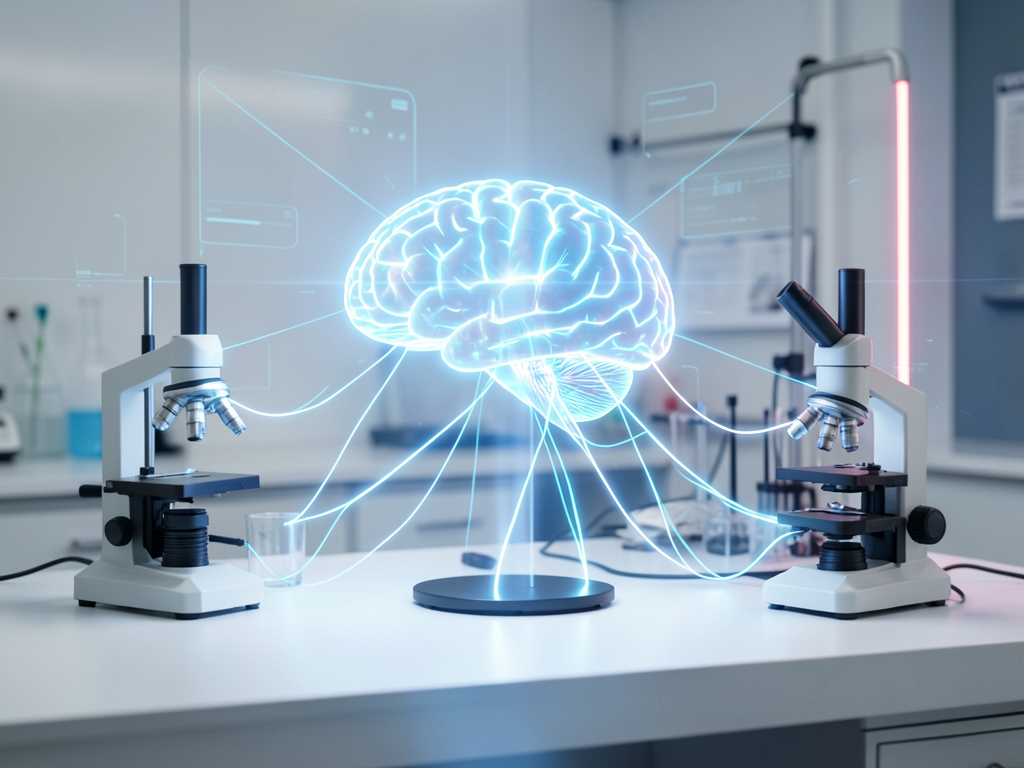
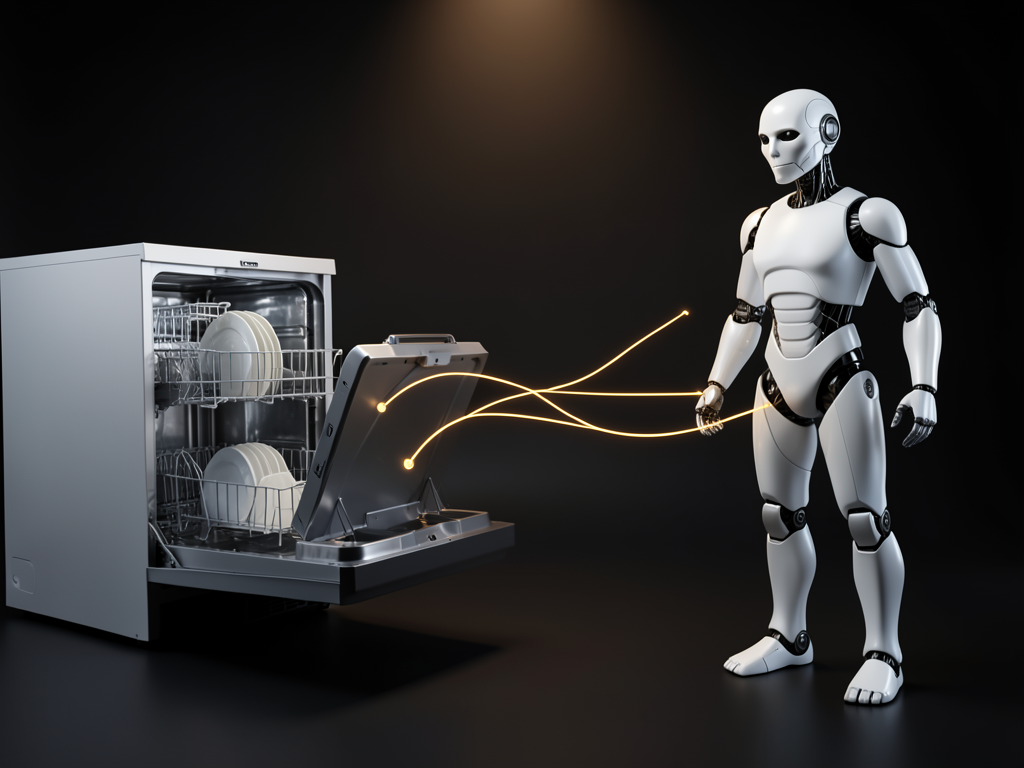
Anthropic has introduced a new hardware standard that extends the reach of AI agents beyond screens and servers into the physical world. The Model Hardware Standard (MHS), now available as a research preview, provides a common set of drivers that allows AI systems to directly control laboratory instruments and other physical devices without requiring custom software bridges.
Bridging the Digital and Physical Divide
Until now, most AI agent activity has been confined to text, images, code and other digital data. The MHS changes that by providing a unified interface for controlling physical equipment. Instead of writing custom integrations for each device, researchers can use MHS to let different instruments share data and commands across a network. Anthropic says this eliminates the need for a bespoke translator program between components.
For the first time, an AI agent can receive sensor readings from a microscope and then adjust a laser beam in real time, all through the same MHS interface. The system handles the translation between the agent's instructions and each device's native protocol. This approach could dramatically reduce the setup time for complex experiments that involve rotating lasers, cameras and other specialized hardware.
Inspired by a Neuroscientist's Work
The idea behind MHS came from observing real-world laboratory challenges. Anthropic Technical Staffer Alek Kemeny visited the HHMI Janelia Research Campus in Ashburn, Virginia, where neuroscientist Arco Bast had manually built an interface to coordinate rotating laser beams, microscopes and cameras for a memory formation experiment. Kemeny realized that the same concept could let an AI run any science experiment in the world.
Bast's custom solution inspired Kemeny to develop a generalizable standard. The result is a tool that not only automates existing workflows but also opens the door to AI-driven exploration of physical phenomena without human engineers having to rewrite code for every new device.
Why This Matters
The MHS represents a pivotal shift in how AI interacts with the physical environment. For research institutions, it could accelerate scientific discovery by removing the friction of hardware integration. Drug discovery, materials science and neuroscience labs could run many more experiments autonomously, freeing researchers for higher-level analysis.
On a broader scale, this standard brings AI agents closer to tasks like remote laboratory operation, manufacturing control and even environmental monitoring. However, giving AI direct control over physical equipment also raises safety questions. Anthropic has positioned the research preview as a starting point, inviting the community to help define safeguards. The long-term impact depends on how well the standard balances autonomy with reliability.
Early Applications and Next Steps
Anthropic envisions MHS being used initially in scientific settings where multiple devices must work in concert. The company has demonstrated the system coordinating several instruments simultaneously. Early adopters can expect:
Anthropic plans to refine MHS based on community feedback. The company is not yet charging for the standard, treating it as an open research effort. If successful, MHS could become a foundational layer for AI's expansion into the physical world, much as APIs enabled software integration.