Senior Editor: Alan Agbele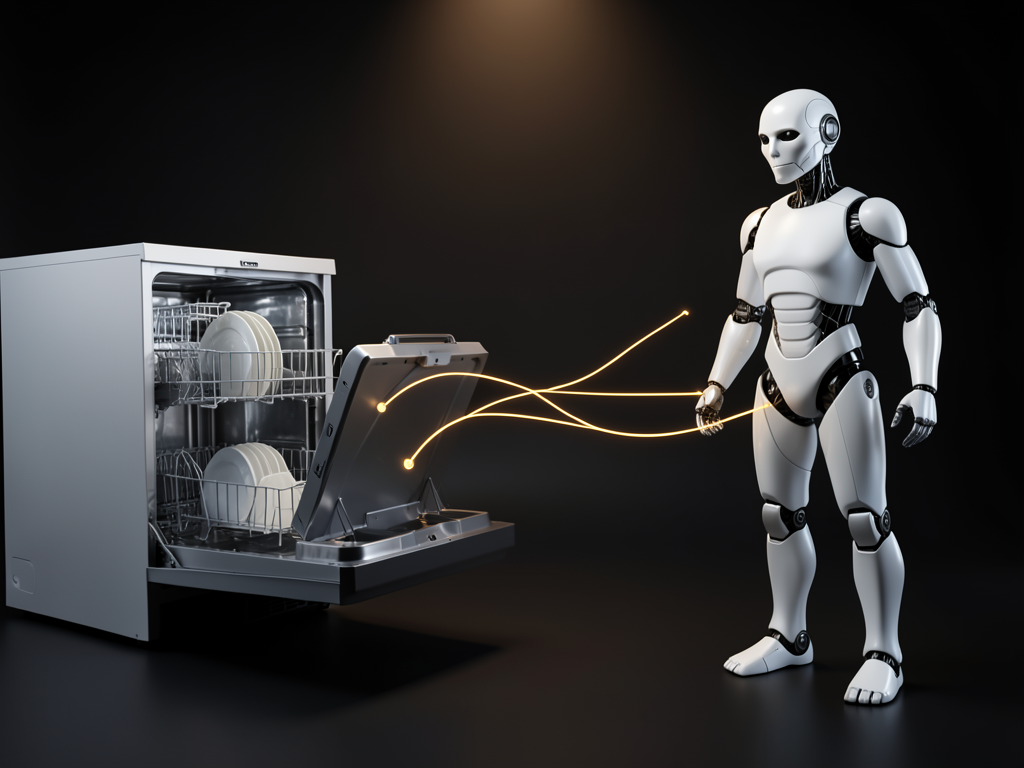
A provocative online essay argues that the word "robot" functions as a social construct rather than a strict technical category, and that most household appliances do not meet the criteria. The discussion has reignited a long-running debate among technologists, engineers and philosophers about what truly defines a robot.
The Debate Over Robot Definitions
At the heart of the controversy is a seemingly simple question: What is a robot? Engineers have long relied on functional criteria such as sensing, processing and actuation. Yet the essay proposes that these technical checklists miss a deeper truth: the label "robot" is applied inconsistently depending on context, marketing and social norms.
A dishwasher, for example, uses sensors, a controller and mechanical parts to clean dishes. It fits the functional definition many hobbyists accept. But few people call a dishwasher a robot in everyday conversation. The essay argues this gap reveals the social nature of the term.
The Social Construct Argument
The concept of a social construct in technology is not new. Scholars have described how categories like "artificial intelligence" shift over time as expectations and capabilities evolve. The essay applies this lens to robotics, claiming that the public and even professionals use the word "robot" to signal intelligence, autonomy or humanoid form rather than underlying mechanism.
Supporters of the social construct view point to examples such as cleaning robots, industrial arms and virtual assistants. Each is called a robot in some circles but not others. The inconsistency, they say, proves the label is a product of social agreement, not engineering taxonomy.
Why This Matters
The definition of "robot" carries real-world consequences. Regulation of autonomous systems, safety standards and liability laws often rely on whether a device qualifies as a robot. If the term is merely a social construct, policymakers may need to adopt more precise language to avoid loopholes and confusion.
Consumers, too, are affected. A machine marketed as a robot may set expectations about intelligence, reliability and capability that the device does not meet. Clear definitions could help the public distinguish between simple automation and truly autonomous systems. The debate also influences funding and research priorities, as grants and headlines favor projects labeled as robotics.
The essay itself, published with comments on Hacker News under the title "Why Your Dishwasher Is Not a Robot", has drawn hundreds of responses from engineers, hobbyists and philosophers. Many point out that the discussion reflects a broader uncertainty about how emerging technologies should be categorized and understood. The conversation is unlikely to end soon, but it highlights the value of questioning assumptions about even the most familiar terms in tech.