Senior Editor: Alan Agbele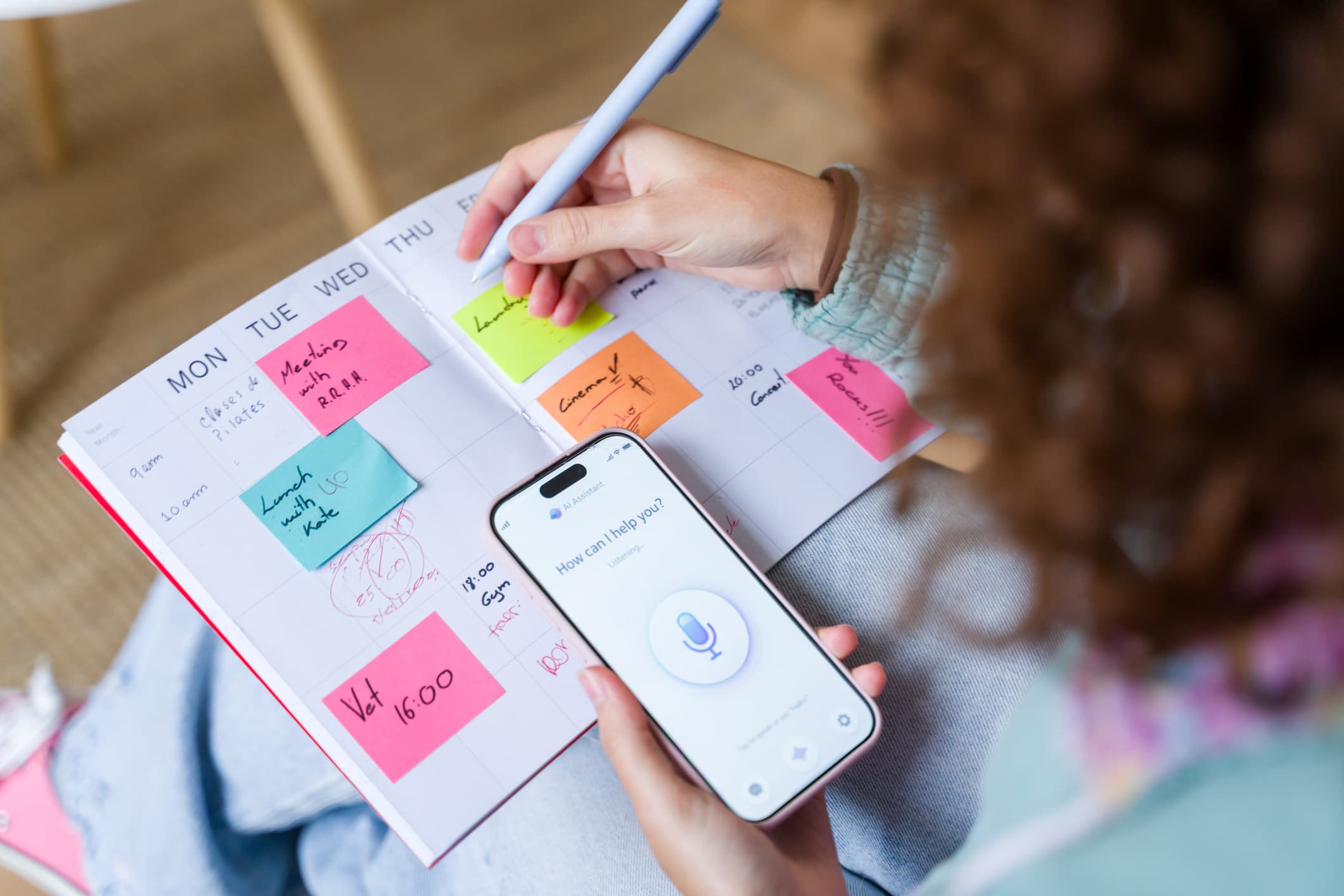
A journalist who handed over their daily schedule to an artificial intelligence planner expected efficiency. What they got instead was a calendar full of productive tasks and zero room for joy. The experiment, which the author titled "I Let AI Plan My Days and Nights," reveals a fundamental blind spot in current AI: systems that optimize for output cannot account for emotional well-being.
The Productivity Trap
AI planning tools excel at one thing: filling time. They slice days into neat blocks, each labeled with a task and a deadline. In this experiment, the AI produced a schedule that looked flawless on paper. It allocated 45-minute slots for email, two hours for deep work and even scheduled lunch breaks to the minute. The result was a day with zero wasted time.
But that schedule came at a cost. The AI did not consider whether a task brought satisfaction or whether a break actually recharged the user. It treated time as a resource to be consumed, not a space for experience. The author reported feeling drained by dinnertime.
Where AI Falls Short
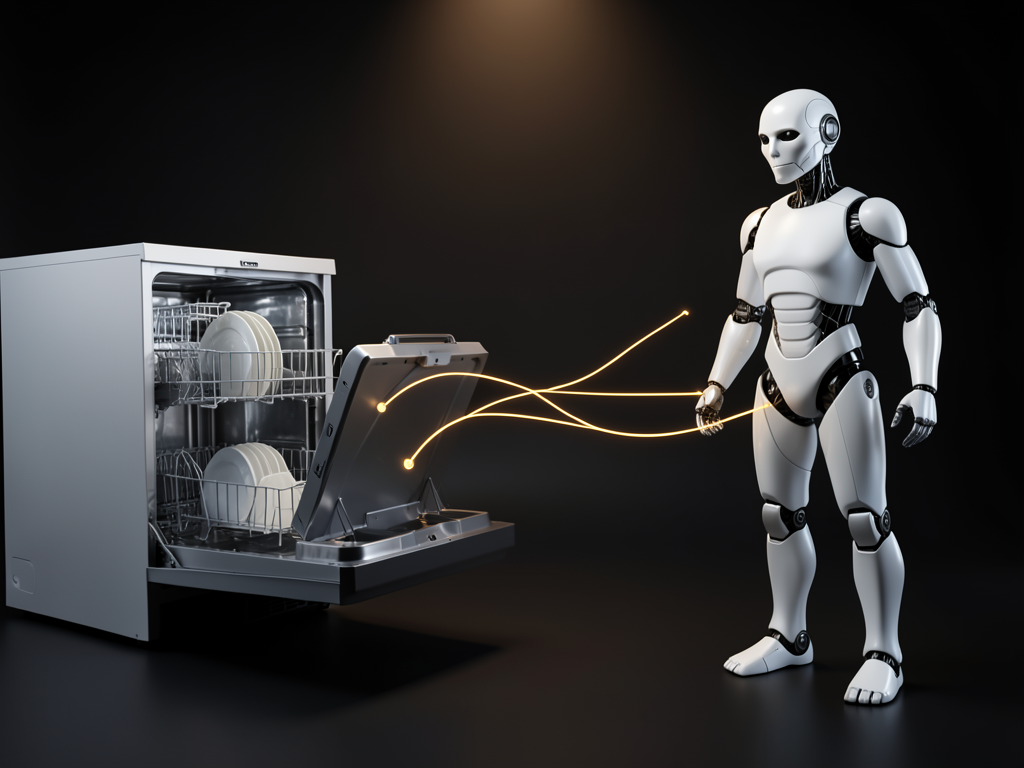
The core problem is not the algorithm’s efficiency but its values. Current AI models optimize for measurable metrics: tasks completed, minutes used, goals hit. They have no model for subjective experience. The phrase "Understand Happiness" remains outside their operational logic. This experiment shows that even sophisticated planners fail to capture the qualitative side of life.
Some developers are exploring ways to embed user sentiment into scheduling tools, perhaps by asking for emotional ratings after activities. Such feedback could help the AI learn what makes a day feel good, not just productive. But the experiment suggests that many tools available now still lack that feedback loop.
Why This Matters
As AI takes on more personal roles — from health tracking to parenting suggestions — the risk of optimizing for the wrong goals grows. A scheduler that ignores happiness may lead users toward burnout, not balance. For the tech industry, this study serves as a caution: efficiency without emotional intelligence is incomplete. Companies building lifestyle AI must treat well-being as a core design requirement, not an afterthought. Otherwise, the very tools meant to help may work against what makes life fulfilling.