Editor: Porcia Akua Holmes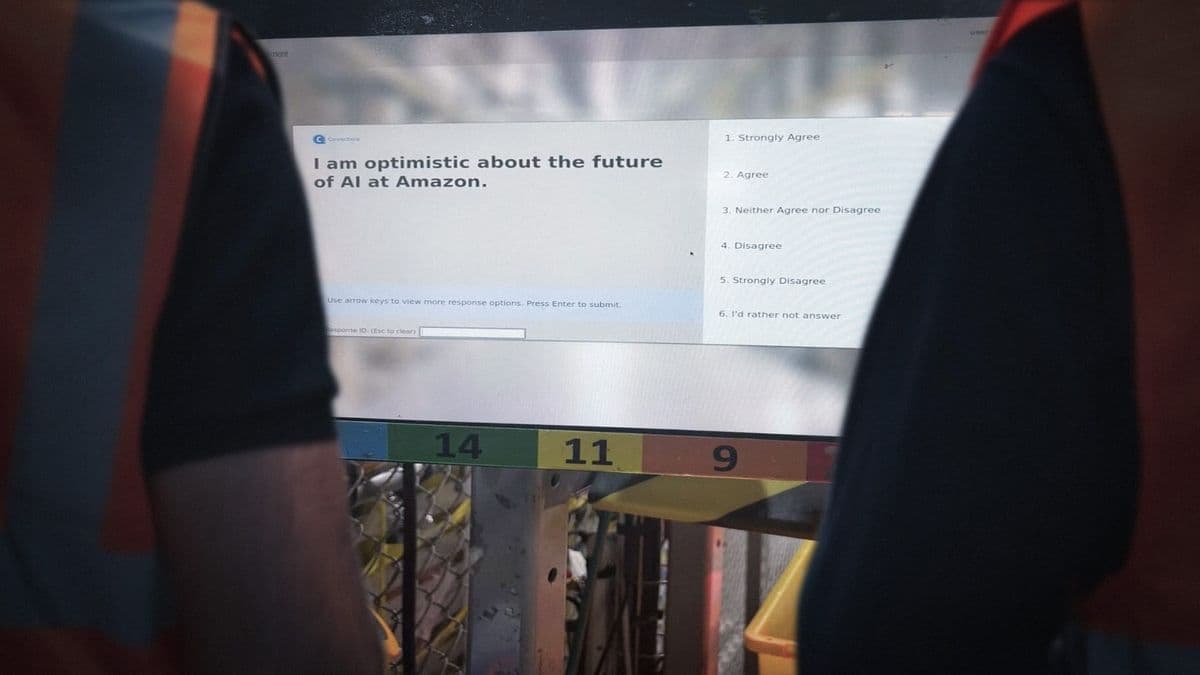
Amazon has built an artificial intelligence surveillance system designed to detect and monitor union activity inside its United Kingdom warehouses, according to reporting that surfaced this week. The system represents a significant escalation in how the company applies machine learning to workforce management.
How the System Works
The surveillance infrastructure reportedly combines camera networks, badge data and digital communication monitoring into a unified risk-scoring platform. Machine learning models analyze patterns that might indicate organizing activity among warehouse staff.
These systems go beyond simple video recording. They process multiple data streams in real time to flag what the company considers anomalous behavior.
The combination of these tools creates a comprehensive monitoring environment that labor advocates argue goes far beyond legitimate security needs.
The Regulatory Minefield
The United Kingdom's data protection framework, governed by the Information Commissioner's Office, imposes strict rules on employee monitoring. Employers must demonstrate lawful basis for processing personal data and conduct impact assessments for high-risk activities.
Algorithmic management systems face particular scrutiny under GDPR provisions that grant workers rights over automated decision-making. Amazon's system may fall into a regulatory grey zone if it influences employment outcomes without transparent human oversight.
A Growing Pattern Across Industries
Amazon is not alone in deploying workplace AI surveillance. Logistics companies, ride-hailing platforms and retail chains have invested heavily in similar technologies over the past five years.
The difference lies in scale. Amazon's global workforce exceeds one million people, giving any surveillance deployment outsized influence on industry norms and worker expectations worldwide.
Why This Matters
The implications extend well beyond Amazon's UK operations. If the company successfully normalizes AI-driven union risk monitoring without regulatory pushback, other employers will likely follow suit with less scrutiny.
Workers at Amazon facilities face a changed reality where their organizing activities may be predicted before they formally begin. This shifts power decisively toward employers who can act preemptively against collective action.
The case also tests whether existing UK labor and data protection laws can meaningfully constrain algorithmic management tools deployed by multinational corporations with vast legal resources.