Senior Editor: Alan Agbele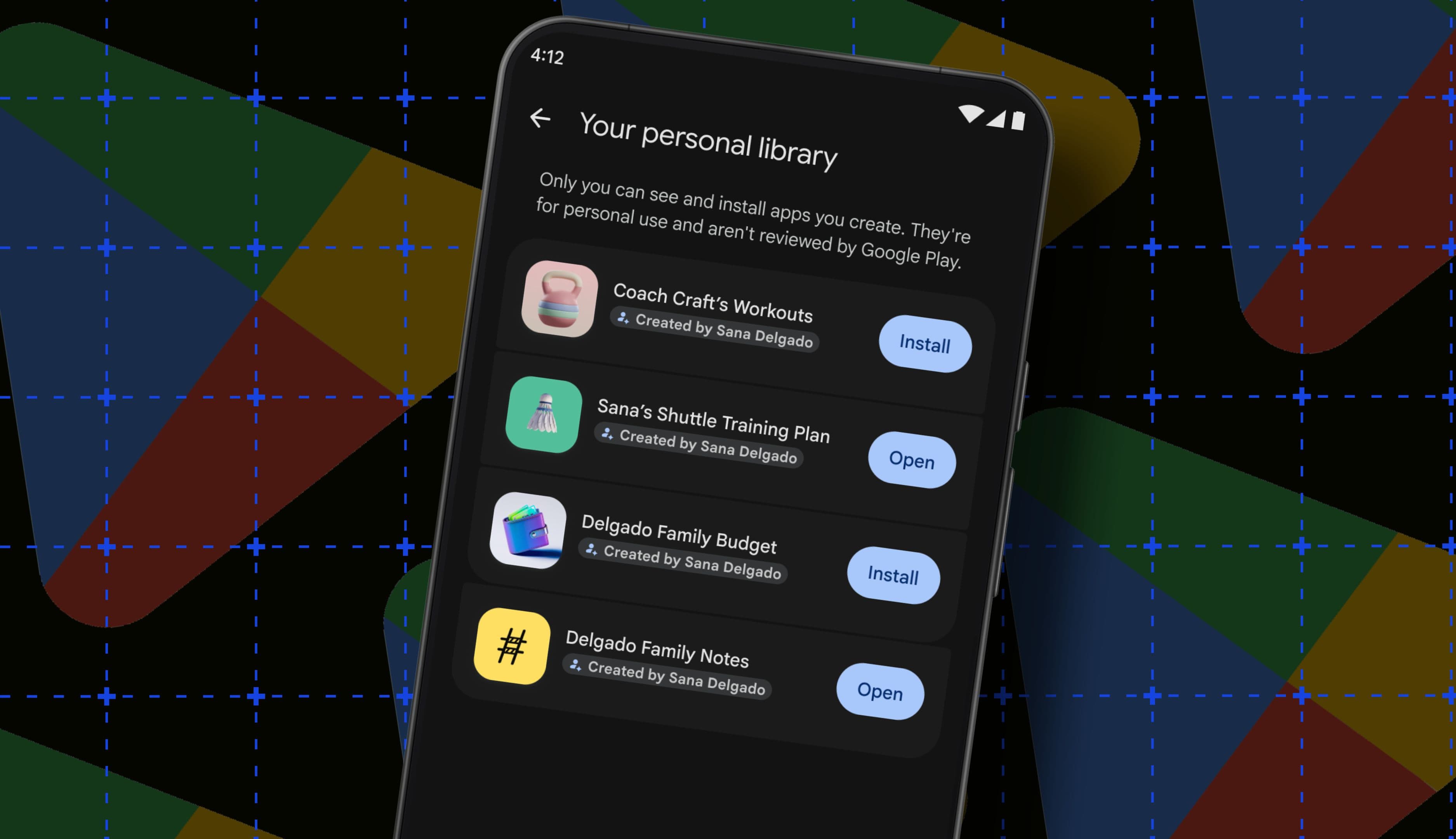
Google has removed the biggest barrier to Android app creation: the need to write code. The company now lets users generate personal Android applications for free using nothing more than text prompts, a move that collapses the distance between an idea and a working mobile tool.
From Prompt to Product: How It Works
The system, built by Google, interprets natural language descriptions and generates a working Android app package. A user might type "an app that tracks my daily water intake and sends a reminder every two hours" and receive an installable APK within minutes.
Unlike traditional no-code tools that rely on drag-and-drop interfaces, this approach uses large language models to translate intent directly into code. The resulting apps run natively on Android devices, not in a web wrapper.
What the Tool Can and Cannot Do
Early users report success with simple utilities: to-do lists, habit trackers, tip calculators and note-taking apps. More complex features like real-time multiplayer or advanced camera processing remain out of reach for prompt-only generation.
The generated code is basic but functional. It lacks the polish of professionally developed apps, and users cannot fine-tune performance or design beyond what the AI produces. For personal use, however, that trade-off may be acceptable.
Why This Changes the Mobile Development Landscape
For two decades, building an Android app required knowledge of Java or Kotlin, familiarity with Android Studio and an understanding of the platform's lifecycle. Google's new offering bypasses all of that. The implications stretch far beyond hobbyists.
Professional developers may see a shift in demand. Simple, single-purpose apps that once justified a freelance contract can now be generated for free. This could push independent developers toward more complex, high-value projects or toward maintaining and securing AI-generated code.
Google, meanwhile, gains a new pipeline of app creators who might eventually graduate to its paid developer tools and cloud services. The move also counters competition from third-party no-code platforms that have gained traction in recent years.
Risks and Limitations You Should Consider
Security is the most immediate concern. AI-generated code may contain vulnerabilities or request unnecessary permissions. Google has not detailed how it vets these apps or whether they undergo the same review process as Play Store submissions.
Data privacy is another issue. If a generated app stores personal information locally, that is relatively safe. If it transmits data to external servers, users may not know where that data goes or who can access it.
Why This Matters
The real impact is not free apps. It is the redistribution of who gets to build software. Google has handed a prototyping tool to millions of people who never had one, and that will change expectations inside companies and classrooms alike.
Professional developers will not disappear. Their work, however, will shift toward oversight, integration and the hard problems that prompt-based generation cannot touch. The next wave of Android innovation may come from unexpected places.