Editor: Porcia Akua Holmes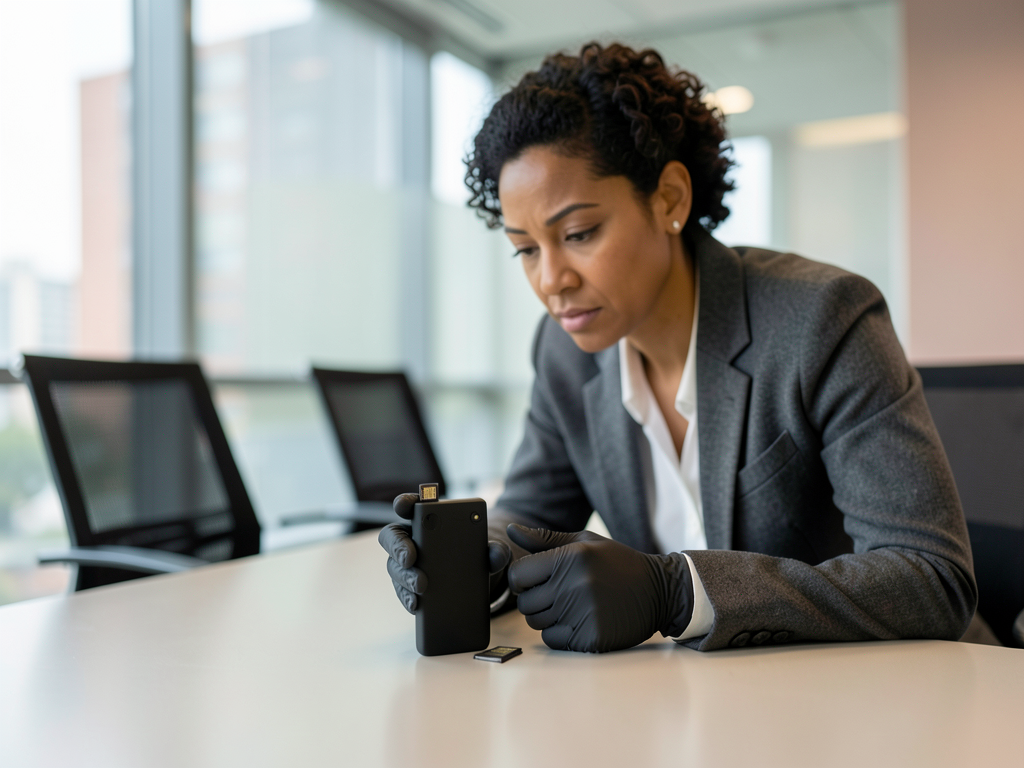
An OpenAI employee has been arrested following the discovery of a sophisticated recording device hidden inside an executive meeting room at the company's San Francisco offices. The device was found on or around September 30, and security teams determined it had been planted several days earlier.
Inside the Breach at OpenAI
The recording device was discovered in a meeting room used by OpenAI executives, according to the company. Security personnel attempted to extract data from the microSD card but were blocked by encryption, leaving the contents unreadable.
The employee was arrested in connection with the incident. OpenAI has not commented publicly on the specific charges or the employee's role within the organization. The company's security team is reportedly cooperating with law enforcement.
This is not the first time a major technology firm has faced internal surveillance concerns. However, the use of an encrypted recording device inside an executive meeting space represents a notable escalation in sophistication.
Why This Matters
The arrest signals a broader vulnerability for AI companies sitting on some of the most valuable intellectual property in the global economy. Unlike traditional tech firms, AI leaders like OpenAI hold proprietary model architectures, training data and strategic roadmaps that are directly tied to billions in market value.
For OpenAI, the incident raises uncomfortable questions about internal security protocols. The company must now assess whether the breach was isolated or part of a larger effort to exfiltrate sensitive information. Competitors and investors will be watching closely.
Employees across the AI industry may face stricter surveillance and access controls in the wake of this event. The balance between collaborative workspaces and airtight security is becoming harder to maintain.
What You Need to Know About Corporate Espionage in AI
Corporate espionage is not new, but the stakes in artificial intelligence are unprecedented. A single leaked model specification or training dataset can shift competitive advantage overnight.
Security experts note that insider threats are particularly difficult to detect because employees already have legitimate access to sensitive areas. OpenAI's response will likely involve a full review of its physical and digital security measures.
The incident also underscores the importance of encryption in both protecting and obscuring illicit activity. While encryption is a cornerstone of modern cybersecurity, it can also shield wrongdoers from detection.
The Road Ahead for OpenAI and the AI Industry
OpenAI is expected to tighten internal security and may implement new screening procedures for employees with access to executive areas. The company's reputation for innovation could be tested by perceptions of lax security.
Other AI firms, including Google DeepMind and Anthropic, may preemptively review their own protocols. The competitive nature of the field means that any breach, however small, can have outsized consequences.
For now, the arrested employee remains in custody, and the investigation continues. OpenAI has not indicated whether the device captured any sensitive information before it was discovered.