Senior Editor: Alan Agbele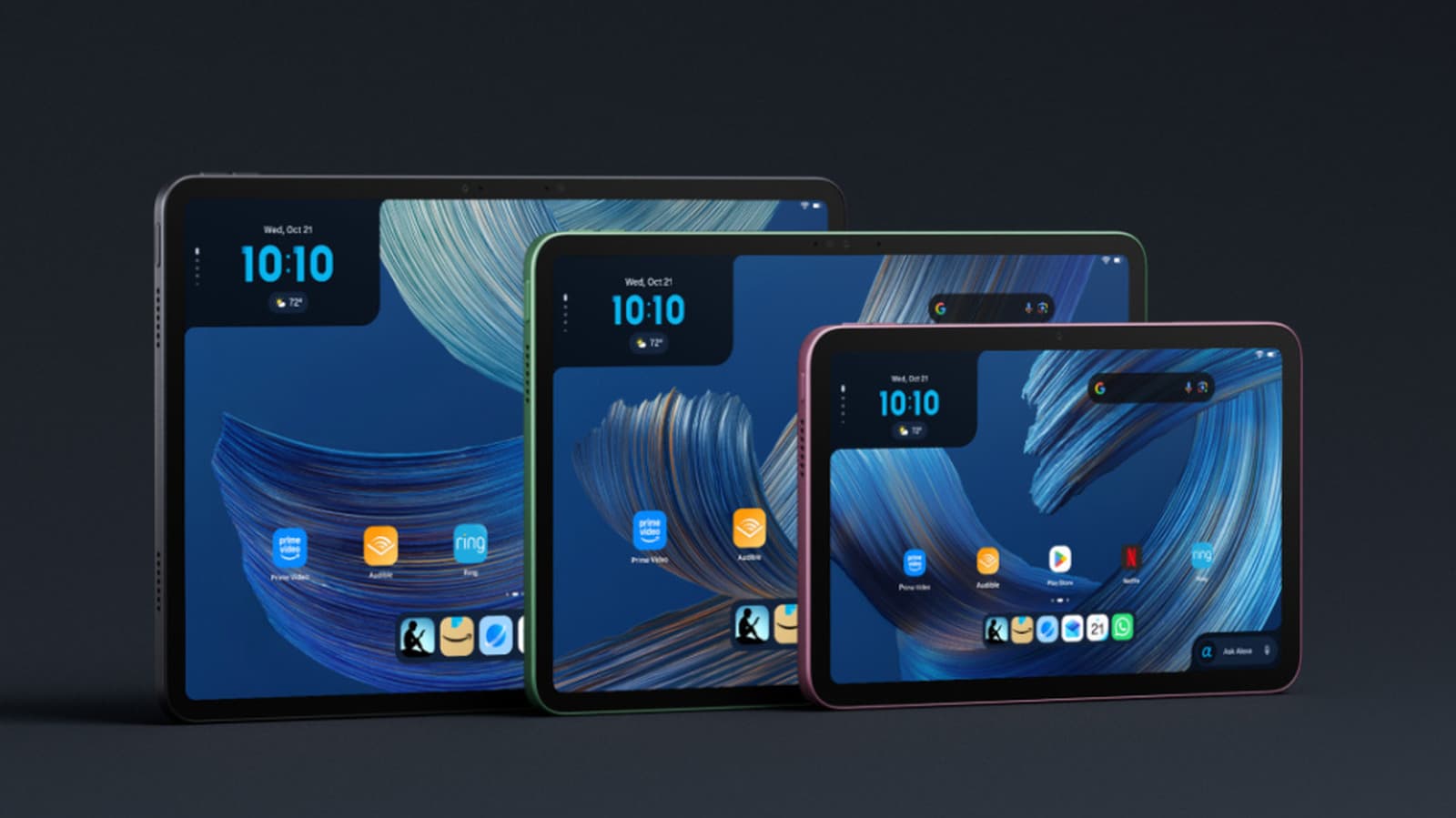
For years, budget shoppers bought Amazon tablets because the price was right, not because the hardware impressed. The company now has a more compelling argument. Its newer Alexa tablets lean heavily on the voice assistant and tie the device to a wider smart home ecosystem, giving the Fire line something closer to a genuine identity.
If Amazon's bet works, the tablet stops being a cheap media player and becomes the control surface for connected lighting, cameras, thermostats and entertainment systems. That is a meaningful change for a product line often criticized as a less capable alternative to Apple's iPad.
From Budget Screens to Home Hub Controllers
The original appeal of Amazon's Fire tablets was straightforward: They were cheap. The trade-offs, such as modest displays and a limited app store, were easier to accept when the price stayed low. Rivals from Apple and Samsung, meanwhile, dominated the premium end of the market.
The new Alexa-focused tablets shift that equation. Amazon is using its strength in voice computing to create a reason to buy that competitors cannot copy easily. Google has its own assistant ecosystem, but Amazon's Alexa installed base in homes remains one of the company's biggest assets.
What the Deeper Alexa Tie-In Changes
The integration goes beyond adding a microphone and speaker. The tablet's operating system now treats Alexa as a core layer, allowing hands-free control of routines, quick access to smart devices and tighter links with services like Amazon Music or video content through the Fire TV experience.
Why This Matters
Amazon's move is a direct response to a crowded market where tablets without a distinct purpose struggle. Apple sells the iPad on performance and ecosystem polish. Samsung sells Android flexibility. Amazon now sells something different: A tablet that disappears into the background of a connected home.
The bigger consequence is lock-in. Once a household builds routines around Alexa, switching platforms becomes costly, not just for the tablet but for every connected accessory tied to it. That dynamic benefits Amazon at a time when smart home growth depends more on software ecosystems than on individual gadgets.
What the Shift Means for Shoppers
Buyers no longer have to choose between rock-bottom pricing and useful features. The refreshed Alexa tablets make the Fire line relevant again in a segment where Amazon was beginning to look like an afterthought. If the assistant experience delivers on its promise, the cheapest route into a voice-controlled home may also become the most convenient one.