Senior Editor: Alan Agbele
The Acer ProDesigner PE160WUT brings together two features users want in a portable monitor: OLED panel technology and a 120 Hz refresh rate. Yet its matte anti-glare coating undercuts the very advantages that make OLED screens stand out.
OLED at 120 Hz in a Portable Package
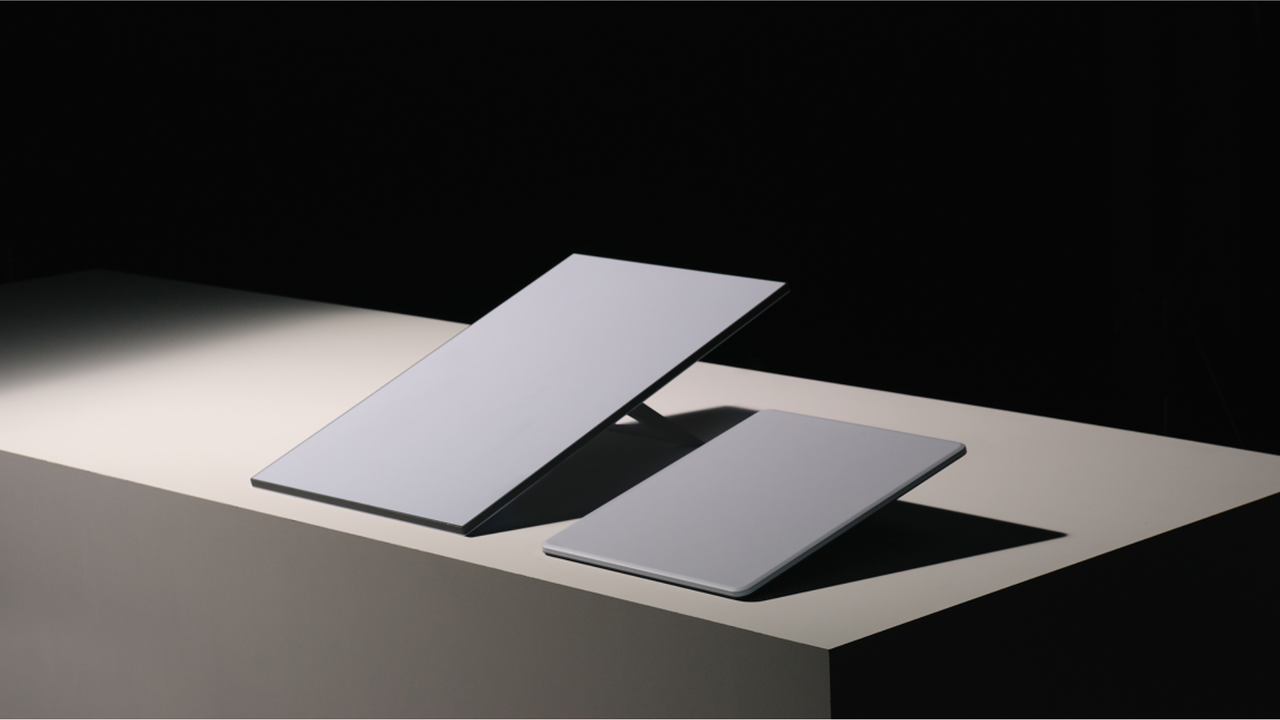
Portable monitors have become a common accessory for laptop users needing extra screen space on the go. Most models rely on IPS panels with standard 60 Hz refresh rates. The PE160WUT breaks from that norm. It uses a 15.6-inch OLED display that can hit 120 Hz. This makes motion look smoother and colors more vivid than typical portable screens. The monitor connects via a single USB-C cable, which handles both video and power. It also includes a built-in stand that supports both portrait and landscape orientation.
For professionals who edit video or photos on location, the OLED’s deep blacks and wide color gamut offer a clear improvement. Gamers, too, can benefit from the higher refresh rate when pairing the monitor with a powerful laptop. The combination of OLED and 120 Hz is rare in this form factor. Acer deserves credit for pushing the category forward.
The Anti-Glare Trade-Off
Despite those technical wins, the PE160WUT suffers from a design choice that limits its visual performance. The display uses a matte anti-glare coating. On many LCD screens this reduces reflections and makes the screen easier to view in bright rooms. On an OLED panel the same coating has a different effect. It diffuses the light from the self-emitting pixels. The result is a visible graininess or texture over the image. Fine text loses sharpness. Colors and contrast appear washed out compared to a glossy OLED screen.
This issue is not unique to Acer. Several portable OLED monitors use matte finishes to reduce glare in variable lighting. But the trade-off is severe. The coating robs the OLED of its signature punch and clarity. Users who buy the PE160WUT for its OLED panel may find the picture quality disappointing.
Why This Matters
Anyone shopping for a portable monitor should carefully consider the type of display coating. A glossy OLED delivers the full benefits of the technology: perfect blacks, vibrant colors, and high contrast. But it also reflects more light. A matte OLED is less reflective but sacrifices image quality. For professionals who need color accuracy and sharpness, the matte option can be a dealbreaker. For casual use in bright environments, the anti-glare coating might be acceptable.
The dilemma points to a broader challenge in monitor design. Manufacturers must balance portability, usability and performance. As OLED panels become more common in portable monitors, the coating choice will become a key differentiator. Consumers should test the screen in person or read detailed reviews before buying.
The Acer ProDesigner PE160WUT is a step forward in portable display specs. Its matte coating, however, means that step is not as big as it could be.