Results for "retrieval-augmented generation"
10 results found

The New Complexity of Large Language Models
Large language models are growing more complex with new architectures and techniques. This shift has implications for performance, interpretability, and the future of AI research.

Web Data Infrastructure Emerges as Critical Layer for AI Performance
AI's reliance on real-time data creates a new infrastructure need. A web data layer is emerging to deliver fresh, trustworthy information to models, addressing a key bottleneck.

Agent Harnesses Redefine Search With Functional Precision
Agent harnesses use functional analysis to improve AI search accuracy by constraining agent behavior with mathematical precision.

Data Management, Not Compute Power, Drives AI Value
Enterprises are learning that AI success depends on data management, not just compute power. A strategic shift in data center design is underway.

Pool App Takes on the Chaos of Screenshot Management
A new tool called Pool offers a smarter way to organize, search and declutter the endless screenshots on your devices, addressing a growing digital pain point.

Why Some Users Want Search Engines to Stop Thinking for Them
AI summaries in search results frustrate users who prefer traditional link lists. Critics argue search engines should retrieve information, not interpret it.

Amazon Deploys Warehouse Robots That Respond to Spoken Commands
Amazon has introduced warehouse robots that understand human language, allowing workers to give spoken instructions. The AI-powered machines mark a shift toward more interactive automation in logistics.
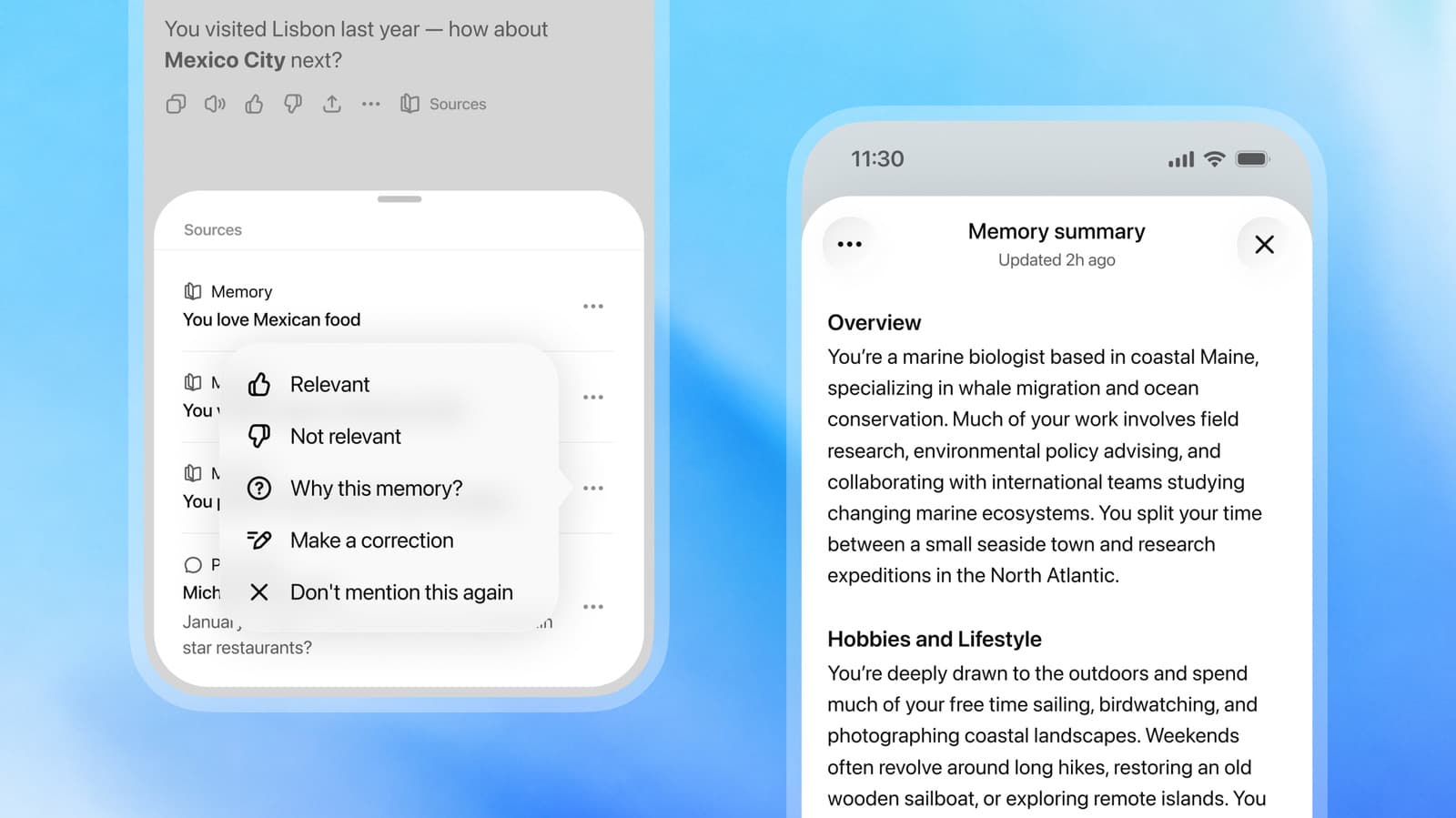
OpenAI Upgrades ChatGPT Memory for Free Users, Closing Gap With Paid Tiers
OpenAI improved ChatGPT memory, especially for free users. The chatbot now better retains conversation context across sessions. This closes a key gap between free and paid tiers.

Hermes Agent Brings Persistent Memory to Open-Source AI
A new open-source AI agent, Hermes Agent, introduces persistent memory, enabling long-term context retention across sessions. This development could reshape how developers build autonomous AI systems.

Google's AI Agents Signal End of Traditional Search as We Know It
Google is redefining search by letting AI agents proactively find information without user prompting. This shift could fundamentally change how we interact with the internet.