Senior Editor: Alan Agbele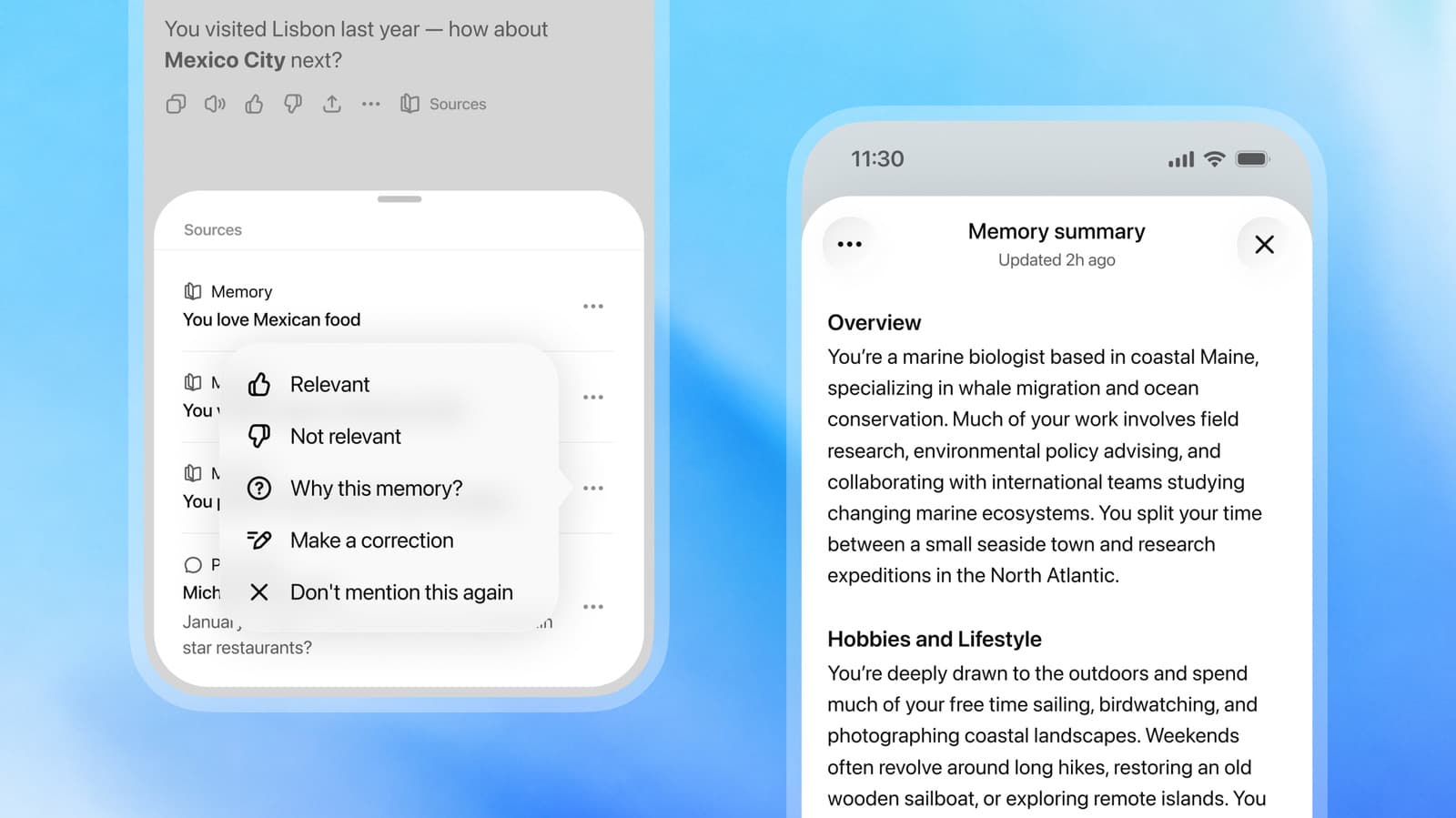
OpenAI has rolled out a significant upgrade to ChatGPT's memory system, with free-tier users seeing the biggest gains. The change means the chatbot can now retain and recall information across conversations more reliably, making interactions feel more personalized without requiring a subscription.
Memory Enhancements Across the Board
The upgrade improves what OpenAI calls the chatbot's dreaming architecture, the mechanism that stores and retrieves context between sessions. Free users previously had limited memory persistence, often losing details after a few exchanges. The new system allows the AI to hold onto preferences, past questions and even unfinished tasks for longer periods.
Paid tier subscribers also benefit from more accurate recall. But the gap between free and premium has narrowed considerably. OpenAI did not specify exact retention limits but said the improvements apply to all versions of ChatGPT.
Why This Matters
Memory is a critical feature for conversational AI. Without it, each session starts from scratch, forcing users to repeat context constantly. For millions of free users, the upgrade removes a major friction point. Tasks like planning a trip, researching a topic or drafting a document now feel seamless.
This change also signals OpenAI's strategy to expand its user base without aggressive paywalls. By improving the free experience, the company keeps users engaged within its ecosystem longer. It directly challenges competitors like Google Gemini and Anthropic's Claude, which also offer memory features but often limit them to paid plans.
What Changed Under the Hood
The technical improvement involves better management of short-term and long-term memory vectors. OpenAI refined how the model prioritizes which information to keep and which to discard. This reduces memory drift, a common problem where the AI forgets earlier details during long conversations.
Users will notice the upgrade automatically. No settings to toggle or prompts to enable. The system works in the background, updating memory as the conversation evolves. OpenAI said it will continue to refine the feature based on feedback.
The update is rolling out now across web and mobile platforms. It covers both GPT-3.5 and GPT-4 models, though performance may vary depending on the model used.