Senior Editor: Alan Agbele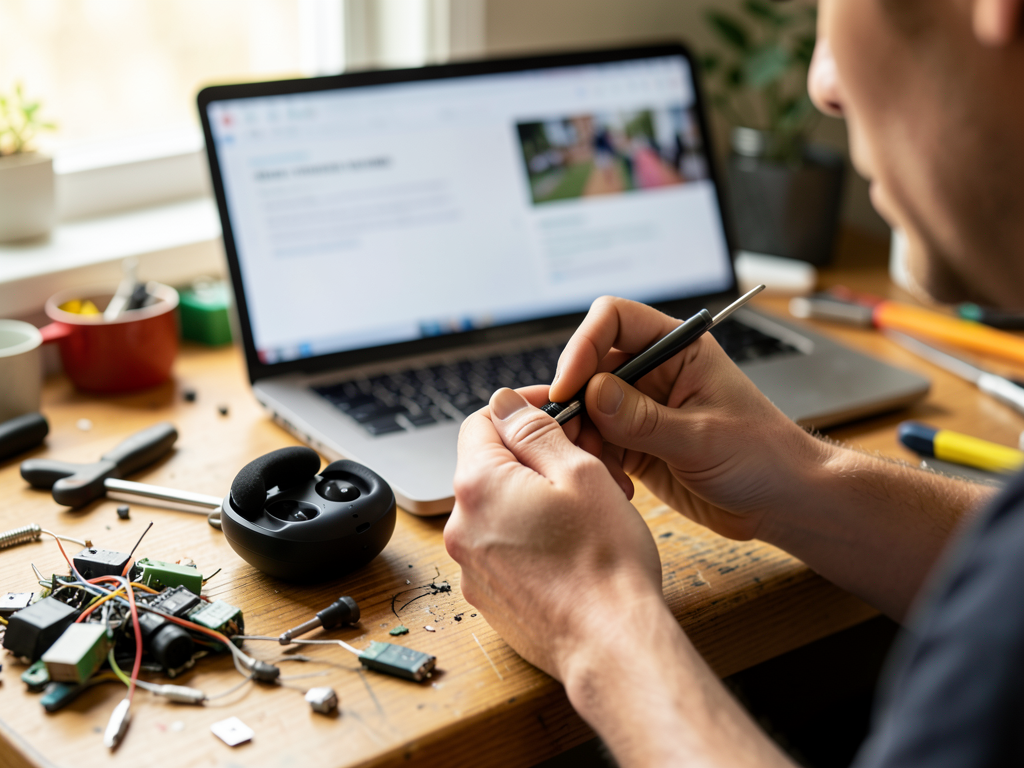
Millions of wireless headphones are thrown away each year, yet many of those devices could be fixed with simple tools and a bit of know-how. The European Union is now stepping in to make repairs easier, and a growing community of tech enthusiasts is proving that you can fix almost anything yourself.
The Scale of Electronic Waste
According to a European Union report, 51% of people kept old smartphones they no longer used in 2024, and 34% held onto outdated laptops. The problem is particularly acute for headphones. The BBC reported that seven million wireless headphones were discarded in the UK alone in 2022. Many of those devices, however, could have been repaired if owners had the right information and tools. From snapped charging cases to torn ear tips, the most common failures are often simple to fix.
How the EU Directive Changes Things
The European Union's repair directive obliges electronics makers to repair faulty goods or offer spare parts at a reasonable price. The rules also require manufacturers to provide tools so that third parties can perform repairs. Phone makers must fit readily removable batteries starting next year, and companies must publish repair manuals. There are exceptions: gadgets designed for wet use, including wearables and headphones, are not required to change. But the directive still covers a wide range of consumer electronics, and its influence extends beyond Europe because global brands often adopt uniform designs.
Why This Matters
The real impact of the right to repair movement will unfold over the next few years as manufacturers redesign products to meet EU standards. Consumers will benefit from lower repair costs and longer device lifespans, but the directive's exemptions mean that many popular gadgets like AirPods will remain difficult to fix. The shift could also create a market for independent repair shops, reducing the dominance of branded repair services. For the environment, the potential to cut e-waste is significant, but it requires a change in consumer behavior as well as regulation. The image of a landfill full of discarded electronics is a stark reminder of what is at stake.
The Role of DIY Repair Culture
Platforms like YouTube have become essential tools for the repair movement. A quick search yields tutorials for fixing everything from laptop screens to headphone jacks. The ethos of "you can literally fix anything if you watch enough YouTube" is gaining traction, with repair cafes and community workshops popping up across Europe. The tech industry, however, has been slow to embrace this trend. Some companies still look for loopholes, but brands like Fairphone have shown that repairable design is possible. The European Union's legislation provides a framework, but the real change will come from people choosing to fix rather than replace.