Editor: Porcia Akua Holmes
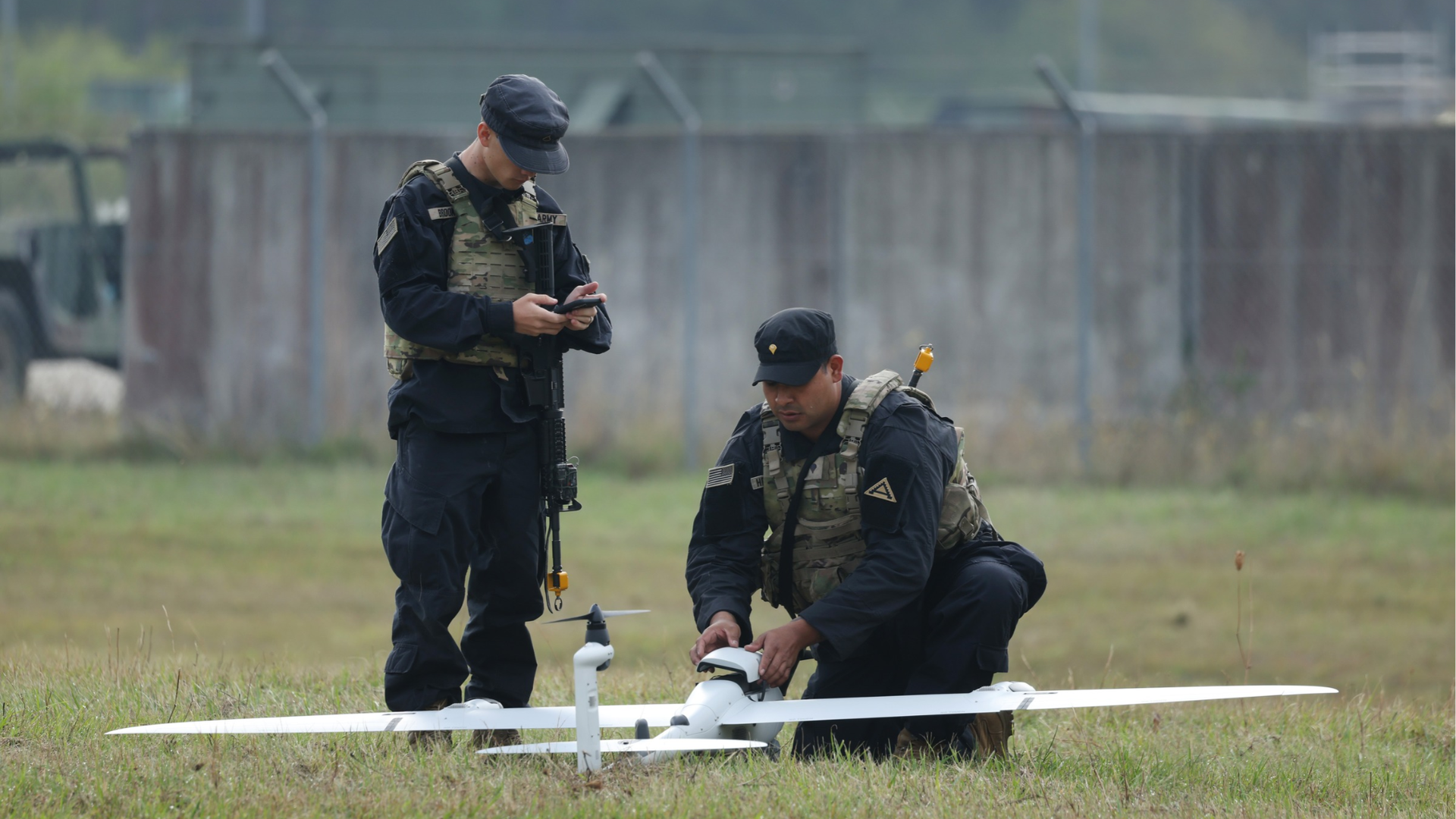
The US Army has flown a hybrid electric drone powered by a heavy-fuel rotary engine built largely through metal 3D printing. The test marks a step toward running military unmanned aircraft on the same kerosene-based fuel as ground vehicles and generators.
Why the Army Is Chasing a Single Fuel Source
The JP8 fuel used in the drone is part of a broader military push to power as much gas equipment as possible on one fuel type. A denser kerosene-based fuel can reduce total fuel load or extend mileage compared with standard jet fuel.
JP8, however, is less volatile and harder to atomize, which makes peak efficiency difficult to reach. Its flash point sits at 140 degrees Fahrenheit, against minus 40 for gasoline, so the engine needs much higher compression to ignite it. That compression requirement makes pressure leaks a common problem.
How 3D Printing Changed the Engine Design
Researchers at the Army Research Laboratory used computational fluid dynamics and a clean-sheet design to rethink the heavy-fuel rotary engine from scratch. The approach let engineers pursue more innovative solutions to extract more performance from less hardware.
Dr. Kweon, one of the ARL researchers, told Army.mil that advanced manufacturing, including 3D metal printing, allowed the team to rapidly redesign engine components based on lessons learned through experimentation. The same process let them design an air-cooled engine and drop a bulky liquid cooling system, shrinking the propulsion package.
Rapid iteration also improved fuel atomization and reduced compression leaks, two of the core obstacles that have long held back heavy-fuel engines in small aircraft.
A Hybrid Layout Without a Mechanical Link
The heavy-fuel rotary engine does not drive the drone's propellers directly. Instead, it spins a 400-volt motor-generator that produces electricity for the propeller motors, letting the engine run independently at its most efficient RPM.
The layout resembles some hybrid EVs on the road today, with one key difference: the engine has no mechanical link to the propellers. The system may include a battery so the drone can fly without the engine running, though the US military has not disclosed much about the VICTOR drone's battery configuration.
Why This Matters
The VICTOR flight points to a logistics shift more than an aviation milestone. A drone that runs on JP8 can refuel from the same supply chain as ground vehicles and generators, which simplifies planning for units operating far from airfields.
Air cooling and 3D-printed parts also change the maintenance equation. Fewer cooling components mean fewer failure points and less specialized servicing in the field, a meaningful gain for formations that cannot easily ship hardware back to depot.
The hybrid architecture gives commanders a quieter option as well. With a battery, the drone could cover large distances on a single fuel-up and potentially run on electric power alone for portions of a mission, reducing acoustic and thermal signatures.
For the defense industrial base, the signal is that rapid redesign through additive manufacturing is becoming practical for propulsion hardware. The Army Research Laboratory's clean-sheet approach suggests future military engines may be iterated in months rather than years, with performance tuned through experiment rather than long procurement cycles.
What Comes Next for Military Drone Propulsion
The Army has released video of the VICTOR drone's first flight, but key details remain undisclosed, including the battery configuration. Those specifics will shape how far the aircraft can fly on electric power alone and how much it depends on the engine.
Heavy-fuel rotary engines have long appealed to military planners because of their power density and simplicity. The ARL work shows that the traditional drawbacks, namely poor atomization and compression leaks, can be attacked directly with modern design tools and printed components.
If the approach scales, it could influence how the US Army specifies future unmanned systems: one fuel, fewer cooling parts and a propulsion chain built around generators rather than direct mechanical drive.