Senior Editor: Alan Agbele
The Texas governor result has become an unexpected stress test for AI stocks. Investors are now pricing in the possibility that a shift in state leadership could slow the data center buildout that has powered the sector's recent run.
Why Texas Became the Backbone of AI Infrastructure
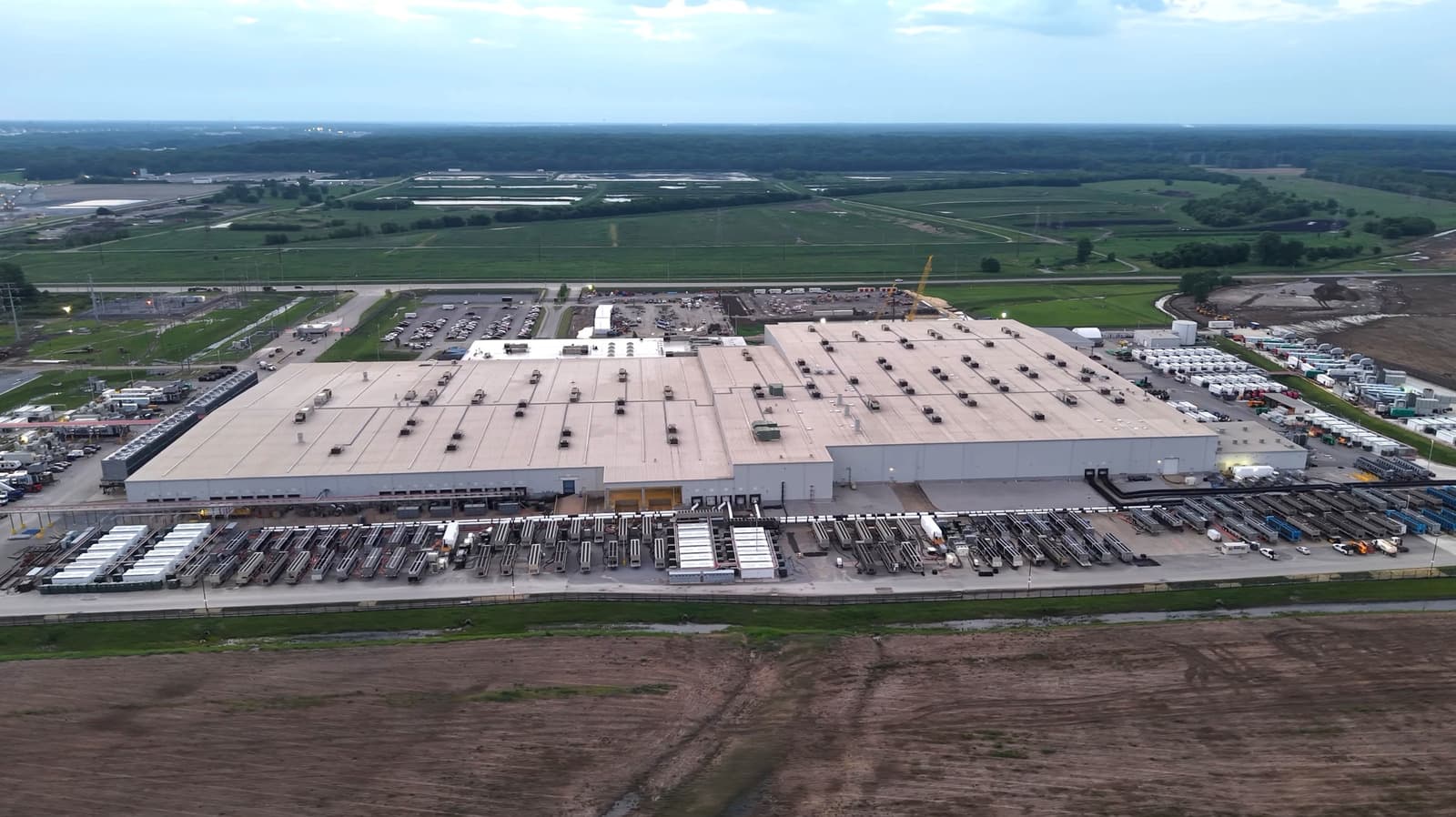
The state's appeal to hyperscale operators is not accidental. Texas offers an independent power grid, fast permitting for large industrial loads and a political culture that has generally welcomed energy-intensive development.
That combination turned the state into a magnet for the server farms that train and run large AI models. Any signal that this arrangement could change is enough to move markets.
How the Political Shift Reaches AI Balance Sheets
Data center economics depend on long-term certainty. Operators sign power purchase agreements and construction contracts that stretch years into the future, and they need to know the rules will not change midstream.
A new governor could revisit tax abatements, water usage rules or grid connection priorities. Each of those levers directly affects the cost of building and running AI compute capacity.
None of these changes are certain. The market, however, is not waiting for certainty before repricing the risk.
The Market Reaction and What It Reveals
The slide in AI stocks is less about the election result itself and more about what it exposes. Investors have been valuing AI companies on the assumption that infrastructure will keep expanding cheaply and quickly.
That assumption is now being questioned. When a single state-level political outcome can move a sector worth trillions, it suggests the market has been underpricing regulatory and political exposure.
Why the Selloff Is a Signal, Not a Verdict
The reaction is a warning about concentration. A large share of planned AI capacity sits in a handful of states, and Texas is at the top of that list.
Concentration cuts both ways. It made the buildout fast and efficient, and it now makes the sector vulnerable to local political change.
Why This Matters
The Texas governor result changes the risk calculus for anyone holding AI stocks or planning data center investments. Companies that have committed billions to the state now face a new layer of political uncertainty that did not exist before the vote.
For investors, the lesson is that AI is not just a technology story. It is an energy and land story, and those inputs are governed by state politics. Expect more scrutiny of where compute capacity is built and how exposed each company is to a single jurisdiction.
For the industry, the outcome may accelerate diversification into other states and countries. That shift would raise costs and slow timelines, which is exactly what the market began pricing in as the results came through.