Editor: Porcia Akua Holmes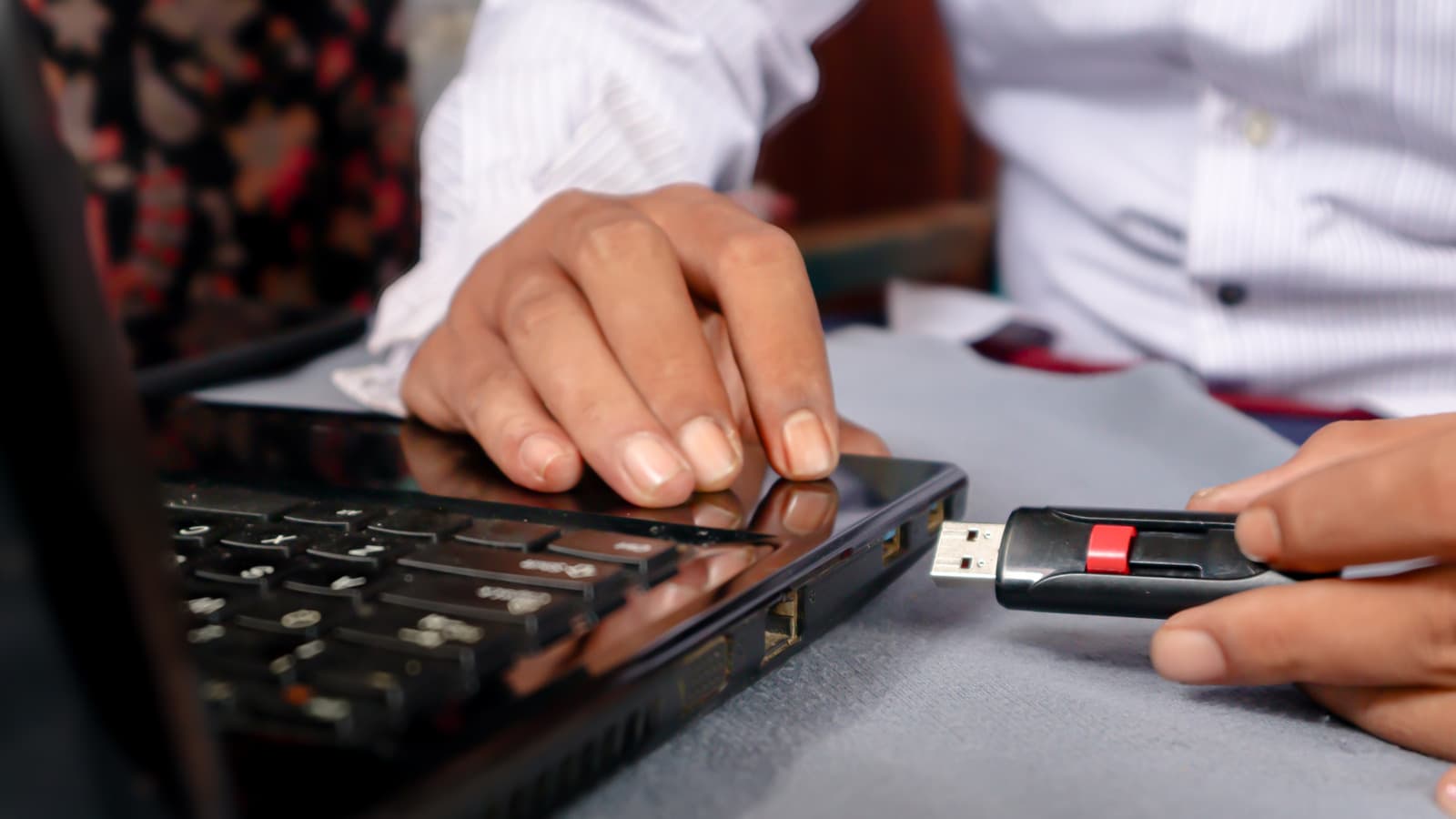
Content creators and professionals increasingly rely on wireless and cloud-based methods to transfer files between devices, a shift that eliminates the need for physical USB sticks. This evolution in data movement reflects broader changes in how people work across multiple devices, from smartphones to laptops to tablets.
The Shift Away From USB Sticks
USB sticks have long been a staple for moving files between devices, but their limitations are becoming more apparent. Physical drives can be lost, damaged or infected with malware. They also require compatible ports, which are disappearing from modern laptops and tablets. The move toward wireless alternatives addresses these pain points directly.
Methods like those described in 'Easy Ways To Move Files Between Devices Without A USB Stick Transferring' have become essential for creators who record on one device and edit on another. The demand for seamless, fast and secure transfers has driven innovation across the tech industry, with operating systems and third-party apps now offering built-in wireless sharing features.
Common Wireless Transfer Methods
Several approaches have emerged as replacements for USB sticks, each suited to different scenarios. The most widely adopted methods include:
Each method has distinct advantages. Cloud storage provides persistent access and backup, while local sharing offers higher speeds for large files and works without an internet connection. Direct connections are ideal for one-off transfers between devices that are physically close.
Why This Matters
For content creators, the ability to move files quickly and reliably between devices directly impacts productivity and creative workflow. Recording high-resolution video on a camera and editing on a laptop requires frequent, large file transfers. USB sticks introduce bottlenecks and risk of data loss. Wireless methods reduce these friction points, enabling faster turnaround times and fewer interruptions.
Businesses and professionals handling sensitive data also benefit from the added security of encrypted local transfers compared to physical drives that can be misplaced. The trend toward wireless file transfer is part of a larger move toward seamless, multi-device ecosystems that prioritize user experience and data integrity.
Practical Considerations for Users
Adopting wireless file transfer methods requires some initial setup. Users must ensure devices are on the same network or have compatible software installed. Transfer speeds vary based on Wi-Fi quality, file size and the protocol used. For large video files, local network sharing often outperforms cloud uploads, which depend on internet bandwidth.
Security remains a concern. Cloud services encrypt data in transit and at rest, but users must trust the provider. Local sharing over Wi-Fi can be secured with network passwords, while direct connections are generally isolated from outside access. The choice ultimately depends on the user's specific needs for speed, convenience and privacy.
As devices continue to shed physical ports, the reliance on USB sticks will likely diminish further. The industry is moving toward standardized wireless protocols that promise faster, more reliable file transfers, making the shift from USB sticks a natural progression for modern computing.