Editor: Porcia Akua Holmes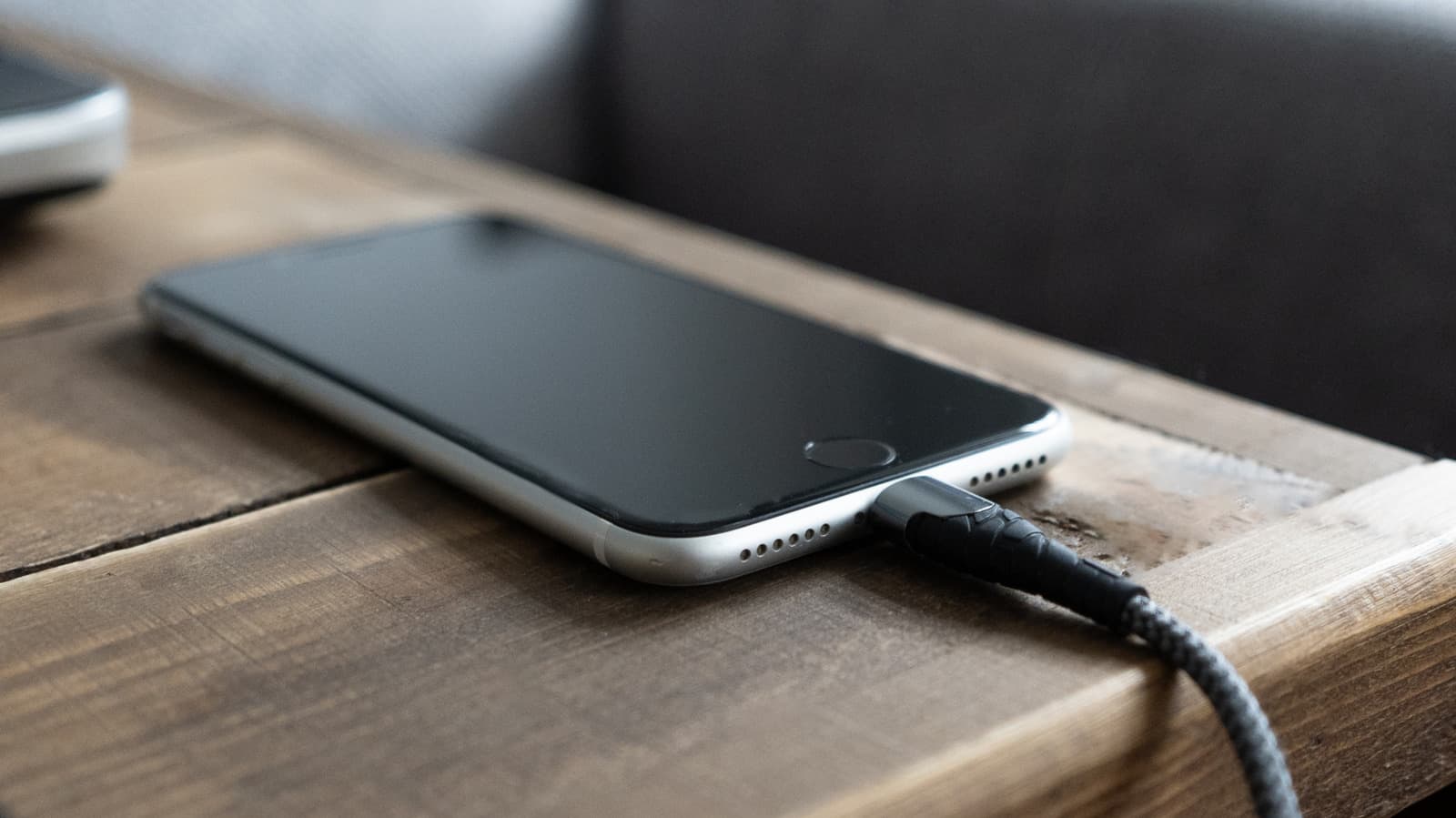
Smartphone users have long debated whether a longer charging cable cuts down charging speed. The question, "Does A Longer Cable Actually Make Your Phone Charge Slower," has a scientific answer that surprises many. While cable length does increase electrical resistance, the effect on everyday charging is far smaller than most people assume.
The Physics Behind Cable Resistance
The relationship between cable length and resistance follows Ohm's law. A longer cable means more wire for electrons to travel through, which increases resistance and causes a slight voltage drop. This drop can reduce the power delivered to the phone. However, the resistance added by an extra few feet of copper wire is tiny compared to the resistance in the charger's internal circuitry and the phone's battery management system.
For example, a typical USB-C cable rated for 3 amps has a resistance of roughly 0.1 ohms per meter. A 2-meter cable adds only 0.2 ohms, which at 3 amps results in a voltage drop of 0.6 volts. Most fast chargers output 5, 9 or 20 volts, so a 0.6-volt loss is a fraction of a percent of total power.
Real-World Impact on Charging Speed
In controlled tests, the difference between a 1-meter and a 3-meter cable charging a modern smartphone is often less than a minute over a full charge cycle. The human eye cannot perceive that difference. The biggest factors that actually slow charging are:
Why Cable Quality Matters More Than Length
The internal construction of a charging cable has a much larger effect on performance than its length. Cables designed for fast charging, such as those supporting USB Power Delivery or Qualcomm Quick Charge, use thicker conductors and better shielding. A cheap, thin cable that is only 1 meter long can perform worse than a high-quality 3-meter cable.
Consumers often blame length when the real culprit is a cable that cannot handle the current required by fast charging. The USB-IF certification program helps identify cables that meet minimum standards, but many uncertified cables flood the market. A longer certified cable will almost always outperform a shorter uncertified one.
Why This Matters
This debate matters because it affects how consumers spend money and choose accessories. Believing that longer cables always slow charging leads people to buy shorter cables unnecessarily, limiting their convenience. A 6-foot or 10-foot cable can be far more practical for bedside use or reaching a distant outlet, and users should not fear a performance penalty.
For the industry, the focus on length distracts from the real issues: cable certification, gauge standards and charger compatibility. As smartphone batteries grow and fast charging becomes ubiquitous, manufacturers need to educate customers on what truly affects charging speed. The answer to the question is clear: a longer cable, if properly built, will not make your phone charge slower in any meaningful way.