Editor: Porcia Akua Holmes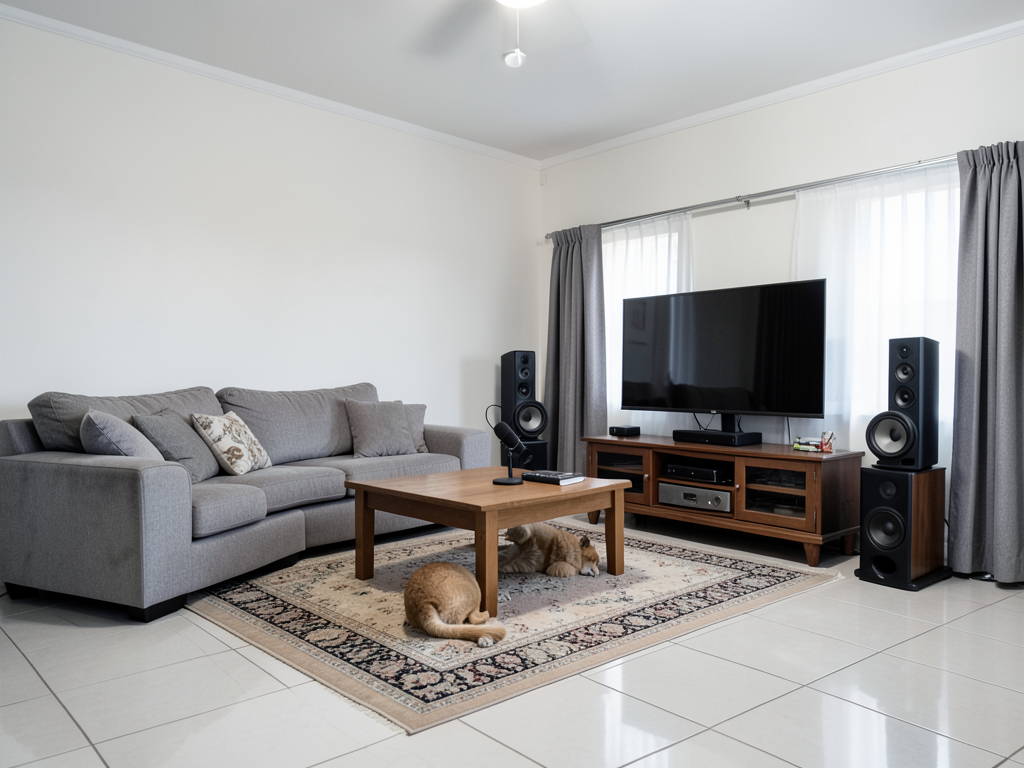
Investing in a surround sound system can transform a home theater, but common setup errors often leave users with disappointing audio. Whether you are a first-time buyer or upgrading an existing system, certain habits can undermine performance more than you might expect.
Speaker Placement Mistakes That Drain Sound Quality
The most common error involves mounting surround speakers too high or too far behind the listener. Home theater experts recommend keeping tweeters at ear height or slightly above for consistent sound staging. Front speakers should form an equilateral triangle with the main listening spot. A setup that ignores these guidelines can make dialogue feel muffled and effects lose directional precision.
Room Acoustics and Calibration Oversights
Even well-positioned speakers can sound bad in a room full of hard surfaces. Bare walls, tile floors and large windows create reflections that blur soundtracks. The fix does not require professional treatment: thick curtains, a rug and upholstered furniture absorb excess echo. Many receivers offer automatic room calibration (like Audyssey or Dirac) but users frequently skip the included microphone or run the process with fans or pets in the room. That introduces measurement errors that the system cannot correct.
In addition, leaving audio settings on default modes meant for compressed streaming content can flatten dynamic range. Switching to a direct or pure audio mode bypasses extraneous processing and delivers the signal as the content creator intended.
Why This Matters
As streaming services expand object-based formats like Dolby Atmos, the gap between a properly tuned system and a casually placed one grows. Consumers who spend thousands on hardware risk hearing only a fraction of the intended experience. Manufacturers increasingly rely on software correction to compensate for user error, but no algorithm can fix a speaker shoved into a corner or blocked by furniture. For home theater enthusiasts, understanding these fundamentals turns a good system into a great one without spending extra money. The difference is not subtle: it can separate the feeling of watching a movie from feeling inside it.
What To Do Instead
For those looking to improve their setup without starting over, focus on three actions. First, run the receiver’s calibration tool in a quiet room with the microphone at ear level. Second, experiment with subwoofer placement by doing a subwoofer crawl: put the sub at the listening position and move around the room to find where bass sounds most even. Third, treat reflective surfaces near the front speakers before adding more speakers. Many users discover that fixing these basics gives more impact than upgrading components. The phrase “things to stop doing if you have surround sound” encapsulates this mindset: avoid common pitfalls before chasing new gear.