Senior Editor: Alan Agbele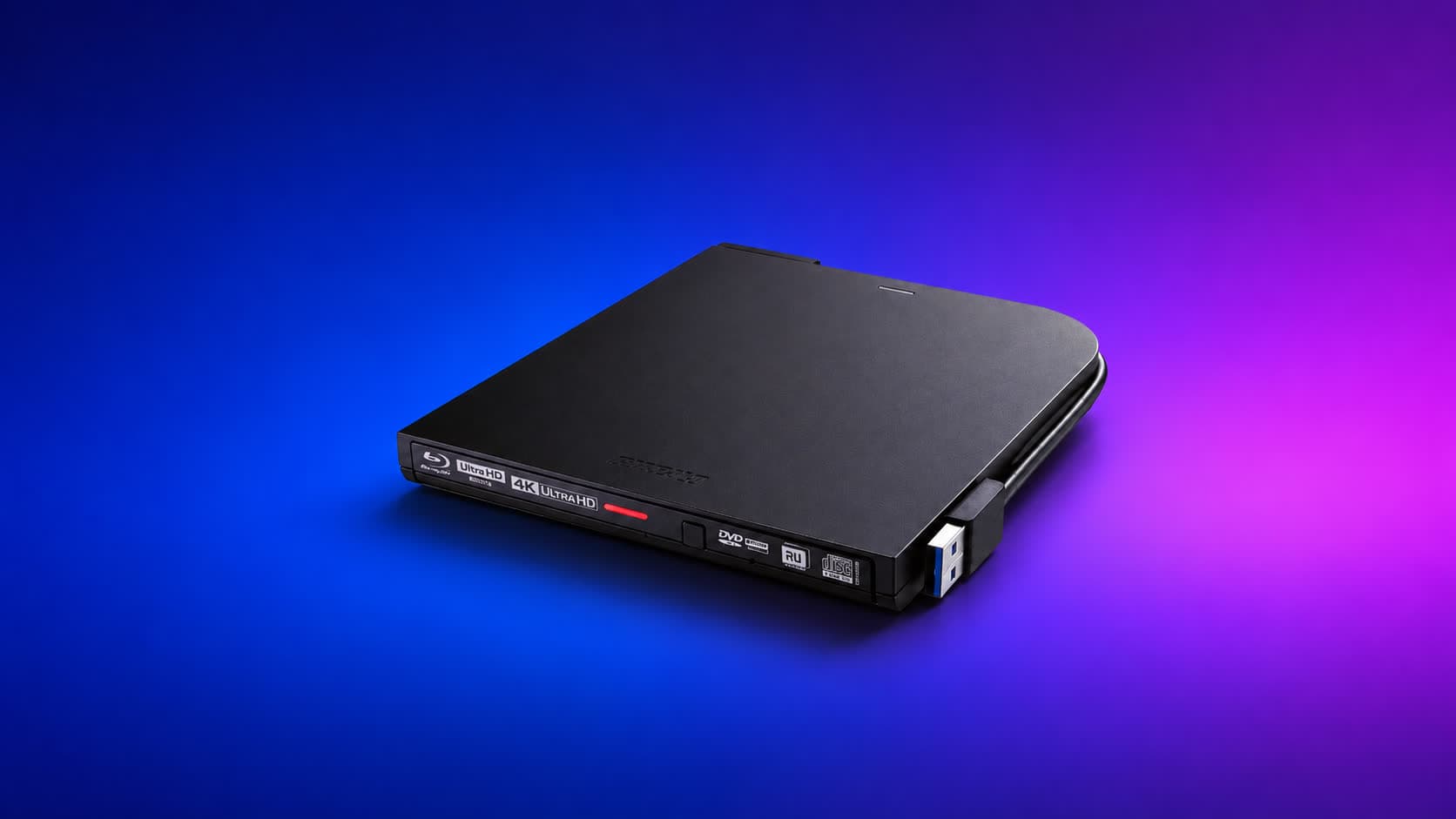
A Japanese electronics company has reversed its decision to exit the Blu-ray drive market after securing a new supply of components, but the reprieve comes with a steep price increase of up to 51%. Buffalo, previously planning to discontinue three portable USB-connected Blu-ray drive series, now says it will continue production after locking in parts. The cost of those parts, however, has forced a significant retail price jump.
From Exit to Reversal
In February, Buffalo announced it would withdraw its BRXLPT6U3E, BRXLPTV63B and BRXLPTWOU3 series of portable USB Blu-ray drives from sale by July. The company stated at the time that no replacements would be developed. The move reflected a broader industry shift away from optical media as streaming services and digital downloads replace physical discs.
Months later, the Japanese firm reversed course after successfully sourcing components. The decision keeps the three drive families on the market but under sharply different pricing conditions. Buffalo has not disclosed which specific parts were hardest to obtain, but the global semiconductor shortage and shrinking supply chain for optical drive components are likely contributors.
Price Hike Details
Retail prices for the affected Blu-ray drives have risen between 40% and 51%, depending on the model. The increases reflect higher procurement costs for materials and chips, according to Buffalo. The three affected product lines include:
All three remain available but at significantly higher price points than earlier this year. The increases may test consumer willingness to pay a premium for physical media drives.
Why This Matters
The reversal and price jump highlight the precarious state of the optical drive market. As streaming and digital downloads become the default for movies and games, demand for Blu-ray drives has shrunk to a niche audience of collectors, archivists and PC builders who need physical media. Buffalo, one of the last remaining Japanese manufacturers of consumer Blu-ray drives, faces a dwindling supply base for key components. If parts become harder or more expensive to source, other producers may follow Buffalo's original exit plan. Consumers who rely on optical drives may face a future of either higher prices or no products at all. The price hike also risks accelerating the transition away from physical media, as the cost of entry rises for new users.