Editor: Porcia Akua Holmes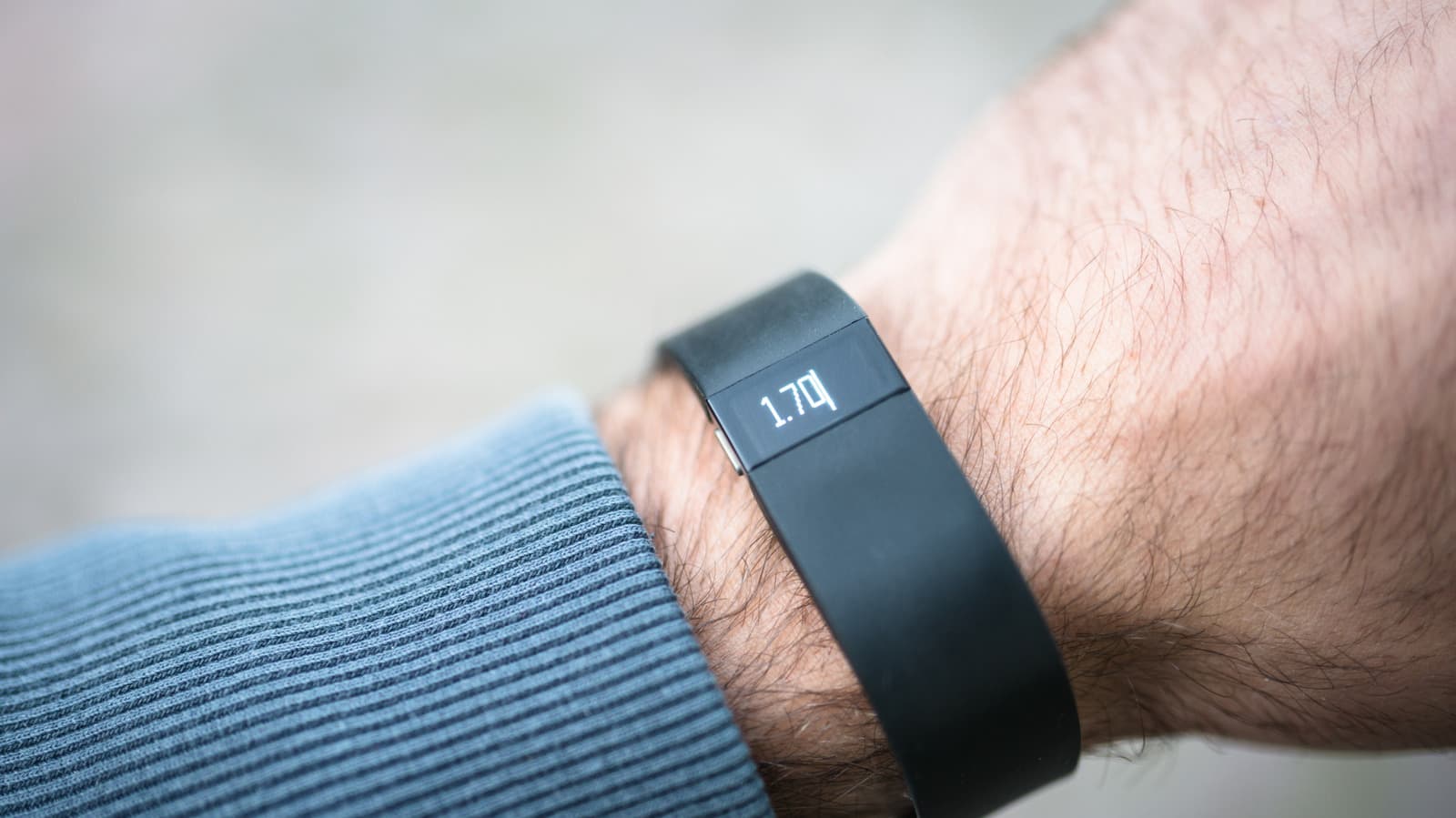
Battery life has emerged as the defining battlefield between Google's two wearable families. As the Pixel Watch and Fitbit devices continue to evolve under the same corporate umbrella, buyers increasingly face a simple question: which lasts longer? The answer, however, depends on how you use the watch and which model you choose.
Battery Life as a Deciding Factor
Smartwatch battery performance has become a top consideration for buyers who dislike daily charging. Fitbit devices have long held an edge, with models like the Versa and Charge series offering up to seven days of use. The Pixel Watch, meanwhile, generally lasts about 24 hours with the always-on display enabled. That difference matters for anyone who wants to track sleep without worrying about a dead battery the next morning.
Google has worked to improve efficiency on the Pixel Watch through software tuning and newer chip designs. The Pixel Watch 2, for example, introduced a more power-efficient processor that extends battery life slightly, though it still requires nightly charging for most users. Fitbit has also pushed updates that improve background tracking without draining the battery as quickly.
Brand Strategy and User Confusion
Maintaining two distinct wearable brands creates friction for consumers. Google's acquisition of Fitbit in 2021 was supposed to strengthen its health-tracking capabilities, yet the Pixel Watch line continues to target a different audience. Fitbit emphasizes fitness tracking and long battery life, while the Pixel Watch focuses on deeper Google integration and smartwatch features. That split forces buyers to weigh longevity against ecosystem fit.
The confusion grows when comparing prices. Fitbit devices generally cost less than the Pixel Watch, making them attractive for budget-conscious users who still want robust health sensors. But the Pixel Watch offers better app support and tighter ties to Google services such as Assistant and Maps. Battery life becomes the tiebreaker for many shoppers who value convenience over additional software features.
Why This Matters
The battery gap directly affects daily routines for millions of wearable users. Anyone who relies on sleep tracking or continuous heart monitoring may find a multi-day battery essential. Choosing a Pixel Watch means accepting a nightly charging ritual, while a Fitbit can last through a weekend trip without a charger. This practical difference influences long-term satisfaction and may steer customers toward one brand over the other. As Google continues to develop both lines, future models could further blur the line between endurance and capability, reshaping the wearable market for years to come.