Senior Editor: Alan Agbele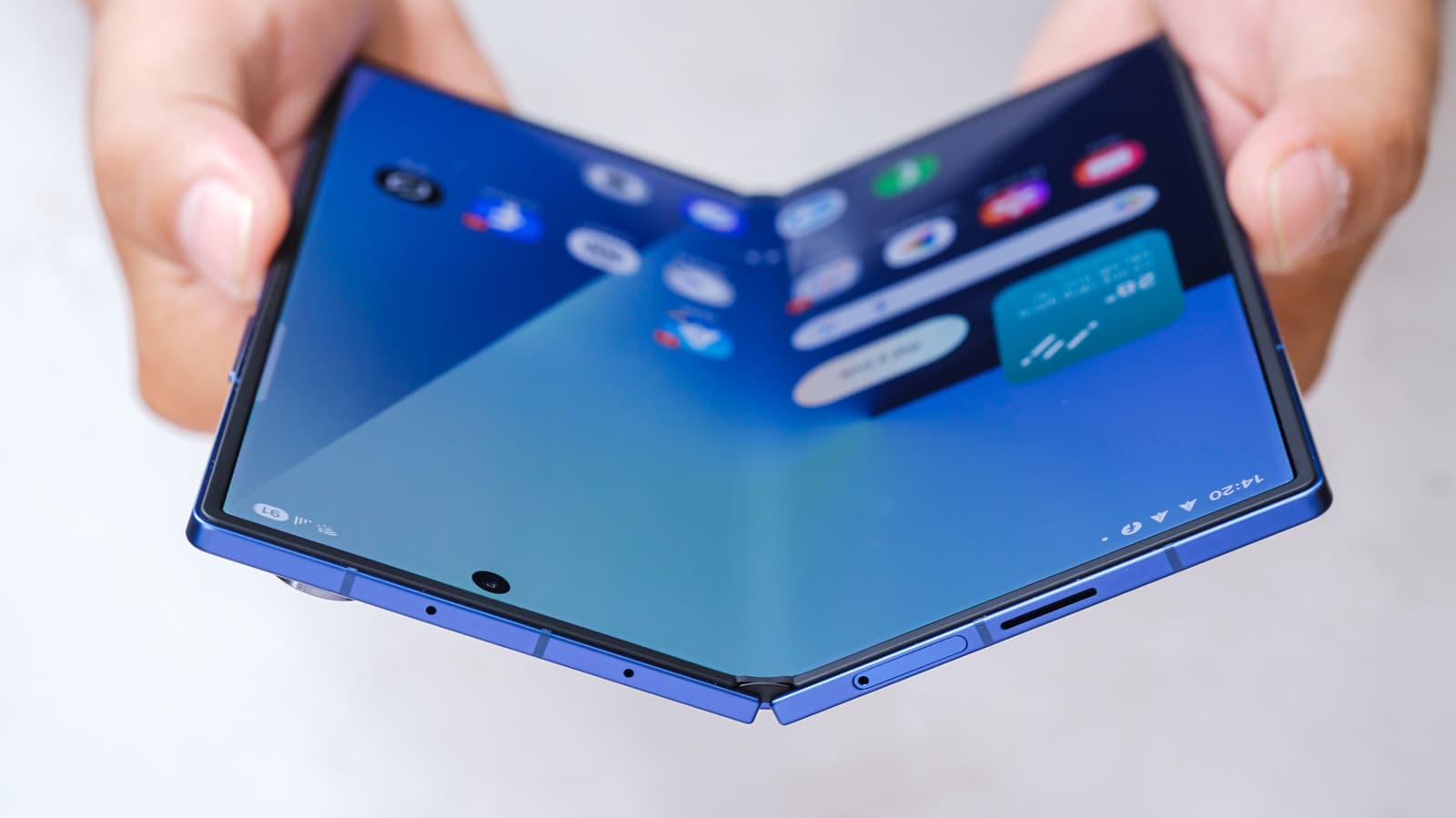
AMOLED displays deliver vivid colors and deep blacks in smartphones, tablets and smartwatches. Yet consumers shopping for a large television will find no AMOLED options on the market. The technology that powers premium mobile screens has never made the leap to home theater sizes.
Cost and Manufacturing Barriers
Producing an AMOLED panel at 55 inches or larger requires extremely precise deposition of organic compounds. The yield rates drop significantly as the glass substrate grows, driving per-unit costs well above those of competing technologies like OLED and QLED. TV manufacturers use AMOLED screens only in niche products such as high-end monitors and virtual reality headsets, where smaller sizes keep production viable.
Samsung, the leading supplier of small AMOLED panels, has repeatedly delayed plans for large-scale AMOLED TV production. Instead the company has focused on its QD-OLED and Neo QLED lines. LG Display, the dominant OLED TV panel maker, uses a different architecture known as WOLED that avoids the pixel-level transistor structure of AMOLED. The industry has effectively chosen a path that bypasses the direct AMOLED approach for living room sets.
Durability Problems and Burn-In Risk
AMOLED screens rely on organic light-emitting materials that degrade unevenly over time. Static elements such as news tickers, channel logos or video game HUDs can create permanent ghost images in a few thousand hours of use. This burn-in effect is less noticeable on a phone that users replace every two or three years but unacceptable on a television expected to last a decade.
TV manufacturers enforce strict lifetime requirements. An AMOLED panel that would survive in a portable device often fails to meet the reliability standards for a fixed home appliance. The combination of higher cost and shorter lifespan has kept the technology out of the mainstream TV market.
Why This Matters
For consumers, the absence of AMOLED means the most color-accurate and contrast-rich display on a phone cannot be matched on a TV screen at any price. Television buyers must choose between OLED (which uses a different manufacturing process) and QLED (which requires a backlight). Neither delivers the same per-pixel light control that AMOLED provides.
The situation also affects the broader display industry. Smartphone makers continue to push AMOLED into more budget devices, but without a TV market, the economies of scale remain limited. This slows investment in new fabrication methods that could eventually solve the cost and durability problems. As a result, technologies like microLED are receiving more attention as the next potential breakthrough for large screens.
What This Means for TV Buyers
Shoppers looking for the best picture quality today should focus on OLED models from LG and Sony or Samsung’s QD-OLED lineup. These sets deliver excellent contrast and color without the lifespan risks of AMOLED. The technology is not coming to the TV aisle anytime soon. Industry roadmaps point to microLED as the long-term successor, but that remains years away from affordable pricing. For now, AMOLED stays in phones and laptops while televisions rely on a different set of display innovations.