Editor: Porcia Akua Holmes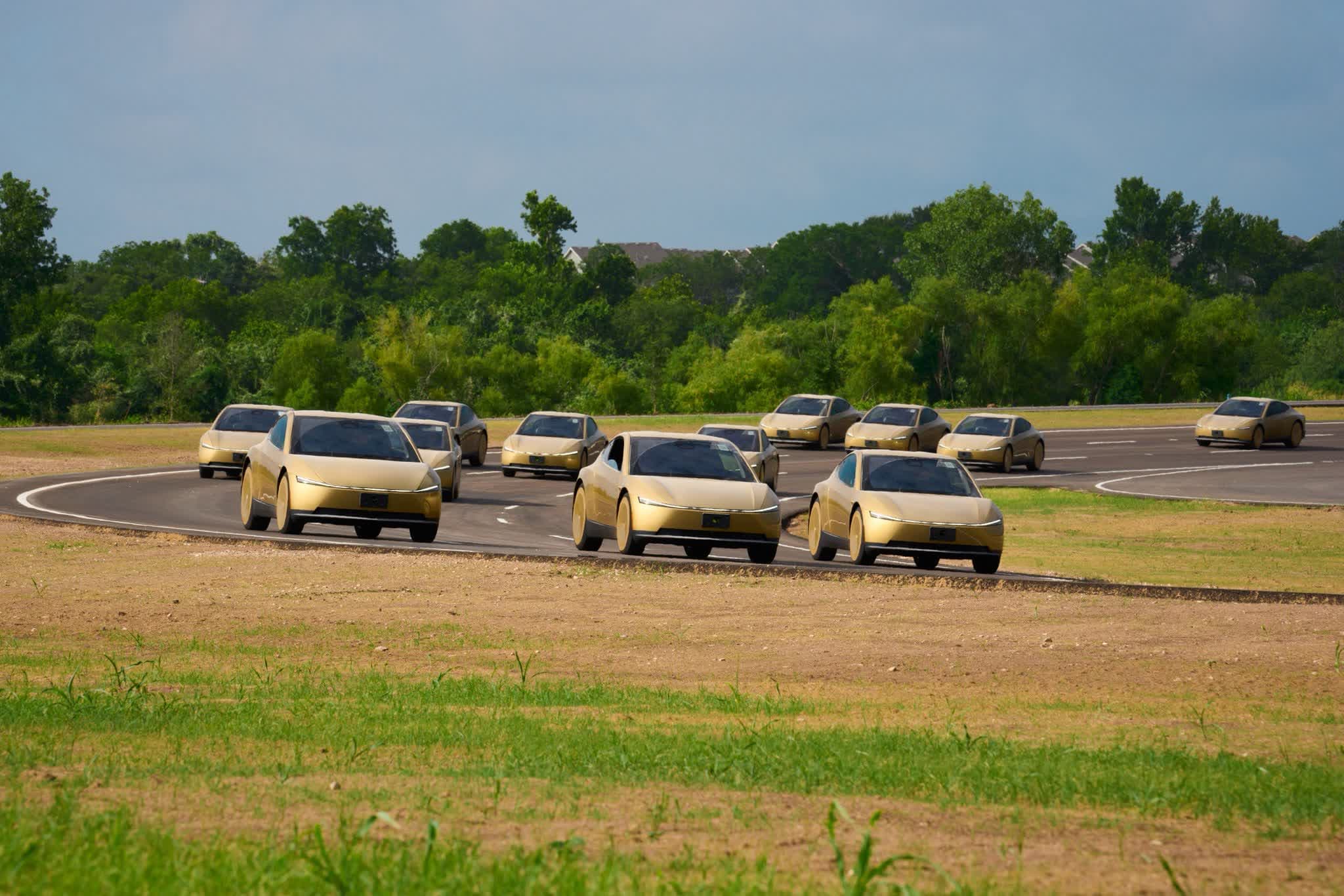
Elon Musk has confirmed that every Tesla vehicle built from now on will include built-in Starlink satellite internet connectivity. The first model to receive the feature will be the Cybercab, Tesla's upcoming robotaxi. The Cybercab will use Starlink's V5 dish, a newly launched component rated for download speeds up to 375 Mbps.
Starlink Integration Details
Musk's announcement followed an earlier preview at Tesla's showroom in San Jose, where the company demonstrated the planned Starlink capability. The V5 dish represents a new generation of satellite hardware designed for mobile use. Tesla has not yet disclosed whether existing Tesla owners will be able to retrofit their vehicles with Starlink.
Implications for Tesla Ownership
Integrating Starlink into every Tesla could fundamentally change how owners use their vehicles. Instead of relying on cellular data plans, Tesla drivers might access the internet almost anywhere, from rural highways to remote parking lots. This could also support Tesla's goal of fully autonomous driving, as the Cybercab will need constant connectivity for navigation, fleet management and passenger services.
Musk's vision, however, raises questions about cost and subscription models. Starlink hardware and service currently require a monthly fee. Tesla has not announced pricing for the integrated service, but it may bundle it into the vehicle's purchase price or offer it as a paid add-on.
Why This Matters
This move positions Tesla as a pioneer in vehicle-integrated satellite connectivity, potentially setting a standard for the industry. If successful, it could pressure automakers to partner with satellite internet providers or develop their own solutions. For consumers, the shift means fewer dead zones and more consistent connectivity, a key enabler for future autonomous fleets. The Cybercab, as the first vehicle to carry the feature, will serve as a test case for the integration's reliability and user experience. The decision also tightens the link between Musk's two companies, SpaceX and Tesla, raising questions about cross-subsidization and competitive fairness in the automotive and telecom sectors.