Editor: Porcia Akua Holmes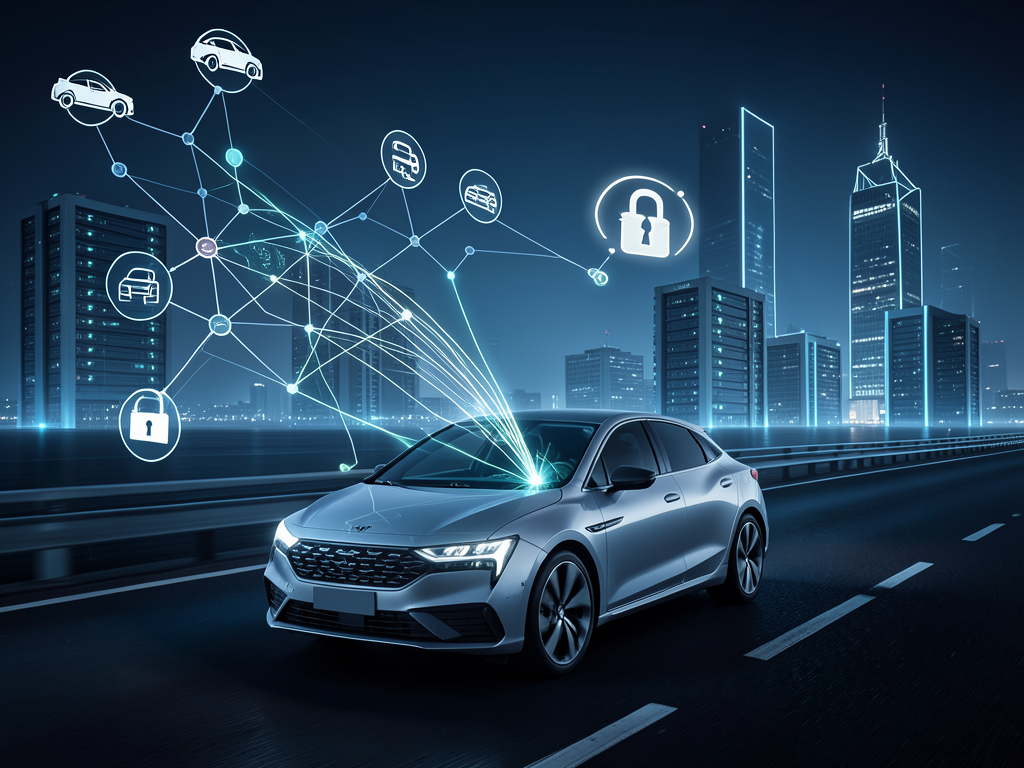
Modern cars have become smartphones on wheels, collecting a constant stream of data about drivers, passengers and their surroundings. A growing body of reporting now exposes exactly who is listening to that data and how it is being used, raising urgent questions about consumer privacy in an era of increasingly connected vehicles.
The Data Collection Ecosystem
Today's vehicles are equipped with sensors, microphones, cameras and telematics units that transmit data to the manufacturer in real time. The scale of collection goes far beyond navigation assistance. Systems can track acceleration patterns, braking force, seatbelt usage and even the weight of passengers to determine occupancy.
Automakers such as Ford, General Motors and Tesla have all faced scrutiny over their data practices. Many require drivers to accept broad data-sharing terms to enable basic features like remote start or emergency response.
Who Has Access
The data does not stay inside the car. Automakers routinely share it with third parties, often through opaque data partnerships. Insurance companies use telematics data to adjust premiums, sometimes raising rates based on driving behavior without the policyholder's full awareness.
Law enforcement agencies also benefit. Police have obtained vehicle location records from manufacturers to track suspects, often without a warrant. Consumer reports have documented cases where data from General Motors' OnStar system was handed over to authorities in response to civil subpoenas.
Advertisers represent another growing market. In-car infotainment systems running Android Automotive or embedded software from companies like Harman enable targeted ads based on driver preferences and location history.
Why This Matters
Consumers who purchase a connected vehicle may unknowingly surrender a degree of privacy that exceeds what they give up on their smartphones. Unlike phones, cars are not typically covered by comprehensive privacy laws like those proposed for mobile apps. The absence of clear federal regulation means automakers and data brokers operate with minimal oversight.
This gap creates a tangible risk for millions of drivers. Data sold to insurers can lead to higher premiums for safe drivers based on a single aggressive stop. Location histories sold to data brokers can expose sensitive visits to medical clinics or political events. Without stronger consumer protections, the convenience of connected car features comes at a direct cost to personal privacy.
Regulatory Response
Lawmakers are beginning to act. Several U.S. states have introduced bills requiring automakers to disclose data collection practices and obtain explicit consent before sharing data with third parties. The Federal Trade Commission has signaled increased enforcement against deceptive data practices in the auto industry.
In Europe, the General Data Protection Regulation already imposes strict limits on what car companies can collect and how long they can retain it. Similar frameworks in the United States remain fragmented, leaving many consumers unprotected.
Until comprehensive laws catch up, drivers should review their vehicle's privacy policies, disable data sharing where possible and understand that every trip may generate a digital fingerprint available to companies they never agreed to deal with.