Senior Editor: Alan Agbele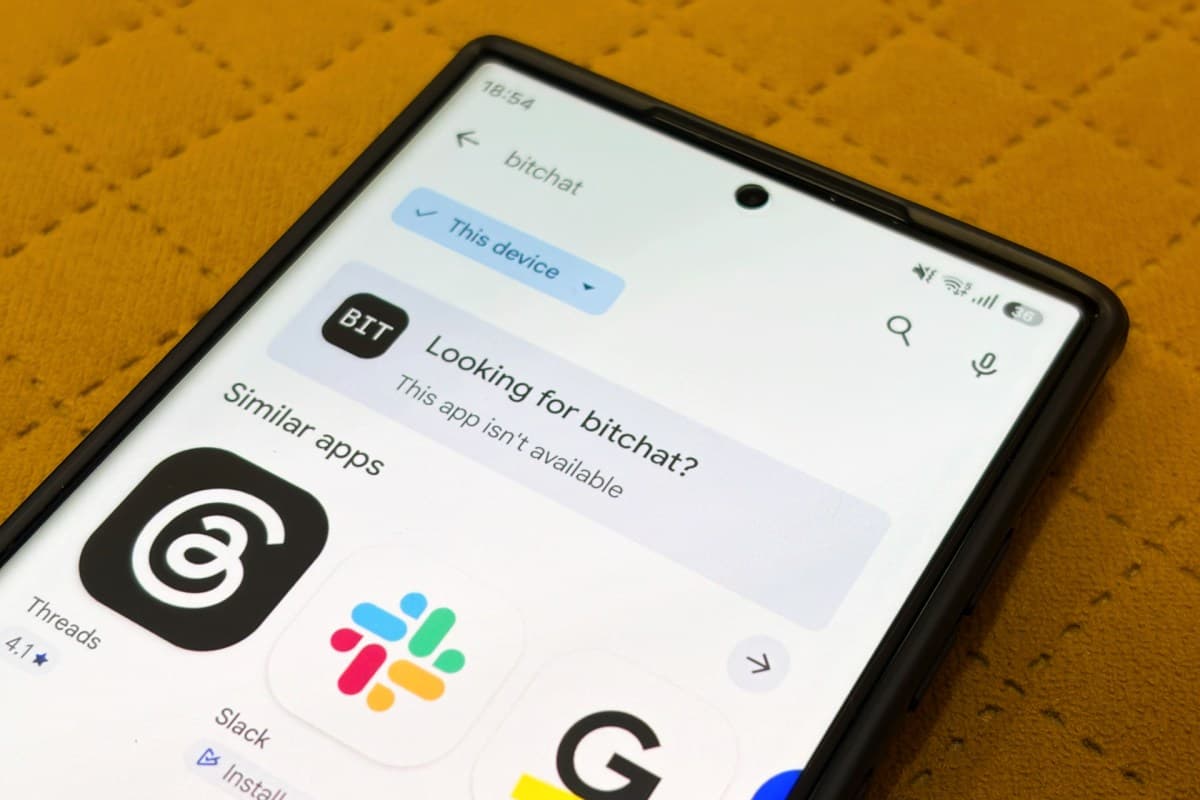
India's government has ordered the removal of Bitchat, a decentralized social media app backed by Jack Dorsey, from major app stores. The app is no longer available for download in the country, marking a significant escalation in India's ongoing scrutiny of foreign-linked platforms.
The Government Order and App Store Removal
India's Ministry of Electronics and Information Technology issued the directive to Apple and Google, requiring Bitchat to be removed from their respective app stores. Both companies complied, making the app unavailable for new installs across the country. The specific legal basis for the order has not been disclosed publicly, but it falls under Section 69A of the IT Act, which allows the government to block public access to content deemed a threat to national security.
Jack Dorsey's Role and Decentralized Social Media
Jack Dorsey, co-founder of Twitter and former CEO, has been an outspoken advocate for decentralized social networks. He provided early funding for Bitchat through his philanthropic initiative, #startsmall, aiming to support platforms that resist centralized control. Bitchat uses a peer-to-peer architecture that limits the platform's ability to moderate content, a feature that India's regulators view as problematic. This tension between decentralization and government oversight is at the heart of the takedown.
Broader Context of Indian Tech Regulation
India has increasingly tightened its grip on foreign digital platforms. In recent years, the government has ordered the removal of apps linked to China, including TikTok, and demanded compliance with data localization and content moderation rules. Bitchat's removal follows a pattern where decentralized or encrypted apps face heightened scrutiny. The Indian government has argued that such platforms can be exploited for misinformation, hate speech, and illegal activities, creating a clash between user privacy and state control.
Why This Matters
The takedown of Bitchat in India signals a growing challenge for decentralized social media platforms operating in restrictive regulatory environments. For Jack Dorsey and similar advocates, this event tests whether decentralized networks can withstand government pressure. For Indian users, it reduces access to privacy-focused alternatives at a time when surveillance concerns are rising. Globally, the move may embolden other governments to take similar action, reshaping the future of decentralized communication tools. The outcome of this case could set a precedent for how nations balance free expression with security in the digital age.