Senior Editor: Alan Agbele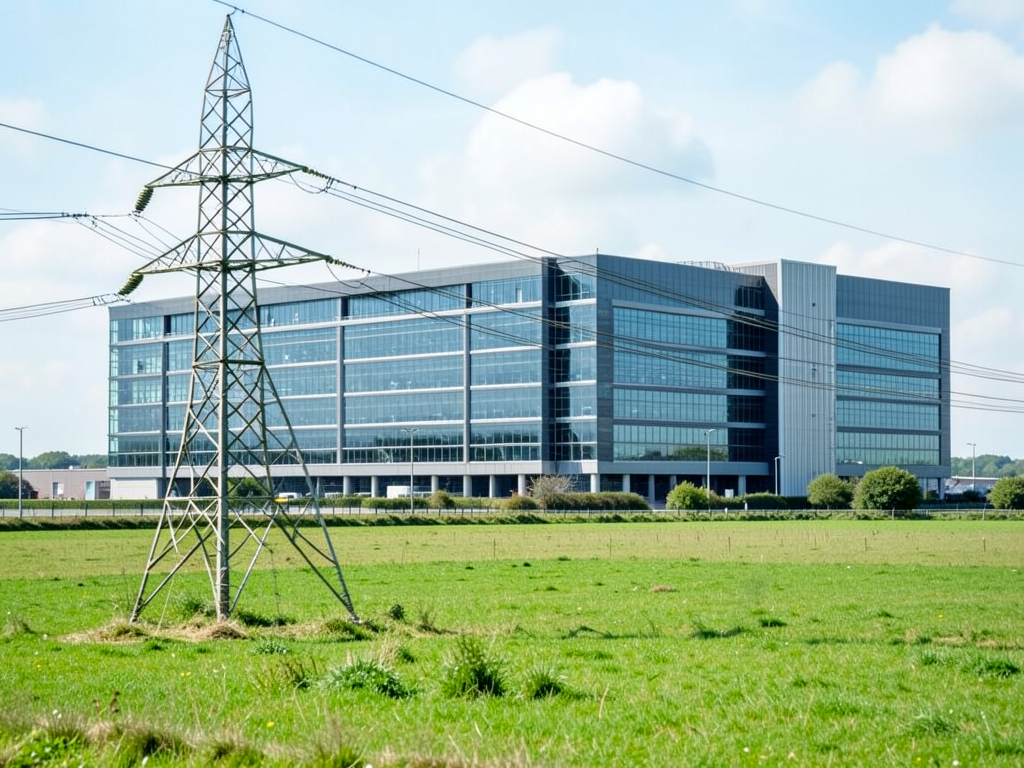
A data center project in Loughton, Essex, promoted as the UK's largest AI supercomputer, will miss its 2027 opening deadline because the local power grid cannot deliver enough electricity. The facility, built by Nscale with backing from Nvidia, requires 90 megawatts of power, roughly the same amount needed for 315,000 homes. UK Power Networks has informed Nscale that the grid will not be able to support that demand until the early 2030s.
Power Grid Bottlenecks Stall AI Ambitions
The Loughton data center's power needs have collided with a wider UK energy crunch. Ofgem reported in June 2026 that 315 data centers were awaiting grid connections, representing 73GW of demand. The country's entire generation capacity stands at 45GW, leaving a 28GW shortfall. National Grid does not comment on individual cases, but a representative told the Guardian it is working with distribution operators to accelerate connections where possible.
Nscale's First Major Project Hits Hurdles
The Nscale, a UK startup preparing for a £26 billion public listing, counts Nvidia among its investors. The Neocloud Nscale was cited by former Prime Minister Keir Starmer as a key example of the UK's AI strategy. Yet earlier this year the Loughton site was still operating as a scaffolding yard. The grid, however, cannot deliver the required 90MW, forcing years of delay. Nscale has not publicly revised its timeline, but the power constraints leave its flagship project in limbo.
Why This Matters
The Loughton delay is not an isolated problem. It signals a fundamental mismatch between the UK's AI investment ambitions and the energy infrastructure needed to support them. Without faster grid upgrades or alternative power sources, scores of planned data centers will face similar setbacks. That could slow AI research, cloud services and economic growth tied to the sector. For investors in Nscale and other neocloud providers, the risk of drawn-out delays is now a central factor in project viability.