Editor: Porcia Akua Holmes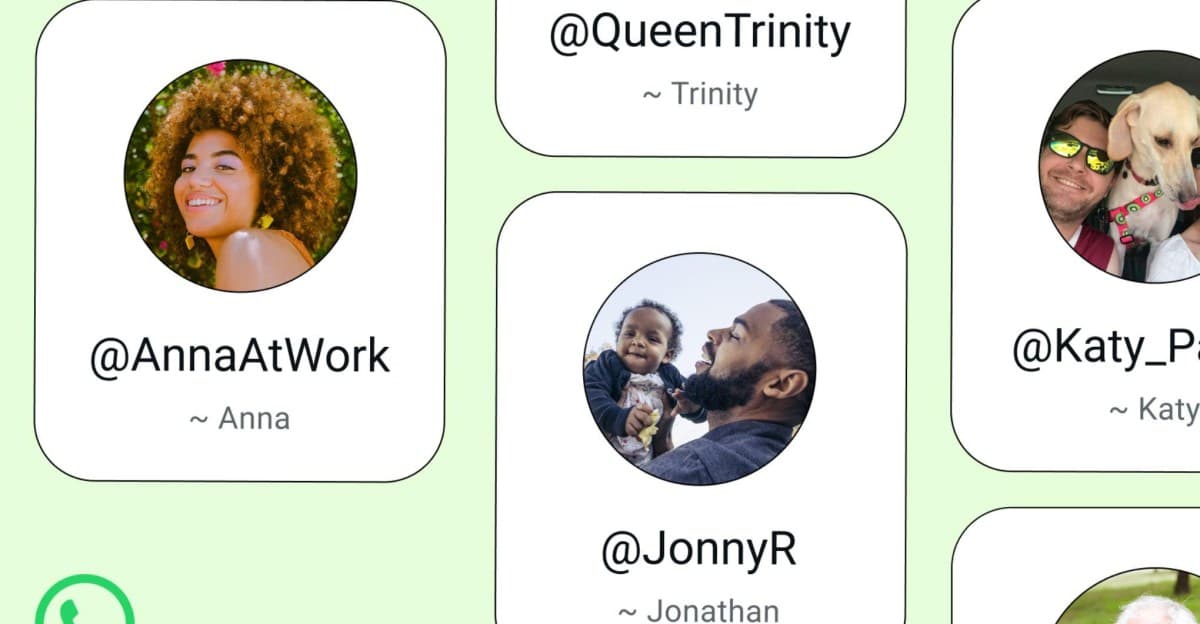
WhatsApp is rolling out a long-awaited privacy feature that lets users connect without exchanging phone numbers. The messaging platform, owned by Meta, announced it will introduce usernames later this year, with reservations opening this week.
How Username Reservations Work
Starting this week, WhatsApp users can reserve a unique handle through the app's settings menu. This early access period gives people time to claim a preferred name before the feature goes live for everyone. Meta has not specified how long the reservation window will last or whether handles will be released if unused after a certain period.
A Shift Toward Greater Privacy
The move addresses one of the most persistent criticisms of WhatsApp since its acquisition by Facebook in 2014. Unlike competitors such as Telegram or Signal, which have long supported usernames, WhatsApp has required sharing a phone number to initiate any conversation. That requirement created friction for users who wanted to maintain separation between personal and professional contacts or avoid exposing their number to strangers in group chats.
The addition brings WhatsApp closer to parity with these rivals on privacy controls while retaining its massive user base of more than two billion people worldwide.
Why This Matters
The introduction of usernames fundamentally changes how people interact on WhatsApp. For journalists, activists and professionals who rely on the platform for sensitive communications, concealing a phone number reduces exposure to harassment and surveillance risks. For everyday users, it means joining group conversations or contacting businesses without handing out personal digits that could be sold or leaked.
The timing also matters. Regulators in Europe and elsewhere are pushing messaging platforms toward stronger privacy defaults under laws like the Digital Markets Act. By adding usernames ahead of regulatory deadlines, Meta positions itself proactively rather than reactively.