Editor: Porcia Akua Holmes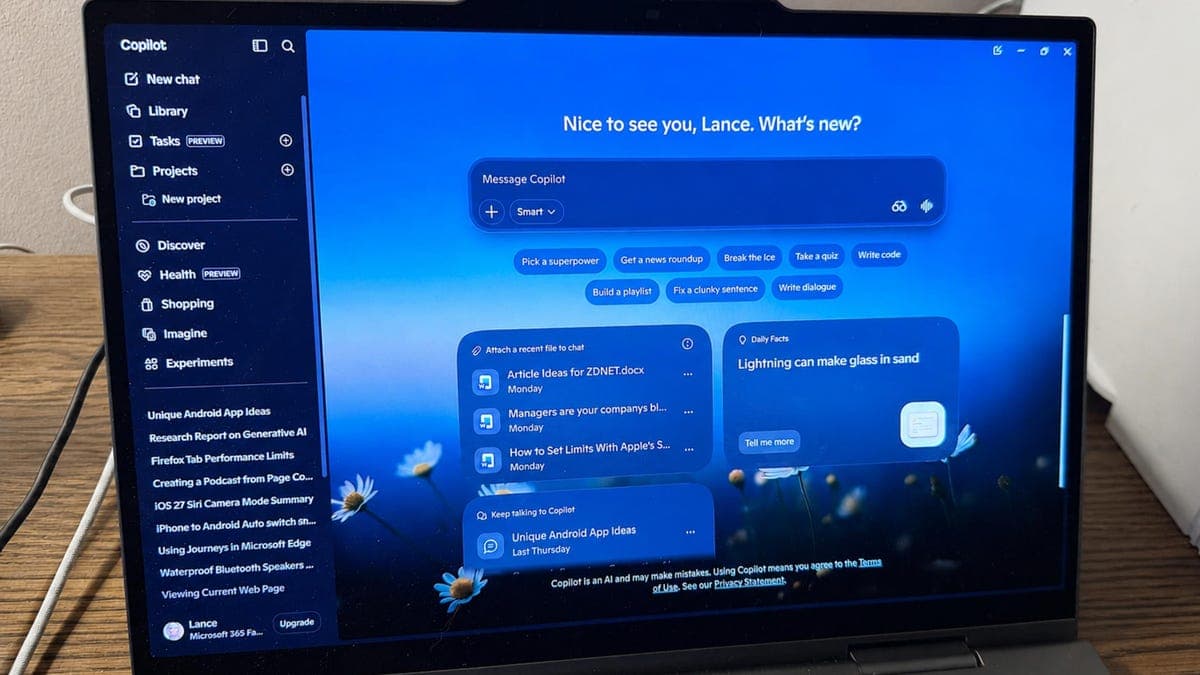
Microsoft is consolidating its artificial intelligence assistant lineup, merging the standalone Copilot app with Copilot for Microsoft 365 into a single unified platform. The move addresses long-standing confusion among users who juggled two separate applications. Alongside the merger, Microsoft is retiring three existing features as part of the consolidation.
The Consolidation Strategy
Microsoft's decision reflects a broader trend among tech giants to simplify AI product offerings. The separate branding of Copilot and Copilot for Microsoft 365 created friction for businesses and individual users alike. Enterprise customers often needed to switch contexts between the two tools. The unified app removes that hurdle. All Copilot capabilities will live under one roof, though pricing tiers may still differentiate free and premium features.
Features Being Retired
As part of the unification, Microsoft is cutting three features. The company has not specified which ones, but analysts expect vocal shortcuts, standalone mobile widgets and some integration plug-ins to be removed. These features overlapped with the new app or saw low usage. Users relying on any of these should prepare alternatives before the shutdown.
Why This Matters
The integration directly affects millions of Microsoft 365 subscribers who had to navigate two different AI assistants. For businesses, this means less training overhead and more consistent AI behavior across tasks. Consumers lose some specialized features but gain a simpler experience. Microsoft also strengthens its position against competitors like Google and OpenAI by offering a cleaner, unified product narrative. The real impact will be measured in how smoothly Microsoft manages the transition without disrupting workflows.
What Lieshead
Migrates gradually rolling out the unified Copilot app over the next few months. Existing users of either version will receive migration prompts. Microsoft advises checking feature documentation for updates on which capabilities remain. The company sees this consolidation as a step toward making AI an invisible utility rather than a set of fragmented tools.