Senior Editor: Alan Agbele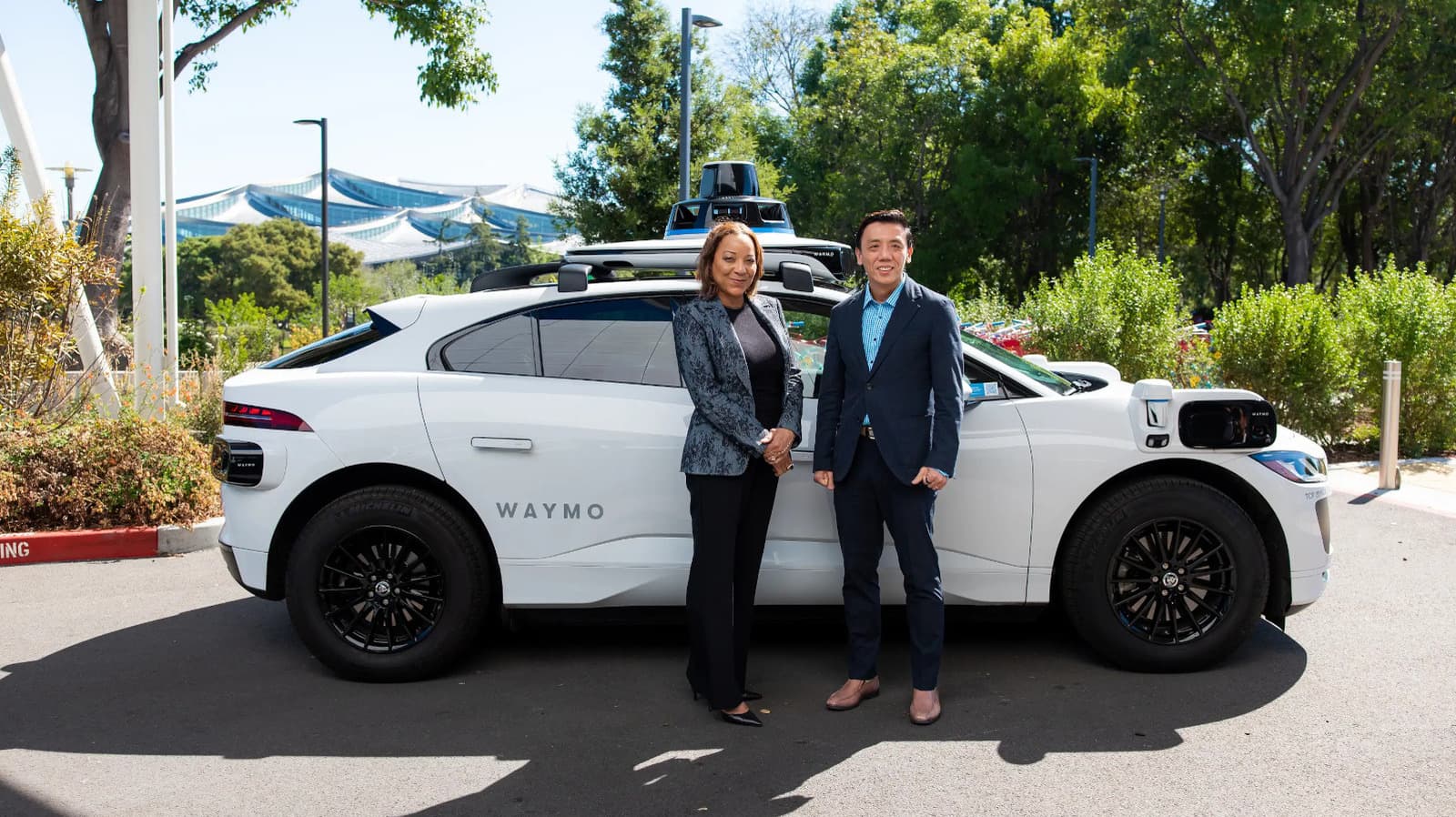
Waymo has chosen Singapore as its first international operating location, marking a significant step outside the United States for the self-driving technology giant. The announcement places the Alphabet-owned company squarely in one of Asia's most advanced smart-city environments.
Strategic Rationale Behind Waymo's Move
Singapore offers Waymo a tightly regulated yet innovation-friendly environment. The country's Land Transport Authority has granted multiple pilot licenses for autonomous shuttles and taxis. For Waymo, entering this market provides real-world experience in left-hand traffic and tropical weather conditions constraints that differ sharply from those in the arid U.S. Southwest.
The decision also aligns with broader corporate strategy. Parent company Alphabet has pushed its subsidiaries to find revenue streams beyond advertising. A successful launch in Singapore could serve as a template for further international rollouts across Southeast Asia and the Middle East.
Technical and Regulatory Hurdles Ahead
The Singapore Waymo team began hiring local engineers earlier this year. Company executives have indicated that data collected during early tests will help refine software before any commercial rollout.
Why This Matters
Waymo's expansion into Singapore raises the stakes for the autonomous vehicle industry worldwide. If the company succeeds in this compact, highly regulated city-state, it will validate that its technology can transfer reliably to non-American settings. Failure, on the other hand, could slow investor interest elsewhere and reinforce skepticism about self-driving timelines. Local ride-hailing services such as Grab will also face a potent new competitor backed by deep resources.
For consumers, the immediate benefit remains distant. Still, every mile driven by Waymo vehicles in Singapore feeds data that improves safety and convenience for future users everywhere.
What Comes Next
Waymo expects to begin low-speed testing on designated roads within six months. No firm date for public rides has been given. Meanwhile, regulators in other Asian countries are watching closely. Japan and South Korea have both expressed interest in hosting similar pilot programs. Whether Waymo moves quickly past Singapore depends heavily on how smoothly the initial phase goes.