Editor: Porcia Akua Holmes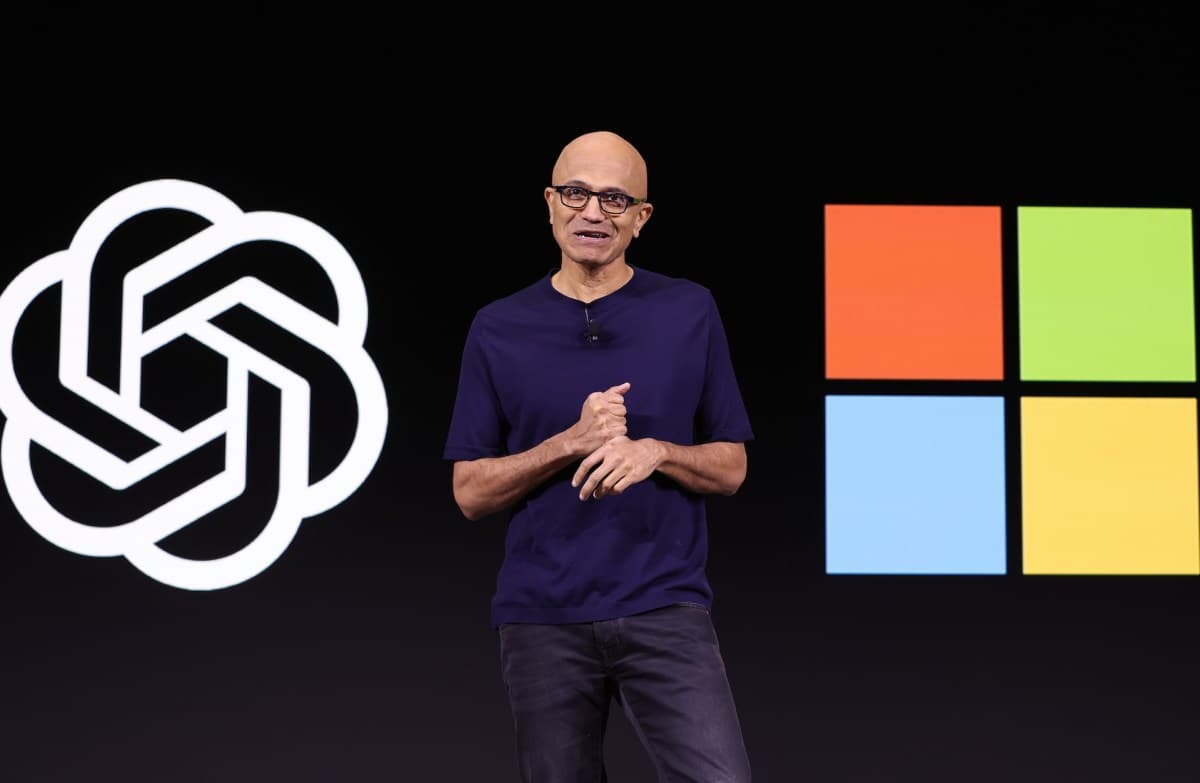
A senior Microsoft executive has described the practice of scraping publicly available content to train artificial intelligence models as “the largest theft of labor in human history,” a strong condemnation that comes from inside one of the biggest beneficiaries of AI technology. The remark, made during an internal meeting and later reported by attendees, highlights growing unease even among those building the systems.
A Rare Admission From Inside the Industry
The executive’s blunt language stands in stark contrast to the carefully crafted defenses typically offered by tech leaders. Many companies including Microsoft have argued that scraping publicly available data falls under fair use or that existing laws simply fail to address modern AI practices. By calling it outright theft, the Microsoft insider directly challenged that narrative, implicitly acknowledging that creators whose works feed large language models receive nothing in return for their contributions.
Key Concerns Raised by Critics
Critics of unlicensed data scraping have long warned about the consequences for creative professionals and the broader information ecosystem. Their arguments center on several issues.
Why This Matters
This internal admission arrives as regulators worldwide scrutinize how AI training data is collected. If similar views gain traction within other tech firms, the industry could face accelerated demands for transparency, opt-in consent and compensation frameworks. For Microsoft, the statement underscores a tension between its role as a leading AI investor and its responsibility toward the creators who supply raw material for its products. Future policy decisions around data scraping will have direct consequences for everyone who publishes content online, as well as for the business models of every company building foundation models.