Senior Editor: Alan Agbele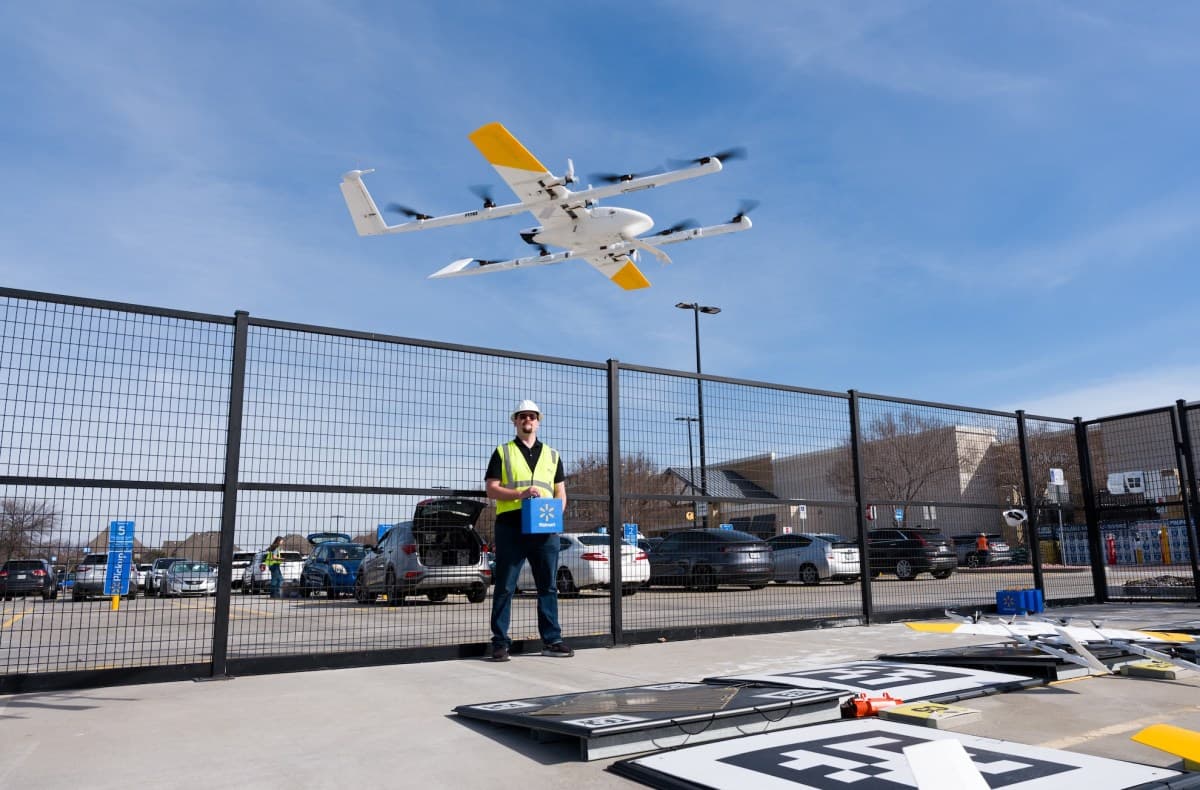
Drone delivery is no longer a futuristic experiment. Wing, the Alphabet-owned company, is bringing its aerial logistics to seven more U.S. cities through an expanded partnership with Walmart.
The expansion marks one of the largest single rollouts of commercial drone delivery in the United States. It transforms what was once a niche pilot program into a service available to millions of households.
The Scope of the Expansion
Wing will begin operations in new markets across Texas, Arizona and Florida among other states. Customers near participating Walmart stores can order select items for delivery by drone within minutes.
The service covers thousands of products including groceries, over-the-counter medications and household essentials. Deliveries typically arrive within 30 minutes of ordering.
This is not Wing's first partnership with Walmart. The two companies have been testing drone deliveries since 2021 in limited areas such as Dallas-Fort Worth.
Why Walmart Is Betting on Drones
Walmart has aggressively pursued automation across its supply chain from autonomous forklifts to self-driving trucks. Drone delivery fits into that broader strategy of reducing last-mile costs while meeting customer expectations for speed.
For Walmart the partnership offers a way to compete with Amazon's Prime Air service without building its own drone fleet from scratch. By leveraging Wing's existing technology and regulatory approvals Walmart can scale faster than building internally.
Wing benefits from access to Walmart's massive distribution network and customer base giving it real-world data on consumer behavior around instant delivery.
What This Means for Consumers
For shoppers in these new markets the change will be immediate but limited at first. Drone delivery will only be available from specific stores during certain hours and for packages under five pounds.
Still the expansion normalizes the idea of drones as part of daily life rather than a curiosity seen at tech conferences. It also puts pressure on other retailers and logistics companies to accelerate their own drone programs or risk falling behind.
Why This Matters
This expansion directly affects millions of consumers who now have access to near-instant delivery of essential goods without leaving home. It also reshapes the competitive dynamics of last-mile logistics where speed has become the primary battleground.
Regulators at the Federal Aviation Administration have approved Wing's operations under strict safety guidelines but the company has proven it can operate reliably in suburban environments alongside manned aircraft.
The broader implication is clear: drone delivery is moving from pilot projects into mainstream commerce faster than many analysts predicted.