Senior Editor: Alan Agbele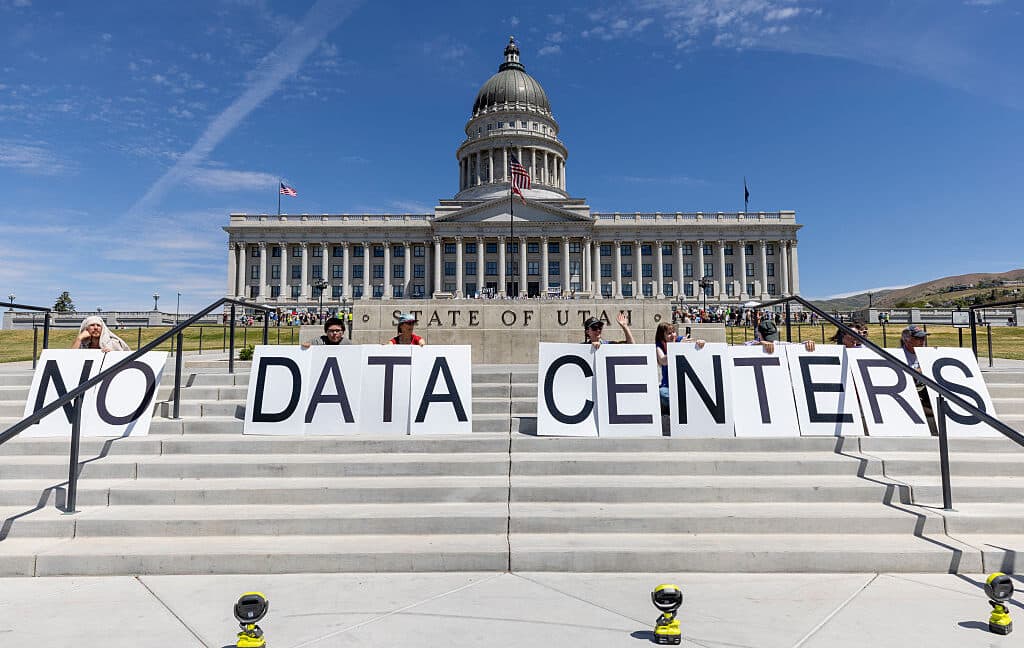
Residents in Box Elder County, Utah, fought back against a data center project that would have rivaled the size of Manhattan. Their victory? A 50% reduction in the project's scale before construction even began.
The Stratos data center, backed by venture capitalist and Shark Tank investor Kevin O'Leary, was originally designed to span multiple sites across the county. Community members raised alarms over water consumption, potential harm to the Great Salt Lake, rising electricity costs and threats to local wildlife.
The Water Fight
The core issue was water. The project required the transfer of 1,900 acre-feet of water from a ranch to the hyperscale facility. Residents paid a $15 fee just to register comments opposing the transfer. Many worried that drawing that much water would drain local resources and further stress the already vulnerable Great Salt Lake.
“We pissed off a lot of people,” O'Leary told a local ABC affiliate. He acknowledged that the company failed to communicate openly with state officials and the community from the start. “I regret not working with state officials to be more transparent about the project from the beginning,” he said.
A Developer’s Retreat
Faced with sustained opposition, O'Leary Digital slashed the project size by half. The downsizing represents a significant win for grassroots activism in a region where large-scale tech infrastructure projects often move forward with minimal public pushback.
Local residents did not just complain. They organized, paid fees and showed up to hearings. Their efforts forced a developer to change course before a single shovel hit the ground.
Why This Matters
This case sets a precedent for communities facing similar data center proposals nationwide. As demand for cloud computing and AI explodes, data centers consume vast amounts of water and electricity. Utah’s arid climate makes those resources especially precious. If residents in Box Elder County can halt a project this large, other communities may find they have more leverage than they thought.
The episode also highlights a growing tension between tech growth and environmental stewardship. Investors and developers can no longer assume they can build without addressing local concerns. Transparency and early consultation are no longer optional. They are survival strategies.